

October 25, 2026

* Stop Guessing, Start Testing: How Genetic Diets Work

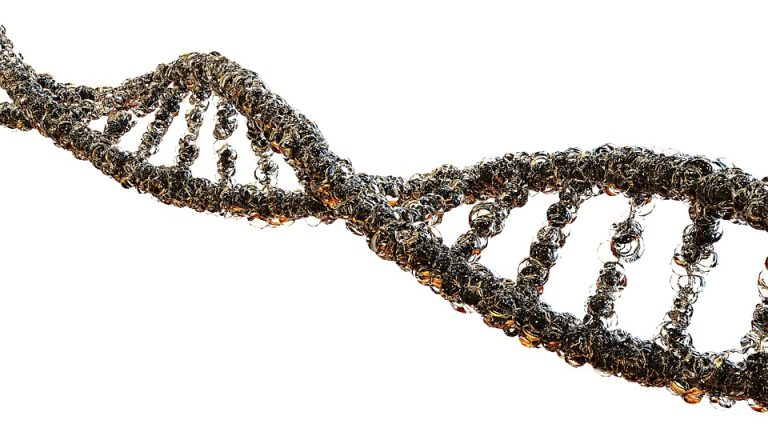
If you have ever stared at an architectural blueprint, you know it is just a set of instructions on paper. By itself, it cannot build a house, turn on the lights, or paint the walls. It requires workers, electricians, and carpenters to translate those 2D lines into a 3D structure. Your body operates in a remarkably similar fashion. The master blueprint is your DNA, safely locked away in the command center of nearly every cell in your body. But DNA does not do the heavy lifting on its own. It relies on a multi-step molecular assembly line to turn genetic code into functional flesh, bone, and enzymes. Understanding how this biological translation works is one of the most empowering steps you can take toward mastering your personal health. Let's break down the mechanics of genetics, explore how your biological instructions are read, and see why this microscopic choreography matters for your day-to-day wellness. The Master Library: Understanding Your Genome To appreciate how your body functions, imagine every cell in your body contains a massive, 46-volume encyclopedia set. This set is your genome. The Volumes: These are your chromosomes, tightly coiled packages of DNA. You inherited 23 volumes from your biological mother and 23 from your biological father. The Sentences: These are your genes. Scientists estimate humans have roughly 20,000 to 25,000 protein-coding genes. Each gene is a specific recipe for a particular job in the body—such as how to make insulin, how to construct collagen for your skin, or how …


genes and nutrition
October 25, 2026

Food Allergy vs. Food Intolerance: How to Tell the Difference

Dietary sugar transforms into an unexpected source of distress for many individuals who experience post-meal bloating, cramping, or irregular bowel habits. While table sugar (sucrose) and lactose often receive the most attention in discussions about digestive health, another naturally occurring sugar frequently flies under the radar: fructose. When the small intestine struggles to efficiently absorb this simple fruit sugar, a condition known as fructose malabsorption can occur. Unlike a true food allergy that triggers an immune system response, fructose malabsorption is a digestive efficiency issue. Unabsorbed fructose travels further down the gastrointestinal tract, where resident gut bacteria ferment it, leading to uncomfortable gas and fluid shifts. Understanding how your digestive system handles specific carbohydrates can help you reclaim mealtime comfort without resorting to unnecessarily restrictive diets. What Is Fructose Malabsorption? Fructose is a monosaccharide, or simple sugar, found naturally in fruits, honey, root vegetables, and sweeteners like high-fructose corn syrup (HFCS). In a normally functioning digestive tract, specialized transport proteins—primarily one called GLUT5—help move fructose across the lining of the small intestine and into the bloodstream. In people with fructose malabsorption, these transport mechanisms operate less efficiently. Because the small intestine can only process a limited amount of fructose at a time, any excess sugar spills over into the large intestine (colon). Here, the normal gut microbiome rapidly ferments the unabsorbed carbohydrates. This fermentation process produces hydrogen and methane gases, along with short-chain fatty acids, which draw extra water into the bowel. The resulting gas buildup and fluid shifts explain …

food intolerance symptoms
October 25, 2026

Action-Oriented & Practical (Best for How-Tos & Guides)

Have you ever crawled into bed exhausted, only to find your brain replaying work emails, scheduling tomorrow’s errands, and analyzing a conversation from three years ago? You are far from alone. In our hyper-connected culture, the boundary between "doing" and "resting" has eroded, leaving many of us chronically fatigued yet wired come nighttime. True restorative sleep doesn't happen the moment your head hits the pillow. It is the final chapter of an intentional transition—an evening routine reset. By designing a predictable wind-down sequence, you can signal to your nervous system that it is safe to shift out of "fight or flight" mode and into parasympathetic rest. Here is how to construct a practical, personalized evening routine that helps you quiet mental noise, relax physical tension, and set the stage for deep, uninterrupted sleep. 1. The Digital Sunset: Why You Need a Screen Buffer The glowing rectangle in your hand is one of the greatest disruptors of modern biology. Smartphones, tablets, and laptops emit blue light, which tricks your pineal gland into halting melatonin production—the hormone responsible for regulating your sleep-wake cycle. Beyond biology, there is a psychological toll. Scrolling through news feeds, social media, or late-night work messages floods your brain with micro-stressors and dopamine hits, keeping your mind alert when it should be decelerating. The Fix: Implement a "digital sunset" 45 to 60 minutes before your target bedtime. Put your phone on "Do Not Disturb," dock it in another room, and switch to analog entertainment. Grab a physical book, …

healthy daily routine
Nutrition & Healthy Eating

Practical insights, expert guidance, and simple tips to help you make healthier food choices.

The Health Care
rusted Health Information for a Healthier Life

Welcome to The Health Care, an online health and medical information platform created to make healthcare knowledge easier to understand and access.

The Health Care

Better Health Starts With Better Information

From understanding symptoms to learning about prevention and healthy living, The Health Care provides accessible medical information to help you become more informed about your health.

Everyday advice & health tips

Find useful insights, practical ideas, and easy-to-follow tips to build healthier habits into your daily routine.

home
Discover Better Ways to Live
Healthy habits and wellness insights

Explore practical guidance, expert-backed insights, and everyday inspiration to support a healthier, more balanced life.

healthy living
Rated 5 out of 5
Pro-Tip for Choosing the Best Headline:

In today’s fast-paced world, the pursuit of wellness often feels overwhelming. Everywhere you look, new wellness trends promise quick fixes, miracle diets, and total life overhauls in just seven days. But true healthy living is not about drastic restrictions or exhausting routines. Instead, it is about building small, sustainable habits that nourish your body, calm your mind, and support your overall quality of life over the long run. Welcome to The Health Care. In this guide, we are cutting through the noise. We will explore the foundational pillars of healthy living and how you can integrate evidence-based practices into your daily routine without feeling overwhelmed. What Does Healthy Living Really Mean? At its core, healthy living is a proactive approach to life that focuses on prevention, balance, and self-care. It recognizes that physical health, mental wellness, and emotional stability are deeply interconnected. When you eat a nutritious meal, you aren't just fueling your muscles; you are also supporting your brain health. When you sleep well, you are giving your immune system the tools it needs to protect you. Rather than aiming for perfection, healthy living is about consistency. It is about making choices today that your future self will thank you for. The Core Pillars of Healthy Living To build a balanced lifestyle, it helps to break wellness down into manageable components. Let’s explore the core pillars that support a thriving, healthy life. 1. Nourishing Your Body with Whole Foods Nutrition is often the first thing people think of when …

wellness
Rated 5 out of 5
Micro-Habits: The Tiny Changes That Yield Massive Wellness Results

In today’s fast-paced world, the concept of wellness often gets buried under an avalanche of conflicting advice. From extreme morning routines that start at 4:00 AM to expensive superfood powders and complicated fitness regimens, pursuing a healthier lifestyle can quickly feel overwhelming. However, true wellness does not require perfection or a complete life overhaul. At its core, wellness is an active, ongoing process of making choices toward a healthy and fulfilling life. It is about understanding that your physical, mental, and emotional health are deeply interconnected. Welcome to The Health Care guide on modern wellness. In this article, we will cut through the noise and explore practical, evidence-based strategies to help you cultivate sustainable habits that support your overall well-being. What Is Wellness, Really? Before diving into how to improve your health, it helps to define what wellness actually means. The World Health Organization (WHO) defines health not merely as the absence of disease, but as a state of complete physical, mental, and social well-being. Wellness builds on this definition. It is self-directed and evolving. When you focus on wellness, you look at the big picture rather than just fixing a single symptom or problem. To make this concept easier to apply, experts often break wellness down into several key dimensions: Physical Wellness: Caring for your body through proper nutrition, adequate rest, and regular movement. Mental and Emotional Wellness: Managing stress, building emotional resilience, and nurturing a positive self-image. Social Wellness: Building healthy, supportive relationships and feeling connected to a …

Rated 5 out of 5
Gaining Weight Despite Your Best Efforts?

The Internet is full of information on the topic of losing weight. You’ve had more than one weight loss attempt. Do you want to understand what is right for you and remove those extra pounds?

Newsletter Signup

Be the first to get our latest tips