

Dietary sugar transforms into an unexpected source of distress for many individuals who experience post-meal bloating, cramping, or irregular bowel habits. While table sugar (sucrose) and lactose often receive the most attention in discussions about digestive health, another naturally occurring sugar frequently flies under the radar: fructose. When the small intestine struggles to efficiently absorb this simple fruit sugar, a condition known as fructose malabsorption can occur. Unlike a true food allergy that triggers an immune system response, fructose malabsorption is a digestive efficiency issue. Unabsorbed fructose travels further down the gastrointestinal tract, where resident gut bacteria ferment it, leading to uncomfortable gas and fluid shifts. Understanding how your digestive system handles specific carbohydrates can help you reclaim mealtime comfort without resorting to unnecessarily restrictive diets. What Is Fructose Malabsorption? Fructose is a monosaccharide, or simple sugar, found naturally in fruits, honey, root vegetables, and sweeteners like high-fructose corn syrup (HFCS). In a normally functioning digestive tract, specialized transport proteins—primarily one called GLUT5—help move fructose across the lining of the small intestine and into the bloodstream. In people with fructose malabsorption, these transport mechanisms operate less efficiently. Because the small intestine can only process a limited amount of fructose at a time, any excess sugar spills over into the large intestine (colon). Here, the normal gut microbiome rapidly ferments the unabsorbed carbohydrates. This fermentation process produces hydrogen and methane gases, along with short-chain fatty acids, which draw extra water into the bowel. The resulting gas buildup and fluid shifts explain …
Dietary sugar transforms into an unexpected source of distress for many individuals who experience post-meal bloating, cramping, or irregular bowel habits. While table sugar (sucrose) and lactose often receive the most attention in discussions about digestive health, another naturally occurring sugar frequently flies under the radar: fructose.
When the small intestine struggles to efficiently absorb this simple fruit sugar, a condition known as fructose malabsorption can occur. Unlike a true food allergy that triggers an immune system response, fructose malabsorption is a digestive efficiency issue. Unabsorbed fructose travels further down the gastrointestinal tract, where resident gut bacteria ferment it, leading to uncomfortable gas and fluid shifts.
Understanding how your digestive system handles specific carbohydrates can help you reclaim mealtime comfort without resorting to unnecessarily restrictive diets.
What Is Fructose Malabsorption?
Fructose is a monosaccharide, or simple sugar, found naturally in fruits, honey, root vegetables, and sweeteners like high-fructose corn syrup (HFCS). In a normally functioning digestive tract, specialized transport proteins—primarily one called GLUT5—help move fructose across the lining of the small intestine and into the bloodstream.
In people with fructose malabsorption, these transport mechanisms operate less efficiently. Because the small intestine can only process a limited amount of fructose at a time, any excess sugar spills over into the large intestine (colon). Here, the normal gut microbiome rapidly ferments the unabsorbed carbohydrates. This fermentation process produces hydrogen and methane gases, along with short-chain fatty acids, which draw extra water into the bowel. The resulting gas buildup and fluid shifts explain why many individuals experience pronounced physical discomfort after consuming certain foods.
It is worth noting that fructose malabsorption is entirely distinct from hereditary fructose intolerance (HFI). HFI is a rare, serious genetic metabolic disorder diagnosed in infancy, whereas fructose malabsorption is a common, manageable functional digestive variation that often develops later in life.
Recognizing Common Symptom Patterns
The physical signs of fructose malabsorption can vary widely from person to person. Because symptoms depend heavily on the quantity of fructose consumed, the speed of digestion, and individual gut sensitivity, two people can eat the exact same meal and experience entirely different reactions.
Frequently reported physical responses include:
- Abdominal Bloating and Distension: A noticeable feeling of tightness or swelling in the stomach area, often worsening as the day progresses.
- Excessive Gas and Flatulence: Resulting directly from the bacterial fermentation of unabsorbed sugars in the large intestine.
- Cramping and Abdominal Discomfort: Ranging from mild rumbling to sharp, temporary aches.
- Altered Bowel Habits: Episodes of diarrhea, loose stools, or occasionally constipation, depending on how fluid is managed in the colon.
- General Lethargy or Brain Fog: Some individuals report feeling sluggish or mentally fatigued following episodes of significant digestive distress.
Because these symptoms overlap significantly with other digestive concerns—such as lactose intolerance, celiac disease, or irritable bowel syndrome (IBS)—it is crucial not to assume that fructose is automatically the culprit. Persistent or worsening digestive symptoms always warrant a professional evaluation by a healthcare provider or a registered dietitian to ensure an accurate understanding of your health.
Foods and Ingredients Associated with Fructose Intake
Managing fructose malabsorption is rarely about cutting out fruit entirely; rather, it is about understanding proportions, ratios, and processing methods. The key chemical factor in many cases is the balance between fructose and glucose. Glucose actually assists the body in absorbing fructose. Therefore, foods where fructose and glucose exist in roughly equal amounts (such as table sugar or certain fruits) are often tolerated much better than foods where fructose is present in excess.
High-Fructose Foods and Sweeteners
- Concentrated Sweeteners: Honey, agave nectar, molasses, and high-fructose corn syrup contain disproportionately high levels of free fructose.
- Certain Fruits: Apples, pears, cherries, mangoes, watermelon, and dried fruits (like raisins and figs) possess a high fructose-to-glucose ratio.
- Fruit Juices: Concentrated fruit liquids deliver a large bolus of fructose all at once without the moderating effect of intact dietary fiber.
More Balanced Choices
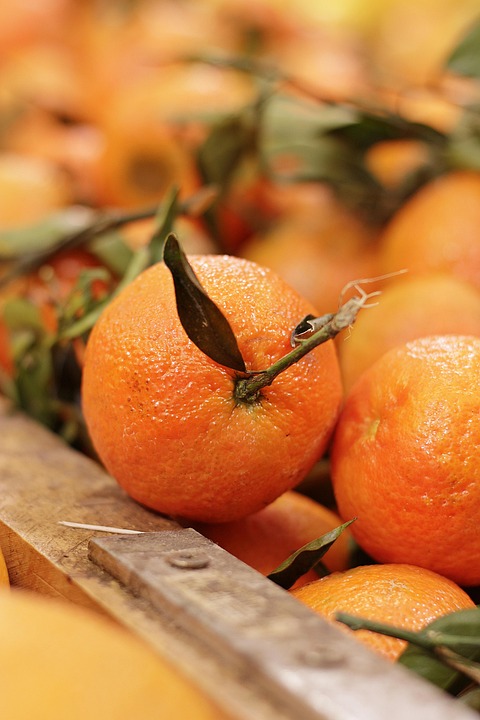
- Moderate-Fructose Fruits: Bananas, strawberries, blueberries, raspberries, citrus fruits (oranges, lemons, limes), and pineapples generally feature more balanced sugar ratios or lower overall fructose loads.
- Vegetables: Many leafy greens, zucchini, carrots, cucumbers, and green beans contain minimal amounts of fructose and fit comfortably into most everyday meal plans.
Practical Strategies for Dietary Management
If you suspect that fructose influences your digestive comfort, navigating your diet requires a thoughtful, structured approach. The goal is to identify your personal threshold—the amount of fructose you can enjoy comfortably without triggering symptoms—rather than maintaining a restrictive regimen indefinitely.
1. Keep a Detailed Food and Symptom Diary
For a week or two, record everything you eat and drink alongside any physical symptoms you experience and their timing. This log helps reveal patterns that memory alone might miss, making it easier to discuss specific trends with a qualified professional.
2. Focus on Portion Control Over Total Elimination
Many people with fructose malabsorption can handle small amounts of high-fructose foods without difficulty. For instance, eating half an apple alongside a protein source is often tolerated much better than eating two large apples on an empty stomach. Spreading your food intake throughout the day gives your digestive tract less work to handle at any single moment.
3. Consider the Role of Glucose Pairings
Pairing a food containing moderate fructose with a source of glucose or healthy fats and proteins can sometimes aid overall digestive tolerance. Always remember that nutritional needs vary greatly; extreme, self-prescribed elimination diets can lead to unnecessary nutritional deficiencies and a reduced variety of beneficial gut bacteria.
Common Misconceptions About Fructose and Digestion
Navigating nutrition information online often leads to common myths. Clearing these up can save you unnecessary stress at the grocery store:
- Myth: All fruits must be avoided.
- Reality: Many fruits are exceptionally well-tolerated and provide essential vitamins, minerals, and fiber. Fructose malabsorption is about balance and quantity, not a ban on fruit.
- Myth: Fructose malabsorption is a food allergy.
- Reality: Allergies involve the immune system releasing antibodies (like IgE), which can cause severe reactions. Fructose malabsorption is a mechanical, non-immune digestive limitation localized within the gastrointestinal tract.
- Myth: Natural sugars are always easier to digest than processed sugars.
- Reality: Your digestive enzymes and transport proteins respond to chemical structures, not the origin of the sugar. Pure honey (natural) and high-fructose corn syrup (processed) both contain high levels of free fructose and can provoke similar digestive responses.
Practical Takeaways
- Fructose malabsorption occurs when the small intestine processes fruit sugar less efficiently, leading to fermentation and gas in the colon.
- Symptoms like bloating, gas, and cramping can mimic other digestive conditions, making professional evaluation essential.
- Management focuses on understanding individual tolerance thresholds and portion sizes rather than eliminating whole food groups.
- Balancing meals, monitoring portion sizes, and keeping a food diary are sustainable steps toward everyday digestive comfort.
Frequently Asked Questions
How is fructose malabsorption typically evaluated?
Healthcare professionals usually evaluate suspected fructose malabsorption by reviewing detailed symptom histories and dietary patterns. In some clinical settings, a hydrogen breath test may be used to measure how the body processes an ingested dose of fructose over a set period.
Can my tolerance for fructose change over time?
Yes. Digestive tolerance can fluctuate based on stress levels, overall gut health, dietary habits, and the total load of fermentable carbohydrates consumed in a given day. Many people find their tolerance improves once acute digestive irritation settles down.
Are artificial sweeteners safe if I have fructose malabsorption?
Most non-nutritive sweeteners (such as aspartame, stevia, or sucralose) are chemically distinct from fructose and do not rely on the same intestinal transport proteins. However, sugar alcohols (like sorbitol, mannitol, and xylitol) can cause similar fermentative digestive symptoms and should be approached with caution.
Is it necessary to avoid vegetables if I have trouble with fructose?
Not at all. While certain vegetables contain moderate levels of fructose or other fermentable sugars, a wide array of vegetables remain very low in fructose. Working with a registered dietitian can help you maintain a vegetable-rich, nutritionally diverse diet.
Why do symptoms sometimes appear hours after eating?
Because fructose must travel through the stomach and the entire length of the small intestine before reaching the colon where bacterial fermentation occurs, there is often a noticeable time delay between eating a trigger food and experiencing physical symptoms like bloating or gas.
Does cooking change the fructose content of food?
Cooking does not fundamentally alter the chemical structure of fructose within a food. However, cooking, softening, or blending foods can sometimes make them easier to digest overall or alter portion sizes, which indirectly influences how your digestive system manages the meal.
SEO Meta Description: Explore how fructose malabsorption affects digestion. Learn about common symptom patterns, trigger foods, balanced eating strategies, and practical dietary management tips.