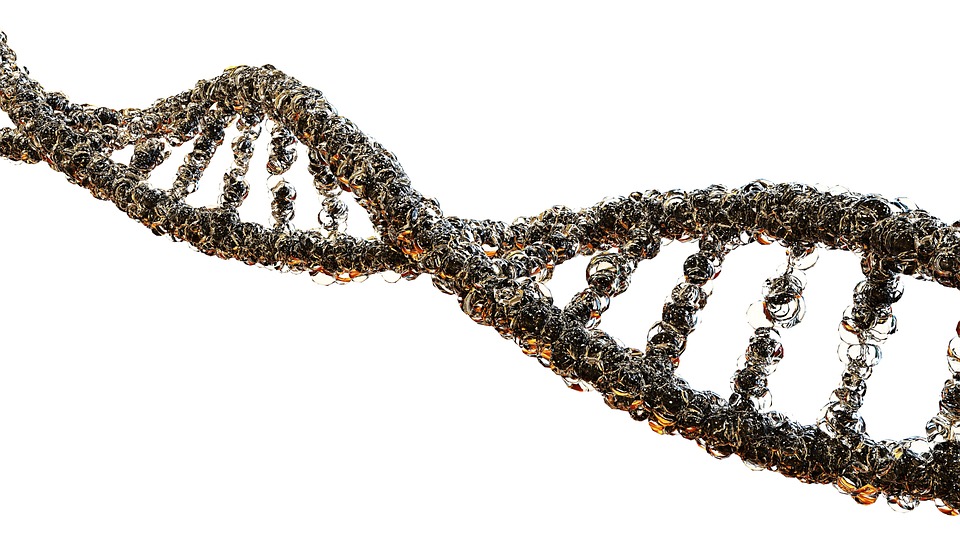


When most people hear the word "genetics," they picture complicated laboratory equipment, double helices spinning on high-tech screens, or scientists in white coats mapping the human genome. But genetics isn't just an abstract concept reserved for clinical trials and textbooks. It is happening inside you right now. Every single day, your genes are hard at work behind the scenes, influencing everything from how quickly your body metabolizes your morning coffee to how your immune system responds to seasonal changes. Understanding the basics of genetics doesn't require a degree in molecular biology. By breaking down how your DNA works—and recognizing that your genes aren't an absolute destiny—you can take a more active, informed role in your personal health journey. What Is DNA, Really? The Ultimate Instruction Manual To understand health and genetics, it helps to start with a familiar analogy. Imagine your body is a massive, highly sophisticated city. To keep that city running smoothly, millions of construction projects, waste management routines, and electrical grids must operate simultaneously without missing a beat. Your DNA is the master blueprint library for that city. Inside almost every cell in your body, you carry a complete set of instructions stored in long strands of DNA (deoxyribonucleic acid). If you were to stretch out all the DNA in a single cell, it would measure about six feet long, yet it is packed so tightly that it fits invisibly inside the cell's nucleus. This master library is organized into chapters called chromosomes. Humans typically have 23 …
When most people hear the word “genetics,” they picture complicated laboratory equipment, double helices spinning on high-tech screens, or scientists in white coats mapping the human genome. But genetics isn’t just an abstract concept reserved for clinical trials and textbooks. It is happening inside you right now. Every single day, your genes are hard at work behind the scenes, influencing everything from how quickly your body metabolizes your morning coffee to how your immune system responds to seasonal changes.
Understanding the basics of genetics doesn’t require a degree in molecular biology. By breaking down how your DNA works—and recognizing that your genes aren’t an absolute destiny—you can take a more active, informed role in your personal health journey.
What Is DNA, Really? The Ultimate Instruction Manual
To understand health and genetics, it helps to start with a familiar analogy. Imagine your body is a massive, highly sophisticated city. To keep that city running smoothly, millions of construction projects, waste management routines, and electrical grids must operate simultaneously without missing a beat.
Your DNA is the master blueprint library for that city.
Inside almost every cell in your body, you carry a complete set of instructions stored in long strands of DNA (deoxyribonucleic acid). If you were to stretch out all the DNA in a single cell, it would measure about six feet long, yet it is packed so tightly that it fits invisibly inside the cell’s nucleus.
This master library is organized into chapters called chromosomes. Humans typically have 23 pairs of chromosomes—inheriting one set from biological mother and one set from biological father. Within these chromosomes lie individual paragraphs and sentences known as genes.
The Alphabet of Life
What makes up these instructions? Just four chemical building blocks—often represented by their chemical letters: A (adenine), T (thymine), C (cytosine), and G (guanine).
Just as thousands of unique books can be written using the 26 letters of the English alphabet, your body builds its entire complexity using combinations of these four letters. A typical gene contains hundreds or even thousands of these letters in a specific sequence. That sequence tells your cells how to manufacture specific proteins, which are the fundamental building blocks and workhorses of your body.
Inherited Traits vs. Health Risks: What Do Your Genes Actually Control?
One of the most common misconceptions in everyday health is the idea of genetic determinism—the belief that “it’s all in my genes,” implying that whatever health conditions ran in your family are guaranteed to happen to you.
In reality, traits and health markers fall into different categories when it comes to genetic influence.
1. Monogenic Traits (Single-Gene Influence)
Some traits and conditions are determined by a mutation or variation in a single gene. These are often referred to as Mendelian traits. Examples include:
- Whether your earlobes are attached or free
- Having straight versus curly hair
- Certain rare, inherited disorders like cystic fibrosis or Huntington’s disease
With single-gene conditions, if a person inherits a specific genetic variant, they will almost certainly develop the condition, regardless of lifestyle factors. Fortunately, these conditions are relatively rare in the general population.
2. Polygenic Traits and Common Health Conditions (Multi-Gene Influence)
Most everyday health aspects—such as your height, your natural weight tendency, your blood pressure regulation, and your risk for common conditions like type 2 diabetes or heart disease—are polygenic.
This means they are influenced by small variations across many different genes working together, often interacting with one another in ways researchers are still uncovering. Having a variation in one or two of these genes doesn’t seal your fate; rather, it slightly shifts your baseline risk up or down.
Nature Meets Nurture: The Power of Gene-Environment Interaction
If genes aren’t a strict destiny, what determines whether a genetic predisposition actually turns into a health issue? The answer lies in one of the most fascinating areas of modern health science: gene-environment interaction.
Think of your genes as a dimmer switch on a light fixture, and your lifestyle and environment as the hand on that switch.
- The Environment: In genetics, “environment” doesn’t just mean the outdoors or pollution. It encompasses everything outside of your DNA, including your diet, how much you exercise, your stress levels, sleep quality, and exposure to toxins or smoking.
- The Interaction: You might carry a genetic variation that makes your body less efficient at processing dietary sodium, raising your baseline risk for high blood pressure. However, if you consistently eat a balanced, low-sodium diet and exercise regularly, you may never develop high blood pressure. Your lifestyle choices modulated the genetic risk.
Conversely, someone with a very favorable genetic profile for metabolic health could still develop health issues if they lead a completely sedentary lifestyle combined with poor nutrition. Genetics loads the gun, but lifestyle pulls the trigger.
Why Family Health History Is Your First Genetic Tool
Long before commercial genetic testing kits existed, doctors relied on the oldest and most cost-effective genetic tool available: the family health history tree.
Because you share a significant percentage of your DNA with your biological parents, siblings, and children, patterns of health and illness within a family tree offer vital clues about your own potential health risks.
When mapping out your family health history, medical professionals look for specific patterns:
- Early onset: Conditions that develop earlier than expected (e.g., heart disease or cancer appearing before age 50).
- Multiple affected relatives: Several family members on the same side having the same or related conditions.
- Generational patterns: Conditions appearing in multiple consecutive generations.
Sharing this information with your primary care provider allows them to tailor your preventive screening schedule—recommending earlier screenings for cholesterol levels, blood sugar checks, or specific cancer screenings if your family history warrants a closer look.
Navigating Modern Genetic Insights and Testing
Today, consumers have unprecedented access to genetic data through direct-to-consumer DNA testing kits, as well as clinical genetic screening ordered by healthcare providers. While these tools have democratized health information, it helps to understand what they can—and cannot—tell you.
What Consumer Genetic Tests Can Show
- Ancestry breakdowns: Estimates of your geographic heritage based on genetic markers.
- Trait predispositions: Fun insights into non-medical traits, such as bitter taste perception, muscle fiber type tendencies, or sleep chronotypes.
- Carrier status: Information on whether you carry genetic variants for certain inherited conditions that you could pass on to your children.
Important Limitations to Keep in Mind
- Risk is not a diagnosis: A consumer genetic report stating you have an “increased risk” for a condition is not a medical diagnosis. It simply highlights an area for discussion with a qualified healthcare professional.
- Incomplete panels: Most direct-to-consumer tests only screen for a fraction of known genetic variants, meaning a “negative” result does not mean you carry zero risk.
- The emotional weight of data: Discovering unexpected health risks or family connections can sometimes be stressful. Having professional genetic counseling available can make a significant difference in interpreting results accurately.
Practical Takeaways: How to Use Your Genetic Knowledge Today
You don’t need to sequence your genome to make your genetics work for you. Here are practical ways to apply basic genetic principles to your everyday wellness routine:
- Investigate your roots: Sit down with older family members and document any chronic illnesses, causes of death, and ages of onset in the family tree. Bring this updated document to your next annual physical.
- Focus on modifiable factors: Remember that your daily habits—sleep, nutrition, physical activity, and stress management—have a profound capacity to influence how your genes express themselves. Control what you can control.
- Prioritize personalized medicine: Work with a physician who views your health holistically, taking into account your unique genetics, environment, and personal goals rather than relying on a one-size-fits-all approach.
- Remain critical of quick fixes: Be skeptical of wellness products or services claiming they can “reprogram your genes” with a single supplement or restrictive diet. Real genetic health is built on consistent, long-term lifestyle foundations.
Frequently Asked Questions About Genetics and Health
Can I change my genes if I adopt a healthier lifestyle?
No, your DNA sequence (the actual letters written in your blueprint) remains fixed throughout your life. However, you can change how your genes behave through a process called gene expression (epigenetics). Healthy lifestyle habits can turn down the activity of genes associated with inflammation and disease while turning up protective mechanisms.
If my parents both have a certain health condition, will I automatically get it too?
Not necessarily. Unless it is a rare single-gene disorder, most common health conditions are polygenic and heavily influenced by lifestyle. While having parents with a condition increases your baseline risk, your own environment and daily habits play a massive role in whether that risk becomes a reality.
Are direct-to-consumer DNA tests as accurate as clinical genetic tests?
Direct-to-consumer tests use genotyping technology that is generally reliable for the specific markers they scan, but they are designed for informational and wellness exploration, not medical diagnosis. Clinical genetic tests, ordered by a doctor or genetic counselor, are far more comprehensive, use higher-precision sequencing, and are interpreted within the full context of your personal medical history.
What is the difference between genetics and genomics?
While the terms are often used interchangeably, they have distinct meanings. Genetics focuses on the study of individual genes and how specific traits or diseases are inherited from parents to offspring. Genomics is a broader field that examines all the genes in the human genome together, including their interactions with one another and with the surrounding environment.