



In today’s fast-paced world, the pursuit of wellness often feels overwhelming. Everywhere you look, new wellness trends promise quick fixes, miracle diets, and total life overhauls in just seven days. But true healthy living is not about drastic restrictions or exhausting routines. Instead, it is about building small, sustainable habits that nourish your body, calm your mind, and support your overall quality of life over the long run. Welcome to The Health Care. In this guide, we are cutting through the noise. We will explore the foundational pillars of healthy living and how you can integrate evidence-based practices into your daily routine without feeling overwhelmed. What Does Healthy Living Really Mean? At its core, healthy living is a proactive approach to life that focuses on prevention, balance, and self-care. It recognizes that physical health, mental wellness, and emotional stability are deeply interconnected. When you eat a nutritious meal, you aren't just fueling your muscles; you are also supporting your brain health. When you sleep well, you are giving your immune system the tools it needs to protect you. Rather than aiming for perfection, healthy living is about consistency. It is about making choices today that your future self will thank you for. The Core Pillars of Healthy Living To build a balanced lifestyle, it helps to break wellness down into manageable components. Let’s explore the core pillars that support a thriving, healthy life. 1. Nourishing Your Body with Whole Foods Nutrition is often the first thing people think of when …
In today’s fast-paced world, the pursuit of wellness often feels overwhelming. Everywhere you look, new wellness trends promise quick fixes, miracle diets, and total life overhauls in just seven days. But true healthy living is not about drastic restrictions or exhausting routines. Instead, it is about building small, sustainable habits that nourish your body, calm your mind, and support your overall quality of life over the long run.
Welcome to The Health Care. In this guide, we are cutting through the noise. We will explore the foundational pillars of healthy living and how you can integrate evidence-based practices into your daily routine without feeling overwhelmed.
What Does Healthy Living Really Mean?
At its core, healthy living is a proactive approach to life that focuses on prevention, balance, and self-care. It recognizes that physical health, mental wellness, and emotional stability are deeply interconnected. When you eat a nutritious meal, you aren’t just fueling your muscles; you are also supporting your brain health. When you sleep well, you are giving your immune system the tools it needs to protect you.
Rather than aiming for perfection, healthy living is about consistency. It is about making choices today that your future self will thank you for.
The Core Pillars of Healthy Living
To build a balanced lifestyle, it helps to break wellness down into manageable components. Let’s explore the core pillars that support a thriving, healthy life.
1. Nourishing Your Body with Whole Foods
Nutrition is often the first thing people think of when discussing health, and for good reason. What you put on your plate acts as the building blocks for your cells. However, healthy eating does not mean living on lettuce and water.
A sustainable approach to nutrition centers on whole, minimally processed foods that provide a wide array of vitamins, minerals, and antioxidants.
- Focus on Fiber: Incorporate plenty of vegetables, fruits, whole grains, and legumes into your meals to support digestive health.
- Prioritize Lean Proteins: Include sources like fish, poultry, beans, and tofu to help repair tissues and maintain muscle mass.
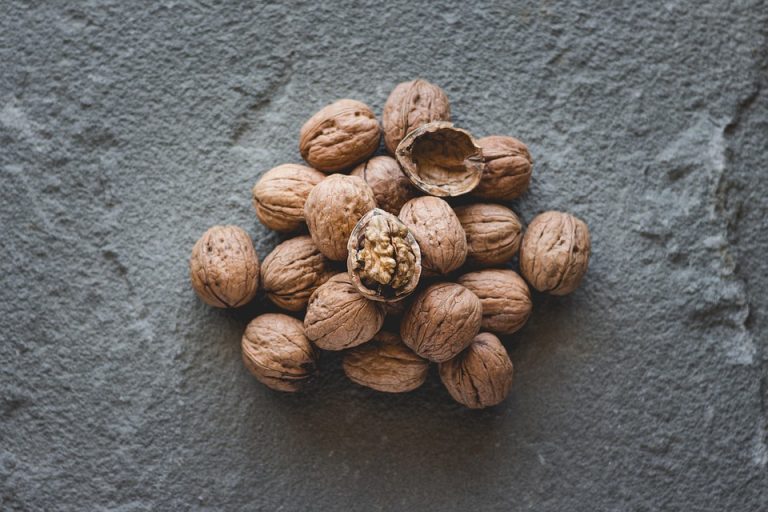
- Healthy Fats Matter: Don’t fear fats. Sources like avocados, olive oil, nuts, and seeds are essential for brain function and hormone production.
- Stay Hydrated: Water is involved in almost every bodily function. Carry a reusable water bottle to sip throughout the day.
2. Moving Your Body Joyfully
Physical activity is crucial for maintaining cardiovascular health, building strength, and boosting mood. Yet, many people abandon exercise routines because they choose activities they despise simply because they think they “should” do them.
The secret to long-term fitness is finding movement that brings you joy.
- Find Your Fit: Whether it is brisk walking, dancing, swimming, yoga, or weightlifting, the best exercise is the one you will actually stick with.
- Embrace Daily Movement: You don’t need a strenuous gym session every day. Taking the stairs, gardening, or walking your dog all contribute to your overall activity levels.
- Listen to Your Body: Rest is just as important as movement. Overtraining can lead to burnout and injury, so allow your body time to recover.
3. Prioritizing Restorative Sleep
In our hustle culture, sleep is often the first thing we sacrifice. Yet, sleep is not a luxury—it is a biological necessity. During sleep, your brain consolidates memories, your muscles repair themselves, and your immune system recharges.
- Establish a Routine: Go to bed and wake up at the same time every day, even on weekends, to regulate your internal body clock.
- Create a Sleep Sanctuary: Keep your bedroom cool, dark, and quiet.
- Limit Screen Time: The blue light emitted by phones and laptops can interfere with melatonin production, making it harder to fall asleep. Try turning off screens at least an hour before bedtime.
4. Cultivating Mental and Emotional Resilience
Mental health is an inseparable part of healthy living. Stress is a normal part of life, but chronic, unmanaged stress can take a heavy toll on both your mind and body.
- Practice Mindfulness: Techniques like deep breathing, meditation, or simply taking a quiet walk without your phone can help ground you in the present moment.
- Stay Connected: Strong social relationships are consistently linked to greater longevity and happiness. Make time for friends and family who lift you up.
- Set Boundaries: Learn to say no to commitments that drain your energy, protecting your time and mental bandwidth for what truly matters.
Overcoming Common Barriers to Healthy Living
Even with the best intentions, maintaining healthy habits can be challenging. Life gets busy, motivation wanes, and unexpected obstacles pop up. Here is how to navigate common hurdles:
The “All-or-Nothing” Trap
Many people believe that if they miss a workout or eat a piece of cake, their healthy streak is ruined. This mindset often leads to giving up entirely. Instead, adopt a flexible mindset. A single meal or missed workout won’t derail your progress, just as a single salad won’t instantly create health. Aim for consistency, not perfection.
Lack of Time
When schedules get hectic, self-care routines are often abandoned. The solution is to start small. Micro-habits—such as a 10-minute morning stretch, a quick walk during your lunch break, or drinking a glass of water first thing in the morning—take very little time but compound into significant health benefits over time.
Key Takeaways
- Consistency over Perfection: Small, daily habits yield better long-term results than drastic, short-term lifestyle overhauls.
- Focus on Whole Foods: A balanced diet rich in vegetables, fruits, whole grains, and healthy fats provides the foundational nutrients your body needs.
- Find Joyful Movement: Exercise should be enjoyable. Choose physical activities that you look forward to rather than dreading.
- Protect Your Sleep: Prioritize 7 to 9 hours of quality sleep nightly to support physical recovery and mental sharpness.
- Nurture Your Mind: Mental well-being is vital. Incorporate stress-management techniques and strong social connections into your routine.
Frequently Asked Questions
What are the most important elements of healthy living?
The foundation of a healthy lifestyle includes eating a balanced, nutrient-dense diet, engaging in regular physical activity, getting 7 to 9 hours of quality sleep, managing stress effectively, and maintaining strong social connections.
How can I start living a healthier lifestyle if I feel overwhelmed?
Start small. Pick one manageable habit to focus on—such as drinking an extra glass of water daily or taking a 15-minute walk—and build from there. Once that habit feels natural, add another small change.
How much physical activity do I need each week?
Health guidelines generally recommend at least 150 minutes of moderate-intensity aerobic activity (such as brisk walking or cycling) and two days of muscle-strengthening activities per week. However, any movement is better than none.
Why is sleep so important for overall wellness?
Sleep allows the body and brain to repair, regenerate, and consolidate memories. Chronic sleep deprivation is linked to a weakened immune system, lower cognitive function, and higher stress levels.
Do I need to cut out my favorite foods to be healthy?
Not at all. A sustainable approach to nutrition allows for flexibility and moderation. Depriving yourself completely of foods you love often leads to burnout and binge eating. All foods can fit into a balanced lifestyle in appropriate portions.