
Addressing the growing demand for better rest.

wellness

In a world that glorifies busy schedules and constant productivity, taking care of yourself often feels like just another item on an endless to-do list. Between work commitments, family responsibilities, and the digital noise of modern life, many of us find ourselves running on empty. We wait until we are completely burnt out before we decide to care for our well-being. But true health is not just about bouncing back from exhaustion; it is about building a daily foundation that prevents burnout in the first place. Welcome to The Health Care, your trusted space for evidence-based insights on living a balanced life. If you have ever wondered what true wellness looks like beyond green smoothies and gym memberships, you are in the right place. True vitality is not a distant destination or a rigid set of rules. Instead, it is an ongoing, dynamic journey that integrates your physical, mental, and emotional health. By shifting your focus from drastic lifestyle overhauls to small, sustainable daily habits, you can transform your health from the inside out. Let’s explore what wellness really means and how you can cultivate it in your daily life. What is Wellness, Anyway? The term gets thrown around a lot in marketing campaigns, spa advertisements, and social media feeds. Often, it gets reduced to bubble baths, expensive supplements, or intense fitness challenges. However, the World Health Organization (WHO) defines health in a much broader sense: a state of complete physical, mental, and social well-being, not merely the absence of …


In a world that glorifies busy schedules and constant productivity, taking care of yourself often feels like just another item on an endless to-do list. Between work commitments, family responsibilities, and the digital noise of modern life, many of us find ourselves running on empty. We wait until we are completely burnt out before we decide to care for our well-being. But true health is not just about bouncing back from exhaustion; it is about building a daily foundation that prevents burnout in the first place.

Welcome to The Health Care, your trusted space for evidence-based insights on living a balanced life. If you have ever wondered what true wellness looks like beyond green smoothies and gym memberships, you are in the right place.

True vitality is not a distant destination or a rigid set of rules. Instead, it is an ongoing, dynamic journey that integrates your physical, mental, and emotional health. By shifting your focus from drastic lifestyle overhauls to small, sustainable daily habits, you can transform your health from the inside out. Let’s explore what wellness really means and how you can cultivate it in your daily life.


What is Wellness, Anyway?

The term gets thrown around a lot in marketing campaigns, spa advertisements, and social media feeds. Often, it gets reduced to bubble baths, expensive supplements, or intense fitness challenges. However, the World Health Organization (WHO) defines health in a much broader sense: a state of complete physical, mental, and social well-being, not merely the absence of disease or infirmity.

Therefore, true wellness is multidimensional. It encompasses several interconnected pillars:

  • Physical Health: How your body moves, nourishes itself, and rests.
  • Mental Health: How you manage stress, process emotions, and maintain cognitive function.
  • Emotional Health: Your ability to understand, express, and navigate your feelings in healthy ways.
  • Social Health: The quality of your connections and relationships with others.
  • Environmental Health: How your living, working, and natural surroundings impact your mood and health.

When one of these areas is neglected, the others often feel the impact. For example, chronic stress at work (mental/environmental) can disrupt your sleep and digestion (physical). Embracing holistic wellness means looking at the big picture rather than trying to fix isolated symptoms.


The Physical Pillar: Movement, Nourishment, and Rest

Taking care of your physical body is often the most visible aspect of health. However, it should never come from a place of punishment or restriction. Instead, physical wellness is about honoring what your body needs to function at its best.

Redefining Movement

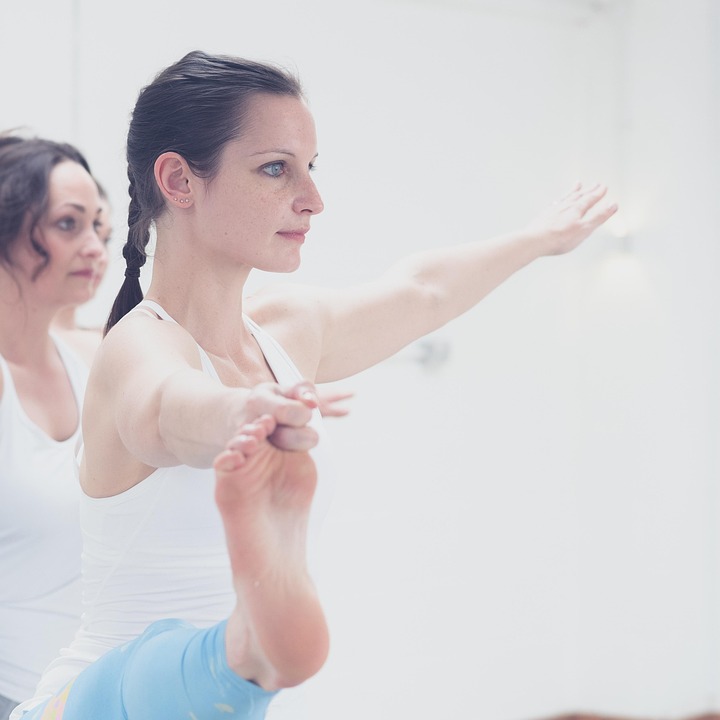
You do not need to spend hours sweating in a gym to experience the benefits of physical activity. While structured exercise is fantastic, daily movement of any kind matters.

  • Find activities you genuinely enjoy: Whether it is dancing in your kitchen, swimming, cycling, or brisk walking, consistency beats intensity.
  • Incorporate NEAT: Non-Exercise Activity Thermogenesis includes everyday movements like taking the stairs, gardening, or cleaning. These small actions add up significantly over time.
  • Prioritize mobility: Gentle stretching and mobility work keep your joints healthy and prevent stiffness, especially if you sit at a desk for long periods.

Nourishing Your Body

Food is information, energy, and building blocks for your cells. Rather than following restrictive fad diets, focus on an approach rooted in balance and diversity.

  • Eat a rainbow: Incorporate a wide variety of colorful fruits and vegetables to ensure a broad spectrum of vitamins, minerals, and antioxidants.
  • Focus on whole foods: Prioritize minimally processed foods like lean proteins, whole grains, nuts, seeds, and healthy fats.
  • Stay hydrated: Water plays a crucial role in almost every bodily function, from regulating body temperature to supporting cognitive focus.

The Underrated Power of Rest

In our hustle culture, sleep is often the first thing we sacrifice. Yet, adequate rest is non-negotiable for physical recovery, immune function, and brain health. Most adults thrive on seven to nine hours of quality sleep per night. Establishing a relaxing wind-down routine—such as turning off screens an hour before bed and keeping your bedroom cool and dark—can drastically improve your sleep hygiene.


The Mental and Emotional Pillar: Cultivating Inner Calm

Mental and emotional wellness determine how you experience life. While you cannot control every external circumstance, you can build resilience to navigate life’s inevitable ups and downs.

Managing Stress Effectively

Stress is a natural biological response designed to keep us safe from danger. However, when the stress response stays switched “on” due to modern pressures, it takes a heavy toll on our health.

  • Practice mindfulness: Bringing your awareness to the present moment through deep breathing or meditation can help calm an overactive nervous system.
  • Set healthy boundaries: Learning to say “no” to commitments that drain your energy is an act of self-preservation, not selfishness.
  • Engage in hobbies: Dedicating time to things you love purely for the joy of it—whether it is painting, reading, or playing music—is a powerful antidote to stress.

Tapping into Emotional Intelligence

Allowing yourself to feel your emotions without judgment is a cornerstone of mental health. Suppressing emotions often leads to physical tension and emotional outbursts later. Journaling, talking to a trusted friend, or seeking guidance from a licensed therapist are wonderful ways to process complex feelings safely.


Building a Sustainable Wellness Routine

The biggest mistake people make when starting a wellness journey is trying to change everything at once. They decide to wake up at 5:00 AM, meditate for an hour, cut out all sugar, and run five miles daily. By week two, burnout sets in, and they quit.

Lasting health is built on the compound effect of micro-habits. Here is how you can build a routine that actually sticks:

  1. Start ridiculously small: Choose one tiny habit to implement, such as drinking a glass of water first thing in the morning or taking five deep breaths before checking your phone.
  2. Anchor your habits: Attach a new habit to an existing one. For example, “After I brush my teeth, I will stretch for two minutes.”
  3. Track your progress: Visual trackers or habit-building apps can help keep you accountable and show you how far you have come.
  4. Practice self-compassion: Perfection is an illusion. Some days will not go according to plan, and that is completely okay. Meet yourself with kindness and simply resume your routine the next day.


Key Takeaways

  • Holistic Approach: True wellness encompasses physical, mental, emotional, and social health, rather than just the absence of illness.
  • Small Changes Matter: Sustainable health is built through consistent micro-habits rather than drastic, short-lived lifestyle overhauls.
  • Listen to Your Body: Prioritize balanced nutrition, enjoyable physical movement, and adequate sleep without adopting rigid or punitive rules.
  • Protect Your Mental Space: Managing stress, setting healthy boundaries, and allowing yourself to rest are vital components of overall well-being.
  • Grace Over Perfection: Approach your health journey with patience and self-compassion, recognizing that consistency is far more important than perfection.


Frequently Asked Questions (FAQs)

1. What is the difference between health and wellness?

Health generally refers to a state of being—physical, mental, and social—free from disease. Wellness, on the other hand, is an active, conscious process of making choices that lead toward a more balanced, fulfilling, and healthy life.

2. How can I start improving my wellness if I have a very busy schedule?

Begin by identifying one small, manageable habit you can easily add to your day, such as a 10-minute walk during your lunch break or a few minutes of deep breathing before bed. Consistency with small actions is far more effective than trying to overhaul your entire routine at once.

3. Do I need to follow a specific diet to achieve wellness?

No single diet works for everyone. A sustainable approach focuses on whole, nutrient-dense foods, adequate hydration, and flexibility, allowing you to nourish your body without restrictive rules or guilt.

4. How much sleep do I really need each night?

Most adults require between seven and nine hours of quality sleep per night for optimal physical recovery, cognitive function, and emotional regulation. Listening to your body’s unique sleep cues is essential.

5. What are some simple ways to manage daily stress?

Effective and accessible stress management techniques include practicing mindfulness or meditation, engaging in regular physical activity, spending time in nature, setting clear digital boundaries, and maintaining supportive social connections.


Related Posts

healthy habits
September 2, 2026
Daily Micro-Breaks: The Habit That Cures Afternoon Brain Fog

In today’s fast-paced world, the pursuit of better health often feels overwhelming. Everywhere you look, new wellness trends promise overnight transformations, strict diets demand complete lifestyle overhauls, and intense fitness challenges push the body to its limits. Yet, true well-being rarely comes from extreme measures. Instead, long-term health is built quietly through the accumulation of simple, daily actions. At The Health Care, we believe that sustainable self-care should feel achievable, not exhausting. Developing healthy habits does not require a complete redesign of your daily routine overnight. Rather, it is about making small, mindful choices that compound over time, supporting both your physical vitality and mental clarity. Whether you are looking to boost your energy, improve your sleep, or simply establish a greater sense of balance, adopting realistic healthy habits is the most effective path forward. Let’s explore the evidence-based practices that can help you build a healthier, happier lifestyle from the ground up. What Are Healthy Habits and Why Do They Matter? Before diving into specific routines, it helps to understand the psychology behind behavior change. Healthy habits are automatic behaviors that positively influence your physical, mental, or emotional well-being. When an action becomes a habit, your brain requires less conscious effort to execute it, making consistency much easier to maintain. According to behavioral research, routines replace the need for constant willpower. When you rely solely on motivation to eat well or exercise, you are bound to struggle on days when energy is low. By contrast, embedding positive routines into …

wellness
September 2, 2026
The Sleep Sanctuary: How to Transform Your Bedroom Into a Rest Haven

When you hear the word "wellness," what comes to mind? For many of us, the image conjured is one of rigid discipline: grueling 5:00 AM workouts, expensive green smoothies, perfectly organized supplement shelves, and hours of silent meditation. While these practices work wonders for some, they often leave the rest of us feeling overwhelmed, exhausted, and ready to quit before we even begin. At The Health Care, we believe it is time to redefine what wellness truly means. True health is not about achieving perfection, nor is it a destination on a map that you eventually reach. Instead, wellness is a dynamic, lifelong journey of making choices that support your physical, mental, and emotional vitality. In this comprehensive guide, we will explore how to build a realistic, science-backed wellness routine that fits your actual life—no extreme juice cleanses or ironclad rules required. What Does Wellness Really Mean? For decades, modern culture treated health as the mere absence of disease. If you weren't actively sick, you were considered "well." Today, health experts view wellness through a much broader, more holistic lens. Wellness encompasses multiple interconnected dimensions. When one area of your life is neglected, the others often feel the strain. Think of yourself as an ecosystem; if the soil is dry, the whole garden suffers. The Core Pillars of Daily Health Physical Wellness: Nourishing your body with whole foods, staying hydrated, moving regularly, and getting restorative sleep. Mental and Emotional Wellness: Managing stress, processing difficult emotions, practicing self-compassion, and keeping your …

healthy living
September 2, 2026
The New Rules of Wellness

In today’s fast-paced world, the pursuit of wellness can often feel overwhelming. Between conflicting diet trends, endless workout challenges, and the daily pressures of modern life, many of us struggle to find a balanced routine. Yet, true well-being is rarely found in extreme measures or quick fixes. Instead, healthy living is built on small, consistent choices that nourish your body, calm your mind, and support your lifestyle over the long term. Welcome to The Health Care, your trusted guide for evidence-based wellness. In this article, we will explore practical, realistic strategies to help you embrace healthy living without the stress. Whether you are looking to boost your daily energy, improve your sleep, or simply feel more grounded, these foundational steps will help you thrive. What Does Healthy Living Really Mean? When you hear the term "healthy living," what comes to mind? For many, it immediately conjures images of strict salads, grueling morning runs, and endless self-restraint. However, this narrow definition often leads to burnout. True well-being is holistic. It encompasses physical health, emotional resilience, mental clarity, and social connection. It acknowledges that health is not a destination you reach, but a continuous journey of self-care and adaptation. By shifting your mindset from restriction to nourishment, you can create a lifestyle that feels enjoyable, sustainable, and uniquely tailored to you. 1. Fueling Your Body with Whole Foods Nutrition is one of the cornerstones of healthy living. What you eat directly influences your energy levels, immune function, and long-term health. However, eating …

healthy habits
September 2, 2026
Beyond Diet and Exercise: The Daily Rituals of Emotionally Healthy People

In today’s fast-paced world, the pursuit of better health often feels overwhelming. Everywhere you look, there is a new superfood, a strict fitness regimen, or a complex morning routine promising a complete life transformation. But true well-being does not come from extreme overhauls. Instead, sustainable health is built on the quiet, consistent power of small, healthy habits practiced day in and day out. Welcome to The Health Care. Our goal is to cut through the noise of modern wellness trends and provide you with clear, evidence-based guidance. In this article, we will explore practical healthy habits that you can seamlessly integrate into your daily life to support your physical vitality, mental clarity, and emotional balance. Understanding the Power of Habit Formation Before diving into specific routines, it helps to understand how change happens. Habits are automatic behaviors shaped by repetition. When you repeat an action in a specific context, your brain forms a neurological loop—cue, routine, reward. Trying to change everything at once often exhausts your mental energy. A more effective approach, often supported by behavioral science, is "habit stacking." This involves attaching a new habit to an existing one. For example, if you already drink coffee every morning, you might stack a new habit of drinking a glass of water right before your coffee. By focusing on gradual, incremental changes, you build a solid foundation of healthy habits that feel natural rather than forced. Nutritional Habits: Fueling Your Body Wisely Nutrition is a cornerstone of overall wellness. However, healthy …

wellness
September 2, 2026
Why You’re Sleeping 8 Hours and Still Exhausted

In today's fast-paced world, the pursuit of better health often feels like a full-time job. Between conflicting diet trends, high-pressure work environments, and endless notifications, it is easy to feel overwhelmed. Many people believe that achieving a state of complete wellness requires drastic lifestyle changes, expensive gym memberships, or complicated daily routines. Fortunately, the reality is much simpler. True wellness is not about perfection or rigid rules. Instead, it is a dynamic, lifelong journey of making intentional choices that support a balanced and fulfilling life. By focusing on small, sustainable habits, you can transform your daily routine and cultivate lasting vitality. Welcome to The Health Care. In this guide, we will explore what wellness truly means, break it down into manageable pillars, and provide practical, evidence-based steps to help you thrive physically, mentally, and emotionally. What Does Wellness Truly Mean? When most people hear the word wellness, they immediately think of physical fitness or the absence of disease. While physical health is a major component, true wellness is much broader. Health organization definitions often describe wellness as an active process of becoming aware of and making choices toward a healthy and fulfilling existence. It is multi-dimensional, meaning it encompasses how you nourish your body, how you manage stress, how you connect with others, and how you find purpose in your daily activities. Viewing wellness through a holistic lens allows you to shift away from all-or-nothing thinking. If you miss a workout or eat a heavy meal, it does not ruin …

healthy living
September 2, 2026
Live Well, Feel Better

In today’s fast-paced world, the pursuit of healthy living often feels like navigating a maze of conflicting advice. One day, a specific diet is trending; the next, it is deemed entirely ineffective. With so much information coming at us from social media, news outlets, and wellness gurus, it is easy to feel overwhelmed and give up before even starting. However, achieving genuine well-being does not require extreme restrictions, expensive supplements, or grueling daily workouts. True healthy living is about building realistic, sustainable habits that nourish your body, calm your mind, and fit seamlessly into your everyday routine. Welcome to The Health Care guide on sustainable wellness. In this article, we will explore the foundational pillars of a healthy lifestyle, providing you with evidence-based insights to help you thrive physically and mentally. What Does Healthy Living Really Mean? Many people define healthy living by a number on a scale or the way they look in the mirror. While physical appearance can sometimes reflect lifestyle choices, wellness goes far deeper. At its core, healthy living is an active process of making choices toward a healthy and fulfilling existence. It encompasses physical fitness, mental clarity, emotional resilience, and social connection. It is not an all-or-nothing game. Rather, it is about consistency over perfection—making choices that serve your long-term vitality rather than short-term fixes. Pillar 1: Nourishing Your Body with Whole Foods Nutrition is the fuel that powers your body, yet modern diets are often heavy on ultra-processed foods and low in essential nutrients. …