

Modern life demands constant motion. Between back-to-back digital meetings, household responsibilities, and the endless ping of notifications, our days are often characterized by cognitive overload and physical stillness. We sit at desks, lean over steering wheels, and collapse onto couches. Paradoxically, despite this lack of vigorous physical activity, we end our days feeling utterly exhausted. This specific type of fatigue isn’t just physical—it is an energetic stagnation. When movement is entirely disconnected from intentional restoration, the body’s natural vitality wanes. Enter restorative movement: a deliberate, mindful approach to physical activity designed not to break the body down for fitness gains, but to recalibrate the nervous system, release chronic tension, and restore fluid daily energy. Why Traditional Exercise Isn’t Always Enough When people hear "physical activity," their minds immediately jump to high-intensity interval training (HIIT), heavy weightlifting, or grueling cardio sessions. While these forms of exercise are undeniably valuable for long-term health, cardiovascular endurance, and metabolic function, they can sometimes act as a stressor rather than a release. If you are already running on high cortisol—the body's primary stress hormone—adding a punishing, high-stress workout to your day can actually deplete your remaining energetic reserves. Restorative movement serves a completely different biological purpose. Instead of pushing your heart rate to its maximum threshold, these practices focus on: Parasympathetic activation: Signaling to your autonomic nervous system that you are safe, shifting your body out of "fight-or-flight" mode. Fascial release: Hydrating and mobilizing the connective tissue that becomes rigid from prolonged sitting. Proprioceptive awareness: …
Modern life demands constant motion. Between back-to-back digital meetings, household responsibilities, and the endless ping of notifications, our days are often characterized by cognitive overload and physical stillness. We sit at desks, lean over steering wheels, and collapse onto couches.
Paradoxically, despite this lack of vigorous physical activity, we end our days feeling utterly exhausted.
This specific type of fatigue isn’t just physical—it is an energetic stagnation. When movement is entirely disconnected from intentional restoration, the body’s natural vitality wanes.
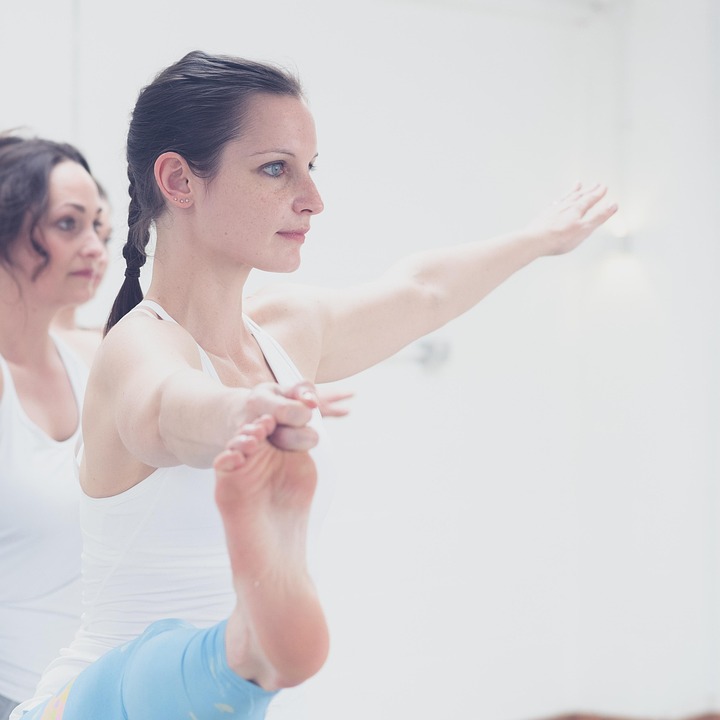
Enter restorative movement: a deliberate, mindful approach to physical activity designed not to break the body down for fitness gains, but to recalibrate the nervous system, release chronic tension, and restore fluid daily energy.
Why Traditional Exercise Isn’t Always Enough
When people hear “physical activity,” their minds immediately jump to high-intensity interval training (HIIT), heavy weightlifting, or grueling cardio sessions. While these forms of exercise are undeniably valuable for long-term health, cardiovascular endurance, and metabolic function, they can sometimes act as a stressor rather than a release.
If you are already running on high cortisol—the body’s primary stress hormone—adding a punishing, high-stress workout to your day can actually deplete your remaining energetic reserves.
Restorative movement serves a completely different biological purpose. Instead of pushing your heart rate to its maximum threshold, these practices focus on:
- Parasympathetic activation: Signaling to your autonomic nervous system that you are safe, shifting your body out of “fight-or-flight” mode.
- Fascial release: Hydrating and mobilizing the connective tissue that becomes rigid from prolonged sitting.
- Proprioceptive awareness: Reconnecting your conscious mind with physical sensations in your limbs, torso, and spine.
The Four Pillars of Restorative Movement
Integrating this wellness philosophy into your life doesn’t require hours at a specialty studio. You can weave these concepts into the margins of your day. Here are four foundational approaches to explore:
1. Controlled Joint Articulation
Over the course of a workday, our joints—particularly the hips, thoracic spine, and shoulders—stiffen from lack of use. Controlled articular rotations (slow, deliberate circles taken through a joint’s full range of motion) act as a self-lubricating mechanism for cartilage while waking up dormant neural pathways.
2. Paced Mobility Flows
Unlike static stretching, which involves holding a position, mobility flows link breath with continuous, fluid movement. Think of gentle cat-cow transitions, deep lunge sweeps, or seated spinal twists. This keeps the nervous system engaged while gently encouraging tight muscles to lengthen.
3. Somatic Shaking and Release
Animals instinctively shake their bodies after surviving a stressful event to discharge adrenaline and reset their nervous systems. Intentional shaking—bouncing gently on the heels and allowing the arms and wrists to hang loose—is a remarkably effective somatic tool for releasing trapped muscular tension.
4. Grounded Breath-Led Postures
By combining restorative yoga shapes (such as legs-up-the-wall or a supported supine twist) with diaphragmatic breathing, you mechanically compress and decompress soft tissues while lowering your resting heart rate.
Designing a 10-Minute Daily Energy Reset
You do not need a blank hour in your calendar to experience the benefits of restorative movement. Try carving out ten minutes—perhaps during your mid-afternoon slump—to run through this simple sequence:
- Minute 1–3: The Spinal Awakening. Stand tall with your feet hip-width apart. Inhale as you reach your arms overhead; exhale as you gently articulate your spine downward into a soft-kneed forward fold, letting your head hang heavy. Roll back up vertebra by vertebra. Repeat five times, matching your movement to a slow, deep breath.
- Minute 4–6: The Hip and Thoracic Unwind. Step your right foot forward into a low lunge, keeping your back knee down or lifted. Drop your hips forward slightly, then reach your right arm up toward the ceiling, twisting your torso gently open. Hold for three breaths, then switch sides.
- Minute 7–9: Somatic Discharge. Stand with a wide stance, soft knees, and loose wrists. Begin bouncing gently from your ankles and knees, allowing your shoulders, jaw, and hands to shake out completely for two full minutes.
- Minute 10: Quiet Integration. Lie flat on your back on a comfortable surface. Extend your arms out to the sides, palms facing up, and let your feet fall open. Close your eyes and take five slow, diaphragmatic breaths, feeling the floor completely support your weight.
Common Misconceptions to Leave Behind
As you adopt a restorative movement practice, keep these key boundaries in mind:
- “More is better”: Restorative movement is explicitly not about chasing a burn, breaking a heavy sweat, or hitting personal records. If you finish your session feeling depleted, you missed the mark.
- “It has to look a certain way”: There is no aesthetic standard for mobility. It is entirely about how your body feels from the inside out.
- “It replaces cardio and strength”: Think of restorative movement as the nutritional roughage or sleep equivalent of your physical routine—it is the essential recovery infrastructure that makes your harder efforts sustainable.
When to Seek Professional Guidance
While gentle, self-directed movement is generally safe and beneficial for most adults, it is important to listen to your body’s structural feedback.
If you experience sharp, shooting pain, numbness, tingling, or joint instability during any movement, stop immediately. Those managing chronic musculoskeletal conditions, recovering from recent surgery, or dealing with unexplained persistent pain should consult a physical therapist, sports medicine physician, or qualified healthcare professional before beginning a new physical routine.
Frequently Asked Questions
What is the best time of day for restorative movement?
While you can practice these techniques anytime, they are exceptionally effective during natural energy dips—such as the mid-afternoon lull between 2:00 PM and 4:00 PM—or as a wind-down ritual right before bed to help transition the body into deep sleep.
Do I need any special equipment?
Not at all. Most restorative routines can be done entirely with your own body weight on a comfortable rug or yoga mat. Optional props like a rolled-up towel, a throw pillow, or a yoga block can provide extra comfort, but they are never strictly required.
How does restorative movement differ from traditional stretching?
Traditional static stretching typically focuses on lengthening individual muscles by holding them in place for 30 to 60 seconds, which can sometimes trigger a protective tightening response in the nervous system. Restorative movement emphasizes fluid transitions, joint lubrication, and nervous system regulation, treating the body as an interconnected web of fascia and energy.
Can restorative movement help with chronic stress?
Yes. Because these practices deliberately stimulate the vagus nerve and activate the parasympathetic nervous system, they act as a physical counterweight to chronic psychological stress, helping to lower blood pressure, reduce muscle armoring, and calm an overactive mind.