
The Lazy Person’s Guide to Getting in the Best Shape of Your Life

healthy habits

In a world filled with quick fixes, miracle cleanses, and extreme fitness challenges, it is easy to feel overwhelmed by the sheer volume of health advice available. We are often told to overhaul our entire lives overnight—to wake up at 5:00 AM, eliminate entire food groups, and spend hours in the gym. Unsurprisingly, these drastic changes rarely stick. True, lasting wellness does not come from dramatic transformations; it is built quietly through the consistent practice of simple, healthy habits. At The Health Care, we believe that taking charge of your well-being should feel empowering, not exhausting. Understanding how small daily choices accumulate over time can help you create a sustainable routine that supports your physical and mental health. Let’s explore the evidence-based daily habits that can help you feel your best, one step at a time. Why Small Habits Matter More Than Big Goals When setting out to improve your health, it is natural to focus on big goals: losing a specific amount of weight, running a marathon, or lowering your cholesterol. However, researchers in behavioral psychology note that goals dictate the direction you want to go, but systems—your daily habits—determine your progress. Relying solely on motivation is a losing battle because motivation naturally fluctuates. When you are tired, stressed, or busy, motivation fades. Systems and habits, however, operate on autopilot. By integrating manageable, healthy habits into your daily routine, you reduce the mental effort required to make supportive choices. Pillar 1: Nourishing Your Body Mindfully Nutrition is often the …


In a world filled with quick fixes, miracle cleanses, and extreme fitness challenges, it is easy to feel overwhelmed by the sheer volume of health advice available. We are often told to overhaul our entire lives overnight—to wake up at 5:00 AM, eliminate entire food groups, and spend hours in the gym. Unsurprisingly, these drastic changes rarely stick. True, lasting wellness does not come from dramatic transformations; it is built quietly through the consistent practice of simple, healthy habits.

At The Health Care, we believe that taking charge of your well-being should feel empowering, not exhausting. Understanding how small daily choices accumulate over time can help you create a sustainable routine that supports your physical and mental health.

Let’s explore the evidence-based daily habits that can help you feel your best, one step at a time.


Why Small Habits Matter More Than Big Goals

When setting out to improve your health, it is natural to focus on big goals: losing a specific amount of weight, running a marathon, or lowering your cholesterol. However, researchers in behavioral psychology note that goals dictate the direction you want to go, but systems—your daily habits—determine your progress.

Relying solely on motivation is a losing battle because motivation naturally fluctuates. When you are tired, stressed, or busy, motivation fades. Systems and habits, however, operate on autopilot. By integrating manageable, healthy habits into your daily routine, you reduce the mental effort required to make supportive choices.


Pillar 1: Nourishing Your Body Mindfully

Nutrition is often the most confusing pillar of wellness. Trends come and go, but the core principles of balanced eating remain remarkably consistent.

Focus on Whole, Nutrient-Dense Foods

Rather than stressing over strict dietary rules, try shifting your focus toward whole, minimally processed foods.

  • Vegetables and Fruits: Aim to fill half your plate with colorful produce, which provides essential vitamins, minerals, and dietary fiber.
  • Quality Proteins: Incorporate lean meats, fish, beans, lentils, and tofu to support tissue repair and muscle maintenance.
  • Complex Carbohydrates: Choose whole grains like quinoa, brown rice, and oats for sustained energy.

Hydration is Key

Every cell, tissue, and organ in your body needs water to function properly. Mild dehydration can lead to fatigue, headaches, and difficulty concentrating. While individual water needs vary based on body size, activity level, and climate, keeping a reusable water bottle nearby is a simple reminder to sip throughout the day.


Pillar 2: Moving Every Day in Ways You Enjoy

Exercise is often viewed as a chore—something to endure to “earn” food or burn off calories. This mindset makes consistency difficult. Physical activity should be celebrated as a way to honor what your body can do, not as punishment.

Find Joy in Movement

You do not need to spend hours on a treadmill to reap the benefits of physical activity. The best exercise is simply the one you will actually do.

  • Walking: A brisk 30-minute daily walk supports cardiovascular health and boosts mood.
  • Strength Training: Incorporating bodyweight exercises, resistance bands, or weights twice a week helps maintain muscle mass and bone density.
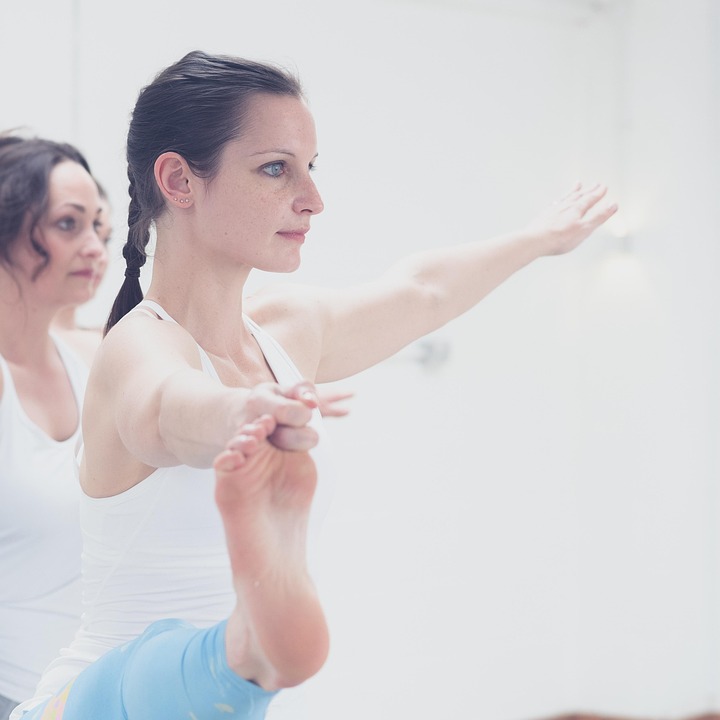
  • Flexibility and Balance: Practices like yoga or gentle stretching can improve mobility and reduce physical tension.

Combat Sedentary Behavior

Modern life often involves sitting at desks for hours at a time. Breaking up long periods of sitting by standing up, stretching, or walking around for a few minutes every hour can make a significant difference in your daily energy levels and joint comfort.


Pillar 3: Prioritizing Rest and Recovery

In our hustle-culture society, sleep is often the first thing we sacrifice. We view rest as a luxury rather than a biological necessity. In reality, sleep is when your body repairs tissues, consolidates memories, and regulates vital hormones.

Building a Restful Sleep Routine

Improving your sleep hygiene can transform your daily energy and cognitive function. Consider adopting these habits:

  • Consistent Schedule: Go to bed and wake up at the same time every day, even on weekends, to support your body’s internal clock.
  • Digital Sunset: Turn off screens (phones, tablets, televisions) at least 30 to 60 minutes before bed. The blue light emitted by devices can interfere with melatonin production.
  • Create a Sanctuary: Keep your bedroom cool, dark, and quiet to encourage deep, uninterrupted sleep.


Pillar 4: Cultivating Mental and Emotional Resilience

Physical health and mental well-being are deeply interconnected. Chronic stress can take a heavy toll on the body, affecting everything from digestion to immune function. Developing healthy habits for your mind is just as important as caring for your body.

Managing Daily Stress

While you cannot eliminate stress entirely, you can change how your body responds to it.

  • Mindful Breathing: Taking just a few slow, deep breaths activates the parasympathetic nervous system, helping to calm your mind in moments of overwhelm.
  • Journaling: Writing down your thoughts or practicing daily gratitude can help process emotions and shift your perspective toward the positive.
  • Social Connection: Maintaining strong relationships with friends, family, or community groups provides emotional support and a sense of belonging.


How to Make Healthy Habits Stick

Knowing what to do is only half the battle; actually doing it consistently is where the real challenge lies. Here are a few practical strategies to help your new routines endure:

  • Start Ridiculously Small: If you want to read more, commit to reading just one page a night. If you want to exercise, commit to a five-minute walk. Lowering the barrier to entry makes it easy to start.
  • Habit Stacking: Attach a new habit to an existing one. For example, “After I pour my morning coffee (existing habit), I will write down three things I am grateful for (new habit).”
  • Design Your Environment: Make good choices easy and poor choices difficult. Keep fresh fruit on the counter instead of cookies, or lay out your workout clothes the night before.
  • Be Patient and Compassionate: Progress is rarely a straight line. Missing a day or falling off track does not mean failure; it simply means you are human. Acknowledge the stumble and gently resume your routine the next day.


Key Takeaways

  • Sustainability over Perfection: Long-term wellness is built through small, consistent daily actions rather than extreme, short-term lifestyle overhauls.
  • Focus on Nourishment: Prioritize whole foods, balanced nutrition, and adequate hydration to fuel your body effectively.
  • Find Movement You Love: Physical activity should be enjoyable and varied, incorporating cardiovascular health, strength, and flexibility.
  • Honor Rest: Prioritize quality sleep as a non-negotiable biological necessity for physical and mental recovery.
  • Nurture Your Mind: Practice stress management, mindfulness, and self-compassion to support emotional resilience.


Frequently Asked Questions

What are the most important daily healthy habits to start with?

Begin with the fundamentals: drinking enough water, getting 7 to 9 hours of quality sleep, adding some form of daily movement, and eating nutrient-dense whole foods. Choose just one area to focus on first before adding new habits.

How long does it actually take to form a new habit?

Popular myths suggest 21 days, but psychological research shows that the time it takes to build a habit varies widely depending on the individual, the complexity of the behavior, and the environment. On average, it takes anywhere from two to eight months for a new behavior to become automatic. The key is consistency, not speed.

How can I stay motivated when trying to live healthier?

Relying solely on motivation is difficult because it naturally fluctuates. Instead, focus on building simple routines and environmental cues that make healthy choices easy, even on days when your motivation is low.

Is it okay to indulge in less nutritious foods occasionally?

Yes. A healthy lifestyle is about balance, not restriction. Rigidly banning certain foods often leads to burnout or binge eating. Allowing yourself to enjoy favorite treats in moderation supports a sustainable, healthy relationship with food.

What should I do if I keep falling off my wellness routine?

First, practice self-compassion. Slips are a normal part of habit formation. Instead of viewing a missed workout or poor meal choice as a failure, treat it as data. Assess what caused the interruption, adjust your approach if needed, and gently resume your routine.


Related Posts

healthy living
September 1, 2026
Ditch the Diet Culture: How to Eat Intuitively for Life

In today’s fast-paced world, the pursuit of wellness often feels like navigating a maze. From viral fitness trends and restrictive diets to miracle supplements promised by social media influencers, it is easy to feel overwhelmed. Many of us adopt an "all-or-nothing" mindset—starting a grueling exercise routine and cutting out entire food groups, only to burn out within a few weeks. True healthy living, however, is not about drastic, temporary changes. It is the art of building sustainable, everyday habits that nurture both your physical body and your mental well-being over the long term. Welcome to The Health Care guide on mastering the fundamentals of well-being. Whether you are looking to boost your daily energy, improve your mood, or simply establish a more balanced routine, this article will help you cut through the noise with practical, evidence-based strategies. What Does Healthy Living Really Mean? At its core, healthy living is a holistic approach to life. It goes beyond the absence of disease; it is about cultivating a state of complete physical, mental, and social well-being. Rather than focusing on a single number on the scale or a rigid daily schedule, a balanced lifestyle integrates several key pillars: Nutritious, whole-food nutrition Regular, enjoyable physical activity Restorative sleep hygiene Mental health and stress management Meaningful social connections When these elements work together, your body functions more efficiently, your immune system remains resilient, and your mind stays sharp. Let’s break down each pillar to see how you can incorporate them into your daily life …

wellness
September 1, 2026
Addressing the growing demand for better rest.

In a world that glorifies busy schedules and constant productivity, taking care of yourself often feels like just another item on an endless to-do list. Between work commitments, family responsibilities, and the digital noise of modern life, many of us find ourselves running on empty. We wait until we are completely burnt out before we decide to care for our well-being. But true health is not just about bouncing back from exhaustion; it is about building a daily foundation that prevents burnout in the first place. Welcome to The Health Care, your trusted space for evidence-based insights on living a balanced life. If you have ever wondered what true wellness looks like beyond green smoothies and gym memberships, you are in the right place. True vitality is not a distant destination or a rigid set of rules. Instead, it is an ongoing, dynamic journey that integrates your physical, mental, and emotional health. By shifting your focus from drastic lifestyle overhauls to small, sustainable daily habits, you can transform your health from the inside out. Let’s explore what wellness really means and how you can cultivate it in your daily life. What is Wellness, Anyway? The term gets thrown around a lot in marketing campaigns, spa advertisements, and social media feeds. Often, it gets reduced to bubble baths, expensive supplements, or intense fitness challenges. However, the World Health Organization (WHO) defines health in a much broader sense: a state of complete physical, mental, and social well-being, not merely the absence of …

healthy living
September 1, 2026
Hydration Station: Are You Drinking Enough Water (Really)?

In today’s fast-paced world, the concept of healthy living often gets buried under a mountain of conflicting advice. One day, a specific diet is the secret to eternal youth; the next day, it is labeled obsolete. With endless trends, superfoods, and intense workout challenges flooding our social media feeds, it is completely normal to feel overwhelmed. Many of us fall into an all-or-nothing trap: we try to overhaul our entire routine overnight, only to burn out within a few weeks and return to square one. True healthy living, however, is not about perfection, extreme restriction, or grueling self-discipline. Instead, it is the art of making small, consistent, and compassionate choices that support your physical, mental, and emotional well-being over the long haul. Welcome to your guide from The Health Care, where we break down evidence-based, practical steps to help you build a vibrant, balanced lifestyle without the stress. What Does Healthy Living Really Mean? At its core, healthy living is an active process of making choices toward a healthy and fulfilling existence. It encompasses much more than just eating salads and going to the gym. It is a multidimensional approach that looks at the whole person. When we talk about wellness, we must look at several interconnected pillars: Physical Wellness: Nourishing your body with wholesome foods, staying active, and getting adequate rest. Mental and Emotional Wellness: Managing stress, practicing mindfulness, and cultivating emotional resilience. Social Wellness: Building and maintaining supportive, healthy relationships with others. Environmental Wellness: Creating living and working …

healthy habits
September 1, 2026
5 Healthy Habits That Might Actually Be Doing More Harm Than Good

In today’s fast-paced world, achieving optimal well-being often feels like chasing a moving target. Everywhere we look, we are bombarded with conflicting advice about the newest superfoods, extreme workout routines, and strict lifestyle overhauls. It is easy to feel overwhelmed, leading many of us to abandon our wellness goals before we even begin. However, true wellness is rarely the result of a sudden, dramatic transformation. Instead, it is built quietly, day by day, through the consistent practice of healthy habits. At The Health Care, we believe that taking charge of your health should feel empowering, not exhausting. Small, sustainable changes can compound over time to create profound improvements in your physical vitality and mental clarity. Let’s explore how you can cultivate a balanced lifestyle using realistic, evidence-based strategies. What Are Healthy Habits and Why Do They Matter? Before diving into specific routines, it helps to understand the psychology behind personal well-being. Healthy habits are automatic behaviors that positively influence your physical, mental, and emotional state. When an action becomes a habit, it requires less conscious mental effort to execute. Think about how you brush your teeth every morning; you do not have to debate with yourself about whether to do it. It is simply part of your routine. By applying this same automatic approach to nutrition, movement, and rest, you remove the daily friction of decision-making. Research shows that repeated behaviors create strong neural pathways in the brain. Over time, these routines support immune function, reduce stress, and improve long-term …

wellness
August 31, 2026
Sleep & Recovery

In a world that glorifies busy schedules and non-stop productivity, taking care of your health often feels like just another chore on an endless to-do list. Between work deadlines, family responsibilities, and the constant hum of digital notifications, it is easy to put your personal well-being on the back burner. However, true health is not about radical overhauls, expensive supplements, or grueling workouts that leave you exhausted. Instead, wellness is an ongoing, dynamic journey of making choices that lead toward a more balanced, fulfilling, and healthy life. Welcome to The Health Care, your trusted resource for evidence-based lifestyle advice. In this article, we will explore what the concept truly means, look beyond physical fitness to encompass the whole person, and share practical, science-backed strategies you can use to cultivate daily wellness. What Does Wellness Really Mean? When people hear the word wellness, they often picture someone doing yoga on a beach or eating a plain green salad. While movement and nutrition are vital pieces of the puzzle, they only scratch the surface. According to major health organizations, wellness is an active process through which people make choices toward a more successful existence. Unlike health—which can be viewed simply as the absence of disease—wellness is multidimensional. It involves how we think, how we connect with others, how we handle stress, and how we find purpose in our daily routines. The Core Pillars of Well-Being To understand how to live a balanced life, it helps to break well-being down into its core …

healthy living
August 31, 2026
Joyful Movement: How to Find Exercise You Actually Look Forward To

In today’s fast-paced world, the pursuit of healthy living often feels like trying to hit a moving target. Between conflicting diet trends, demanding work schedules, and the pressure to maintain a picture-perfect lifestyle, it is easy to feel overwhelmed. Many people approach wellness with an "all-or-nothing" mindset—embarking on extreme juice cleanses or grueling workout regimens—only to burn out within a few weeks. However, true healthy living is not about perfection or rigid deprivation. Instead, it is a continuous, flexible journey built on small, sustainable daily choices. At The Health Care, we believe that wellness should enhance your life, not complicate it. By focusing on evidence-based fundamentals, you can build a resilient foundation for lifelong physical and mental well-being. Whether you are looking to boost your energy, manage stress, or simply feel more comfortable in your own skin, this guide will walk you through the core pillars of a balanced lifestyle. What Is Healthy Living, Really? Before diving into the specifics, it helps to define what healthy living actually means. Health is not merely the absence of disease. According to the World Health Organization, it is a state of complete physical, mental, and social well-being. This means your health is multi-dimensional. Focusing exclusively on what you eat while ignoring your mental health or sleep habits is like trying to build a house with only one wall. To achieve true balance, you need to nourish every aspect of your daily routine. Pillar 1: Fueling Your Body with Mindful Nutrition Food is information, …