
Hydration Station: Are You Drinking Enough Water (Really)?

healthy living

In today’s fast-paced world, the concept of healthy living often gets buried under a mountain of conflicting advice. One day, a specific diet is the secret to eternal youth; the next day, it is labeled obsolete. With endless trends, superfoods, and intense workout challenges flooding our social media feeds, it is completely normal to feel overwhelmed. Many of us fall into an all-or-nothing trap: we try to overhaul our entire routine overnight, only to burn out within a few weeks and return to square one. True healthy living, however, is not about perfection, extreme restriction, or grueling self-discipline. Instead, it is the art of making small, consistent, and compassionate choices that support your physical, mental, and emotional well-being over the long haul. Welcome to your guide from The Health Care, where we break down evidence-based, practical steps to help you build a vibrant, balanced lifestyle without the stress. What Does Healthy Living Really Mean? At its core, healthy living is an active process of making choices toward a healthy and fulfilling existence. It encompasses much more than just eating salads and going to the gym. It is a multidimensional approach that looks at the whole person. When we talk about wellness, we must look at several interconnected pillars: Physical Wellness: Nourishing your body with wholesome foods, staying active, and getting adequate rest. Mental and Emotional Wellness: Managing stress, practicing mindfulness, and cultivating emotional resilience. Social Wellness: Building and maintaining supportive, healthy relationships with others. Environmental Wellness: Creating living and working …


In today’s fast-paced world, the concept of healthy living often gets buried under a mountain of conflicting advice. One day, a specific diet is the secret to eternal youth; the next day, it is labeled obsolete. With endless trends, superfoods, and intense workout challenges flooding our social media feeds, it is completely normal to feel overwhelmed. Many of us fall into an all-or-nothing trap: we try to overhaul our entire routine overnight, only to burn out within a few weeks and return to square one.

True healthy living, however, is not about perfection, extreme restriction, or grueling self-discipline. Instead, it is the art of making small, consistent, and compassionate choices that support your physical, mental, and emotional well-being over the long haul.

Welcome to your guide from The Health Care, where we break down evidence-based, practical steps to help you build a vibrant, balanced lifestyle without the stress.


What Does Healthy Living Really Mean?

At its core, healthy living is an active process of making choices toward a healthy and fulfilling existence. It encompasses much more than just eating salads and going to the gym. It is a multidimensional approach that looks at the whole person.

When we talk about wellness, we must look at several interconnected pillars:

  • Physical Wellness: Nourishing your body with wholesome foods, staying active, and getting adequate rest.
  • Mental and Emotional Wellness: Managing stress, practicing mindfulness, and cultivating emotional resilience.
  • Social Wellness: Building and maintaining supportive, healthy relationships with others.
  • Environmental Wellness: Creating living and working spaces that promote safety, peace, and vitality.

By recognizing that these areas influence one another, you can approach healthy living as a holistic journey rather than a rigid checklist.


Pillar 1: Fueling Your Body Wisely

Nutrition is often the first thing people think of when exploring healthy living, yet it is also the most misunderstood. The goal of eating well is not to starve yourself or cut out entire food groups (unless medically necessary), but rather to fuel your body with the nutrients it needs to thrive.

Focus on Whole, Nutrient-Dense Foods

Your body runs best on real, unprocessed ingredients. Aim to fill your plate with a colorful variety of foods that offer vitamins, minerals, and antioxidants.

  • Colorful Vegetables and Fruits: Provide essential fiber, vitamins, and phytochemicals.
  • Quality Protein Sources: Support muscle repair, immune function, and steady energy (e.g., beans, lentils, fish, poultry, tofu, and nuts).
  • Complex Carbohydrates: Offer sustained energy (e.g., oats, quinoa, brown rice, and sweet potatoes).
  • Healthy Fats: Essential for brain health and hormone regulation (e.g., avocados, olive oil, seeds, and fatty fish).

The Power of Hydration

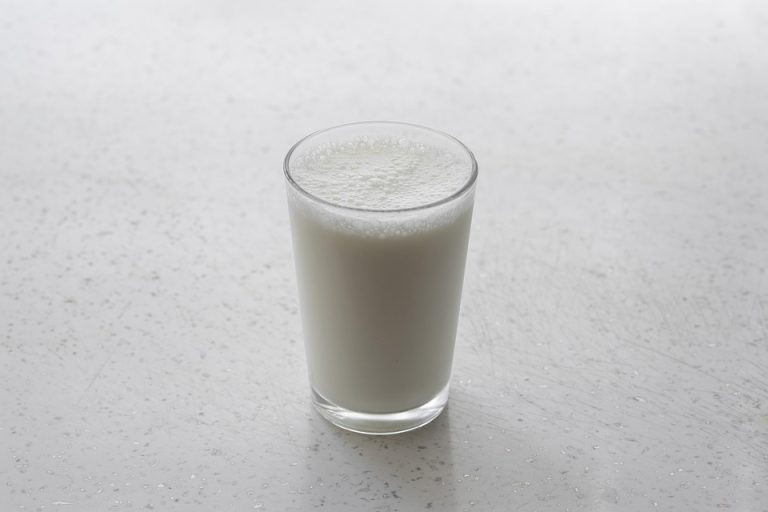
Water is involved in almost every bodily function, from regulating temperature to lubricating joints and supporting cognitive function. Mild dehydration can lead to fatigue, headaches, and brain fog. While individual needs vary based on climate, activity level, and body size, making water your primary beverage is a foundational step toward healthy living. Keep a reusable water bottle with you throughout the day as a simple reminder to sip regularly.


Pillar 2: Movement as a Form of Celebration

Exercise shouldn’t feel like a punishment for what you ate; it should be a celebration of what your body can do. Physical activity is a cornerstone of healthy living, offering benefits that extend far beyond weight management. Regular movement improves cardiovascular health, boosts mood, enhances sleep quality, and strengthens bones and muscles.

Finding Joy in Movement

If you hate running, do not force yourself to run. The best exercise routine is the one you actually enjoy and can maintain consistently.

  • Cardiovascular Health: Brisk walking, swimming, cycling, or dancing get your heart rate up and improve endurance.
  • Strength and Stability: Resistance training, yoga, or bodyweight exercises help maintain muscle mass and bone density as you age.
  • Flexibility and Balance: Stretching and mobility work keep your joints healthy and reduce the risk of injury.

Aim for a mix of activities that fit your lifestyle. Even small bouts of movement—like taking the stairs, stretching during work breaks, or going for a 15-minute walk after dinner—add up significantly over time.


Pillar 3: The Underrated Value of Rest and Recovery

In our hustle culture, sleep is frequently treated as a negotiable luxury rather than a biological necessity. However, rest is just as important to healthy living as nutrition and exercise.

During sleep, your body repairs tissues, consolidates memories, regulates vital hormones, and clears out metabolic waste from the brain. Chronic sleep deprivation is linked to impaired immune function, mood disturbances, and reduced cognitive performance.

Tips for Better Sleep Hygiene

If you struggle with rest, try implementing a few simple wind-down habits:

  • Consistent Schedule: Go to bed and wake up at the same time every day, even on weekends.
  • Digital Sunset: Turn off screens (phones, tablets, televisions) at least 30 to 60 minutes before bed to reduce blue light exposure.
  • Cool and Dark Environment: Keep your bedroom cool, quiet, and dark to signal to your body that it is time for rest.
  • Wind-Down Routine: Read a book, take a warm bath, or practice gentle breathing exercises to transition from the busyness of the day.


Pillar 4: Cultivating Mental and Emotional Resilience

Physical health and mental health are deeply intertwined. Stress is a natural part of life, but when it becomes chronic, it can take a heavy toll on your physical body, contributing to inflammation, digestive issues, and fatigue. Embracing healthy living means learning how to manage stress and nurture your psychological well-being.

Simple Ways to Reduce Daily Stress

  • Mindfulness and Meditation: Taking just five minutes a day to sit quietly and focus on your breath can help calm the nervous system.
  • Journaling: Writing down your thoughts and feelings is a powerful way to process emotions and clear mental clutter.
  • Setting Boundaries: Protecting your time and energy by learning to say “no” to commitments that drain you is a vital act of self-care.
  • Connecting with Others: Strong social connections are consistently linked to greater longevity and happiness. Make time for friends, family, or community groups that lift you up.


Key Takeaways

  • Progress Over Perfection: Healthy living is a lifelong journey, not a destination or a rigid set of rules. Small, sustainable habits yield the best long-term results.
  • Holistic Wellness: Focus on a balanced approach that includes nourishing foods, enjoyable movement, quality sleep, and mental well-being.
  • Listen to Your Body: Every individual is unique. Pay attention to how different foods, activity levels, and rest schedules make you feel, and adjust accordingly.
  • Consistency Wins: Doing a little bit every day is far more effective than trying to overhaul your entire lifestyle all at once.


Frequently Asked Questions (FAQs)

1. How do I start a healthy lifestyle if I am completely out of shape?

Begin with one micro-habit. Instead of trying to change your diet and start a daily workout routine simultaneously, pick one small change—such as drinking an extra glass of water each day or taking a 10-minute walk. Once that feels natural, add another small habit.

2. Do I need to cut out carbs or sugar entirely to be healthy?

No. Restrictive diets often lead to feelings of deprivation and burnout. A balanced approach to healthy living allows for all foods in moderation. Focus on adding nutrient-dense whole foods to your plate rather than obsessing over what to eliminate.

3. How much sleep do I actually need?

Most adults require between 7 to 9 hours of quality sleep per night for optimal physical and mental recovery. However, individual needs can vary. The best indicator is how you feel during the day: if you feel alert and rested, you are likely getting enough sleep.

4. What is the best type of exercise for overall wellness?

The best exercise is the one you enjoy and can maintain consistently. A well-rounded routine typically includes a combination of cardiovascular activity, strength training, and flexibility work, tailored to your personal preferences and physical condition.

5. How can I stay motivated when starting new wellness habits?

Motivation naturally fluctuates. Instead of relying solely on motivation, focus on building identity-based habits and systems. Set clear, realistic goals, track your progress, and remember your “why.” When motivation dips, discipline and simple routines will keep you moving forward.

Related Posts

healthy habits
September 1, 2026
5 Healthy Habits That Might Actually Be Doing More Harm Than Good

In today’s fast-paced world, achieving optimal well-being often feels like chasing a moving target. Everywhere we look, we are bombarded with conflicting advice about the newest superfoods, extreme workout routines, and strict lifestyle overhauls. It is easy to feel overwhelmed, leading many of us to abandon our wellness goals before we even begin. However, true wellness is rarely the result of a sudden, dramatic transformation. Instead, it is built quietly, day by day, through the consistent practice of healthy habits. At The Health Care, we believe that taking charge of your health should feel empowering, not exhausting. Small, sustainable changes can compound over time to create profound improvements in your physical vitality and mental clarity. Let’s explore how you can cultivate a balanced lifestyle using realistic, evidence-based strategies. What Are Healthy Habits and Why Do They Matter? Before diving into specific routines, it helps to understand the psychology behind personal well-being. Healthy habits are automatic behaviors that positively influence your physical, mental, and emotional state. When an action becomes a habit, it requires less conscious mental effort to execute. Think about how you brush your teeth every morning; you do not have to debate with yourself about whether to do it. It is simply part of your routine. By applying this same automatic approach to nutrition, movement, and rest, you remove the daily friction of decision-making. Research shows that repeated behaviors create strong neural pathways in the brain. Over time, these routines support immune function, reduce stress, and improve long-term …

wellness
August 31, 2026
Sleep & Recovery

In a world that glorifies busy schedules and non-stop productivity, taking care of your health often feels like just another chore on an endless to-do list. Between work deadlines, family responsibilities, and the constant hum of digital notifications, it is easy to put your personal well-being on the back burner. However, true health is not about radical overhauls, expensive supplements, or grueling workouts that leave you exhausted. Instead, wellness is an ongoing, dynamic journey of making choices that lead toward a more balanced, fulfilling, and healthy life. Welcome to The Health Care, your trusted resource for evidence-based lifestyle advice. In this article, we will explore what the concept truly means, look beyond physical fitness to encompass the whole person, and share practical, science-backed strategies you can use to cultivate daily wellness. What Does Wellness Really Mean? When people hear the word wellness, they often picture someone doing yoga on a beach or eating a plain green salad. While movement and nutrition are vital pieces of the puzzle, they only scratch the surface. According to major health organizations, wellness is an active process through which people make choices toward a more successful existence. Unlike health—which can be viewed simply as the absence of disease—wellness is multidimensional. It involves how we think, how we connect with others, how we handle stress, and how we find purpose in our daily routines. The Core Pillars of Well-Being To understand how to live a balanced life, it helps to break well-being down into its core …

healthy living
August 31, 2026
Joyful Movement: How to Find Exercise You Actually Look Forward To

In today’s fast-paced world, the pursuit of healthy living often feels like trying to hit a moving target. Between conflicting diet trends, demanding work schedules, and the pressure to maintain a picture-perfect lifestyle, it is easy to feel overwhelmed. Many people approach wellness with an "all-or-nothing" mindset—embarking on extreme juice cleanses or grueling workout regimens—only to burn out within a few weeks. However, true healthy living is not about perfection or rigid deprivation. Instead, it is a continuous, flexible journey built on small, sustainable daily choices. At The Health Care, we believe that wellness should enhance your life, not complicate it. By focusing on evidence-based fundamentals, you can build a resilient foundation for lifelong physical and mental well-being. Whether you are looking to boost your energy, manage stress, or simply feel more comfortable in your own skin, this guide will walk you through the core pillars of a balanced lifestyle. What Is Healthy Living, Really? Before diving into the specifics, it helps to define what healthy living actually means. Health is not merely the absence of disease. According to the World Health Organization, it is a state of complete physical, mental, and social well-being. This means your health is multi-dimensional. Focusing exclusively on what you eat while ignoring your mental health or sleep habits is like trying to build a house with only one wall. To achieve true balance, you need to nourish every aspect of your daily routine. Pillar 1: Fueling Your Body with Mindful Nutrition Food is information, …

healthy habits
August 31, 2026
The Single Most Overlooked Habit for Better Physical and Mental Health

In today’s fast-paced world, achieving optimal health can often feel like an uphill battle. Everywhere you look, there is a new diet trend, an intense workout program, or a miraculous wellness supplement promising overnight transformations. However, sustainable well-being is rarely found in extreme measures. True vitality is built on a foundation of consistent, everyday choices. Cultivating healthy habits is the most reliable way to support your physical, mental, and emotional health over the long term. Welcome to The Health Care, your trusted resource for evidence-based wellness guidance. In this article, we will explore practical, realistic strategies to help you build healthy habits that seamlessly fit into your daily routine. No drastic overhauls required—just small, intentional changes that yield meaningful results. Why Healthy Habits Matter Before diving into the "how," it helps to understand the "why." Human beings are creatures of routine. Research in behavioral psychology suggests that a significant portion of our daily actions are driven by habit rather than conscious decision-making. When you intentionally develop positive healthy habits, you reduce decision fatigue. You no longer have to muster the willpower every morning to make a nutritious choice or find time to move your body; it simply becomes part of who you are. Over time, these small behaviors compound, protecting your cardiovascular health, boosting your immune system, and enhancing your mental clarity. Pillar 1: Nourishing Your Body Mindfully Nutrition is often the first area people focus on when trying to improve their health, but it is also the most prone …

wellness
August 31, 2026
Nourish, Don’t Punish: Redefining Your Relationship with Food

In today’s fast-paced world, the definition of health often gets reduced to a simple number on a scale or the absence of a diagnosed illness. Turn on the television or scroll through social media, and you will be bombarded with quick fixes, extreme fitness challenges, and restrictive diets promising overnight transformations. But true wellness is rarely found in extremes. Instead, it is found in the quiet, consistent choices we make every single day. Welcome to The Health Care. In this article, we are stripping away the confusion of modern wellness culture and exploring what it genuinely means to live a balanced, healthy life. By understanding the foundational pillars of wellness, you can move away from exhausting trends and build sustainable habits that support your long-term vitality. What Is Wellness? Beyond the Physical Body Many people use the terms "health" and "wellness" interchangeably, but there is an important distinction. Health is often viewed as a state of being—how your body functions at any given moment. Wellness, on the other hand, is an active, conscious process of making choices toward a fulfilling and healthy life. Think of wellness as a multidimensional puzzle. If you only focus on physical fitness while ignoring your mental health, stress levels, and emotional needs, the puzzle remains incomplete. Achieving a state of overall well-being requires looking at the whole person. The Core Dimensions of Wellness To understand how to nurture your well-being, it helps to break it down into key areas: Physical Wellness: Caring for your body …

healthy living
August 31, 2026
Beyond the Salad: Delicious Ways to Add More Whole Foods to Your Plate

In today’s fast-paced world, the pursuit of healthy living can often feel overwhelming. Between juggling work deadlines, family responsibilities, and the endless stream of notifications on our smartphones, taking care of our physical and mental well-being frequently slips to the bottom of the "to-do" list. However, embracing a wellness-oriented lifestyle does not require a complete life overhaul or a restrictive, all-or-nothing mindset. True vitality is built on small, consistent choices made day after day. Welcome to The Health Care. In this guide, we will explore practical, evidence-based strategies to help you incorporate sustainable habits into your routine, empowering you to live a more balanced, energetic life. Understanding Healthy Living: Beyond Diet and Exercise When most people think of wellness, they immediately picture kale salads and grueling gym sessions. While proper nutrition and physical movement are vital components, they only paint part of the picture. True well-being is holistic. It encompasses the interplay between: Physical nourishment and movement Mental and emotional resilience Restorative sleep Meaningful social connections By viewing wellness through a wider lens, you can create a flexible framework that supports your body and mind through every season of life. Pillar 1: Nourishing Your Body Mindfully Nutrition is the fuel that powers your daily adventures. Rather than chasing the latest fad diet, focus on building a sustainable, enjoyable relationship with food. Focus on Whole Foods The foundation of a balanced diet lies in minimally processed foods. These provide the essential vitamins, minerals, and antioxidants your body needs to function optimally. …