

As the earth completes another turn around the sun, our immediate environment undergoes a profound transformation. Temperatures fluctuate, daylight hours stretch or shrink, and the air quality shifts. While many of us eagerly anticipate the changing scenery, our bodies often experience a quiet jolt during these transitional phases. Seasonal shifts demand physiological and mental flexibility. Rather than viewing these weather and environmental changes as obstacles to your health goals, consider them an invitation to recalibrate your self-care practices. Aligning your daily habits with nature’s rhythms can bolster your immune system, stabilize your mood, and keep your energy levels steady year-round. This practical lifestyle guide explores actionable ways to harmonize your routine with seasonal changes, ensuring you thrive no matter what the thermometer reads. Why Seasonal Transitions Impact Your Biology Human beings are deeply connected to the natural world, even if we spend most of our time indoors. When seasons change, several biological systems work overtime to keep us in equilibrium: Circadian Rhythms: Shifts in daylight directly influence melatonin and serotonin production, altering sleep quality and mood. Immune Response: Changing temperatures and humidity levels can affect how respiratory tracts handle airborne particles, while indoor crowding during inclement weather increases germ exposure. Metabolic Needs: Our bodies naturally crave different nutrients and caloric densities depending on physical activity levels and thermal regulation needs. Recognizing these shifts is the first step toward proactive wellness. Here is how you can adapt your routine to support your body's changing demands. 1. Sync Your Plate with the …

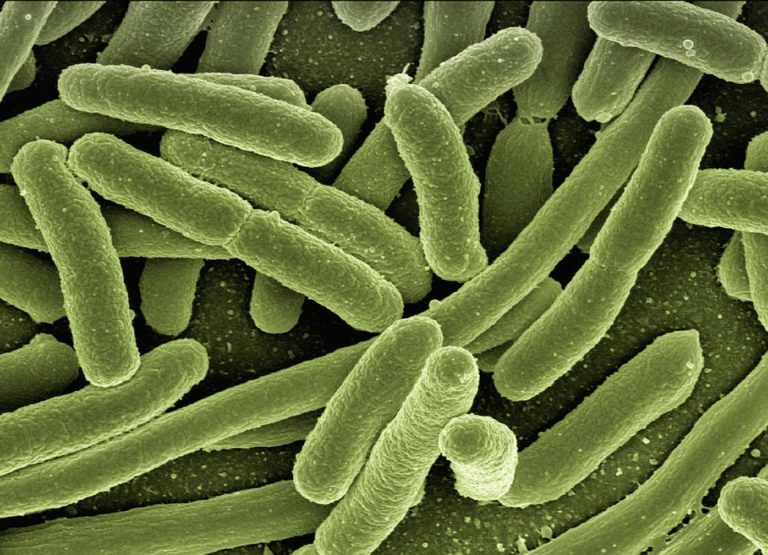
For many individuals, sitting down to a hearty meal of whole-wheat pasta, a side of fresh garlic bread, and a crisp apple sounds like the pinnacle of wholesome eating. Yet, for some people, this exact menu is followed uncomfortably soon by persistent bloating, abdominal cramping, and unexpected gas. While wheat and onions are staples of a varied kitchen, they share a common chemical trait that can challenge the digestive tract of certain individuals. Navigating digestive quirks often begins with looking closer at the complex carbohydrates we consume daily. Among these, short-chain carbohydrates known as fructans frequently play a hidden role in post-meal discomfort. Understanding how these plant compounds behave in the gut can help you make informed decisions about your plate without resorting to unnecessary or overly restrictive diets. What Are Fructans and Where Are They Found? Fructans are a type of oligosaccharide—specifically, chains of fructose molecules linked together with a glucose molecule at the end. Plants naturally produce fructans as a mechanism for energy storage and frost resistance. Because human digestive enzymes lack the specific capability to break down the chemical bonds holding these fructose chains together, fructans pass through the upper gastrointestinal tract largely unabsorbed. Once they reach the large intestine, resident gut bacteria eagerly ferment these carbohydrates. While bacterial fermentation is a normal and healthy part of digestion, fermenting large amounts of fructans can produce notable quantities of gas and draw extra water into the bowel. For individuals with sensitive digestive systems, this process can lead to …
When you hear the phrase "genetic risk," what comes to mind? For many people, it conjures images of unalterable destinies—a predetermined health script written in your cells that you can do nothing to change. However, modern genetics paints a far more empowering, nuanced picture. Understanding how your DNA influences your health is not about predicting a fixed future; rather, it is about gaining a high-resolution map of your body's tendencies. In this article, we will break down genetic risk explained through the lens of modern science, exploring how inherited variants work, why DNA is only part of the health equation, and how you can use genetic insights to make proactive wellness decisions. The Blueprint Analogy: What Does "Genetic Risk" Actually Mean? To understand genetic risk, it helps to move away from overly clinical definitions and use a practical analogy. Think of your entire genome as a massive, multi-volume set of architectural blueprints for building and maintaining a house. Standard Blueprints: Most pages in these blueprints are identical across all human beings. They dictate standard human features, such as having two arms, a beating heart, and cellular metabolism. Typographical Variations (SNPs): Scattered throughout these volumes are minor spelling differences known as Single Nucleotide Polymorphisms (SNPs). One person might have an "A" where another has a "G." The "Risk" Factor: Some of these typographical variations mean a specific room might be built with slightly weaker materials. For instance, a genetic variant might mean your cells process cholesterol a bit less efficiently than …
Practical insights, expert guidance, and simple tips to help you make healthier food choices.
Meta Description: Explore the world of dietary fats with The Health Care. Learn how to …
Meta Description: Discover how to use chia seeds for everyday nutrition. Learn smart preparation methods, …
When revamping a weekly menu for sustained energy, few pantry items offer the sheer reliability …
The Health Care
rusted Health Information for a Healthier Life
Welcome to The Health Care, an online health and medical information platform created to make healthcare knowledge easier to understand and access.
Related posts
Better Health Starts With Better Information
From understanding symptoms to learning about prevention and healthy living, The Health Care provides accessible medical information to help you become more informed about your health.
Find useful insights, practical ideas, and easy-to-follow tips to build healthier habits into your daily routine.
The Internet is full of information on the topic of losing weight. …
As the earth completes another turn around the sun, our immediate environment …
Looking for simple ways to improve your health? Explore 15 practical health …
Struggling to get quality sleep? Discover 8 simple sleep tips that can …
Discover Better Ways to Live
Explore practical guidance, expert-backed insights, and everyday inspiration to support a healthier, more balanced life.
In today’s fast-paced world, the pursuit of wellness often feels overwhelming. Everywhere you look, new wellness trends promise quick fixes, miracle diets, and total life overhauls in just seven days. But true healthy living is not about drastic restrictions or exhausting routines. Instead, it is about building small, sustainable habits that nourish your body, calm your mind, and support your overall quality of life over the long run. Welcome to The Health Care. In this guide, we are cutting through the noise. We will explore the foundational pillars of healthy living and how you can integrate evidence-based practices into your daily routine without feeling overwhelmed. What Does Healthy Living Really Mean? At its core, healthy living is a proactive approach to life that focuses on prevention, balance, and self-care. It recognizes that physical health, mental wellness, and emotional stability are deeply interconnected. When you eat a nutritious meal, you aren't just fueling your muscles; you are also supporting your brain health. When you sleep well, you are giving your immune system the tools it needs to protect you. Rather than aiming for perfection, healthy living is about consistency. It is about making choices today that your future self will thank you for. The Core Pillars of Healthy Living To build a balanced lifestyle, it helps to break wellness down into manageable components. Let’s explore the core pillars that support a thriving, healthy life. 1. Nourishing Your Body with Whole Foods Nutrition is often the first thing people think of when …
In today’s fast-paced world, the concept of wellness often gets buried under an avalanche of conflicting advice. From extreme morning routines that start at 4:00 AM to expensive superfood powders and complicated fitness regimens, pursuing a healthier lifestyle can quickly feel overwhelming. However, true wellness does not require perfection or a complete life overhaul. At its core, wellness is an active, ongoing process of making choices toward a healthy and fulfilling life. It is about understanding that your physical, mental, and emotional health are deeply interconnected. Welcome to The Health Care guide on modern wellness. In this article, we will cut through the noise and explore practical, evidence-based strategies to help you cultivate sustainable habits that support your overall well-being. What Is Wellness, Really? Before diving into how to improve your health, it helps to define what wellness actually means. The World Health Organization (WHO) defines health not merely as the absence of disease, but as a state of complete physical, mental, and social well-being. Wellness builds on this definition. It is self-directed and evolving. When you focus on wellness, you look at the big picture rather than just fixing a single symptom or problem. To make this concept easier to apply, experts often break wellness down into several key dimensions: Physical Wellness: Caring for your body through proper nutrition, adequate rest, and regular movement. Mental and Emotional Wellness: Managing stress, building emotional resilience, and nurturing a positive self-image. Social Wellness: Building healthy, supportive relationships and feeling connected to a …
The Internet is full of information on the topic of losing weight. You’ve had more than one weight loss attempt. Do you want to understand what is right for you and remove those extra pounds?