

Meta Description: Explore the world of dietary fats with The Health Care. Learn how to distinguish healthy lipids from less beneficial choices to support your daily wellness. When building a balanced eating pattern, dietary fats frequently spark confusion. Decades of shifting public health messaging have left many consumers wondering whether oils, butter, nuts, and avocados belong on their plates. Rather than viewing fats through an overly simplistic "good versus bad" lens, contemporary nutrition science emphasizes the type of fat consumed and its overall role in a well-rounded diet. Lipids serve critical biological functions, from building cell membranes to facilitating the absorption of fat-soluble vitamins. Understanding how to incorporate wholesome dietary fats can transform your approach to everyday nutrition, elevating both the flavor profile and the nutritional density of your meals. The Biological Importance of Dietary Lipids At a cellular level, lipids are indispensable. Unlike carbohydrates and proteins, which provide four calories per gram, fats pack nine calories per gram, making them the most concentrated source of energy in our food supply. Beyond fueling daily movement, these macronutrients act as protective padding for vital organs and play a major role in thermal regulation. Furthermore, fat acts as a vital transport vehicle for fat-soluble micronutrients—specifically vitamins A, D, E, and K. Without an adequate intake of dietary lipids, the human body struggles to absorb these essential compounds efficiently, which can compromise everything from immune response to bone health. Satiety and Metabolic Balance One of the most practical advantages of including dietary fats …
Meta Description: Explore the world of dietary fats with The Health Care. Learn how to distinguish healthy lipids from less beneficial choices to support your daily wellness.
When building a balanced eating pattern, dietary fats frequently spark confusion. Decades of shifting public health messaging have left many consumers wondering whether oils, butter, nuts, and avocados belong on their plates. Rather than viewing fats through an overly simplistic “good versus bad” lens, contemporary nutrition science emphasizes the type of fat consumed and its overall role in a well-rounded diet.
Lipids serve critical biological functions, from building cell membranes to facilitating the absorption of fat-soluble vitamins. Understanding how to incorporate wholesome dietary fats can transform your approach to everyday nutrition, elevating both the flavor profile and the nutritional density of your meals.
The Biological Importance of Dietary Lipids
At a cellular level, lipids are indispensable. Unlike carbohydrates and proteins, which provide four calories per gram, fats pack nine calories per gram, making them the most concentrated source of energy in our food supply. Beyond fueling daily movement, these macronutrients act as protective padding for vital organs and play a major role in thermal regulation.
Furthermore, fat acts as a vital transport vehicle for fat-soluble micronutrients—specifically vitamins A, D, E, and K. Without an adequate intake of dietary lipids, the human body struggles to absorb these essential compounds efficiently, which can compromise everything from immune response to bone health.
Satiety and Metabolic Balance
One of the most practical advantages of including dietary fats in your meals is their ability to promote satiety. Lipids slow down gastric emptying, meaning food stays in the stomach longer. This gradual digestive process triggers the release of satiety hormones, helping you feel comfortably full and satisfied long after finishing a meal. Balancing your plate with quality fats can naturally curb grazing behaviors and support stable energy levels throughout the day.
Decoding Fat Families: What Science Tells Us
Not all lipids behave the same way inside the human body. To curate a wholesome diet, it helps to understand the distinct structural characteristics and physiological effects of the primary fat categories.
Unsaturated Fats: The Liquid Assets
Unsaturated fats are typically liquid at room temperature and are predominantly found in plant sources and marine life. They are further divided into two subcategories:
- Monounsaturated Fatty Acids (MUFAs): These compounds feature a single double bond in their chemical structure. They are celebrated for their heart-healthy attributes and stable behavior during moderate cooking.
- Polyunsaturated Fatty Acids (PUFAs): Featuring multiple double bonds, this group includes essential fatty acids that the human body cannot manufacture independently, requiring them to come directly from dietary sources.
Saturated Fats: Moderation and Context
Saturated fats are typically solid at room temperature. Found heavily in animal products like red meat, butter, and full-fat dairy, as well as certain tropical plant oils like coconut and palm oil, these fats have been a subject of extensive nutritional debate. Current dietary guidelines suggest moderating saturated fat intake by prioritizing unsaturated options while keeping overall dietary patterns balanced.
Everyday Sources of Wholesome Dietary Fats
Integrating diverse lipid sources into your routine doesn’t require complex culinary skills. Small, intentional pantry and refrigerator swaps can dramatically improve the nutritional profile of your daily meals.
+————————+———————————-+————————————+
| Food Category | Primary Nutrient Profile | Simple Culinary Application |
+————————+———————————-+————————————+
| Cold-Water Fish | Omega-3 Polyunsaturated Fats | Baked salmon with herbs |
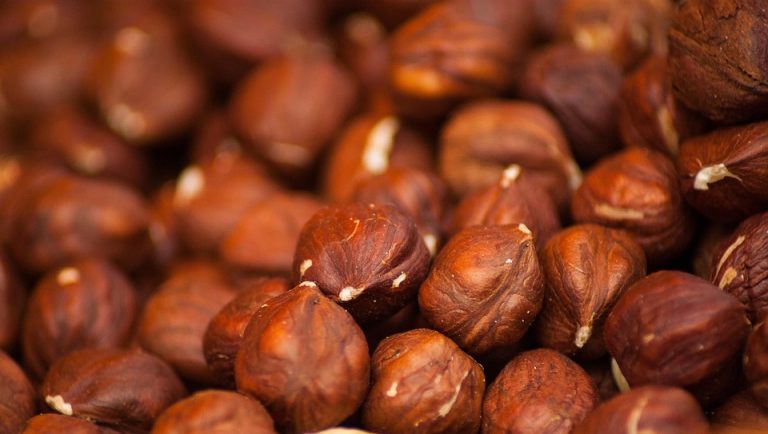
| Tree Nuts & Seeds | MUFAs, PUFAs, Plant Protein | Toasted pumpkin seeds over salads |
| Avocados | Monounsaturated Fats, Fiber | Smashed on whole-grain toast |
| Extra Virgin Olive Oil | Monounsaturated Fats, Antioxidants| Drizzled over roasted vegetables |
+————————+———————————-+————————————+
Plant-Based Oils and Their Ideal Uses
Selecting the right cooking oil depends heavily on its smoke point—the temperature at which the oil begins to break down and oxidize.
- Extra Virgin Olive Oil: Perfect for low-to-medium-heat sautéing, salad dressings, and finishing touches. Its robust flavor profile adds depth to savory dishes.
- Avocado Oil: Boasts a remarkably high smoke point, making it an excellent choice for roasting vegetables, stir-frying, and high-heat pan searing.
- Flaxseed Oil: Highly sensitive to heat and light, this oil should never be used for cooking. Instead, stir it into cold smoothies or drizzle it over grain bowls after preparation.
Strategic Meal Planning with Lipids
Crafting meals that feature balanced macronutrients ensures steady energy and culinary satisfaction. Here is how you can thoughtfully weave healthy fats into breakfast, lunch, and dinner.
Morning Fuel: Starting the Day Right
Begin your morning by pairing complex carbohydrates with healthy fats. For instance, spread a thick layer of natural almond butter onto sprouted grain toast, then top it with sliced banana and a sprinkle of hemp hearts. The combination of fiber, protein, and unsaturated fat provides sustained morning energy without a rapid blood sugar spike.
Midday Balance: Salad Enhancements
Raw greens can leave you hungry an hour later unless you anchor the meal with a satisfying fat source. Toss baby spinach, roasted chickpeas, and diced cucumbers with a homemade dressing crafted from extra virgin olive oil, lemon juice, and a touch of Dijon mustard. Add a few slices of fresh avocado or a handful of toasted walnuts to complete the meal.
Evening Nourishment: Hearty Dinners
When preparing evening meals, think about the interaction of flavors and textures. Searing wild-caught trout or mackerel in a skillet with a splash of avocado oil provides high amounts of beneficial omega-3 fatty acids. Serve alongside steamed broccoli florets tossed in toasted sesame oil and a scoop of wild rice for a deeply nourishing dinner.
Common Missteps When Managing Dietary Fats
Navigating nutritional changes can be tricky. Steering clear of common pitfalls helps ensure your approach remains balanced and sustainable.
- Falling for the “Low-Fat” Trap: For decades, food manufacturers replaced natural fats with excess sugars and refined starches to market products as “fat-free.” This often resulted in hyper-processed foods that lacked true satiety. Focus on whole-food sources rather than processed marketing labels.
- Overlooking Caloric Density: Because fats contain more than double the calories per gram compared to proteins and carbohydrates, portion awareness remains important. Even nutrient-dense items like nuts and oils can contribute to an unexpected caloric surplus if consumed in excessive quantities.
- Ignoring Smoke Points: Using delicate oils over extremely high heat can degrade their beneficial compounds and produce off-flavors. Match your cooking technique to the heat tolerance of your chosen fat.
Frequently Asked Questions
What is the difference between omega-3 and omega-6 fatty acids?
Both are essential polyunsaturated fats, meaning your body needs them to function but cannot produce them on its own. Omega-3 fats—found in fatty fish, walnuts, and flaxseeds—are widely studied for their role in supporting cellular health. Omega-6 fats—found in many plant oils, nuts, and seeds—are also necessary for health, but modern Western diets tend to contain a much higher ratio of omega-6 to omega-3 fats, making a balanced intake desirable.
Are plant-based fats always healthier than animal fats?
Not necessarily. While plant foods like avocados, olives, and nuts provide fantastic unsaturated fats, certain tropical plant oils like coconut oil are high in saturated fats. Conversely, some animal foods like salmon provide beneficial unsaturated fats. Context, overall dietary patterns, and moderation matter far more than blanket categorizations.
How can I tell if a cooking oil has gone rancid?
Unsaturated fats are sensitive to light, heat, and oxygen, which can cause them to oxidize and spoil. If an oil smells sour, bitter, or resembles stale paint or putty, it has likely gone rancid and should be discarded. Storing oils in dark, cool cupboards away from the stove extends their freshness.
Is it necessary to take a fat-soluble vitamin supplement if I eat fats?
Generally, a balanced diet rich in a variety of whole foods provides adequate vitamins. If you consume a mix of colorful vegetables, healthy proteins, and wholesome fats, your body can naturally absorb fat-soluble vitamins (A, D, E, and K) from your food. Supplementation should only be considered if a healthcare professional identifies a specific deficiency.
Can eating fats help with weight management?
Yes, in the context of a balanced diet. Because fats promote strong feelings of satisfaction and slow down digestion, including moderate amounts of healthy lipids in your meals can prevent overeating and reduce snacking between meals.
Disclaimer: Nutritional needs vary greatly from person to person based on activity level, genetics, and health status. Readers with medical conditions, allergies, or specific dietary requirements should consult a qualified healthcare professional or registered dietitian before making significant changes to their nutrition plan.