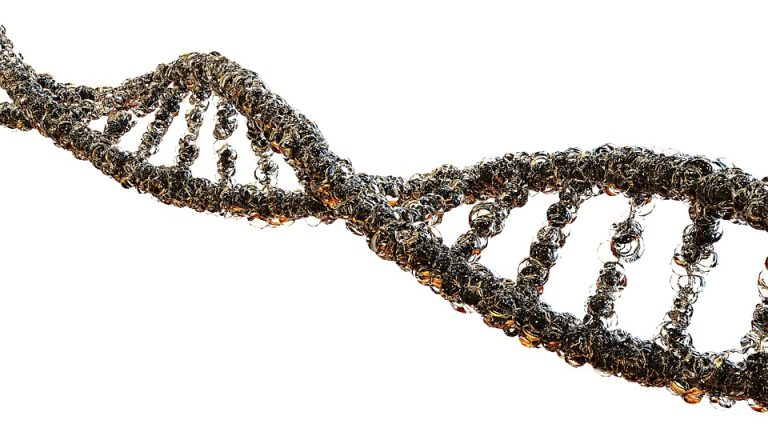


If you have ever stared at an architectural blueprint, you know it is just a set of instructions on paper. By itself, it cannot build a house, turn on the lights, or paint the walls. It requires workers, electricians, and carpenters to translate those 2D lines into a 3D structure. Your body operates in a remarkably similar fashion. The master blueprint is your DNA, safely locked away in the command center of nearly every cell in your body. But DNA does not do the heavy lifting on its own. It relies on a multi-step molecular assembly line to turn genetic code into functional flesh, bone, and enzymes. Understanding how this biological translation works is one of the most empowering steps you can take toward mastering your personal health. Let's break down the mechanics of genetics, explore how your biological instructions are read, and see why this microscopic choreography matters for your day-to-day wellness. The Master Library: Understanding Your Genome To appreciate how your body functions, imagine every cell in your body contains a massive, 46-volume encyclopedia set. This set is your genome. The Volumes: These are your chromosomes, tightly coiled packages of DNA. You inherited 23 volumes from your biological mother and 23 from your biological father. The Sentences: These are your genes. Scientists estimate humans have roughly 20,000 to 25,000 protein-coding genes. Each gene is a specific recipe for a particular job in the body—such as how to make insulin, how to construct collagen for your skin, or how …

Dietary sugar transforms into an unexpected source of distress for many individuals who experience post-meal bloating, cramping, or irregular bowel habits. While table sugar (sucrose) and lactose often receive the most attention in discussions about digestive health, another naturally occurring sugar frequently flies under the radar: fructose. When the small intestine struggles to efficiently absorb this simple fruit sugar, a condition known as fructose malabsorption can occur. Unlike a true food allergy that triggers an immune system response, fructose malabsorption is a digestive efficiency issue. Unabsorbed fructose travels further down the gastrointestinal tract, where resident gut bacteria ferment it, leading to uncomfortable gas and fluid shifts. Understanding how your digestive system handles specific carbohydrates can help you reclaim mealtime comfort without resorting to unnecessarily restrictive diets. What Is Fructose Malabsorption? Fructose is a monosaccharide, or simple sugar, found naturally in fruits, honey, root vegetables, and sweeteners like high-fructose corn syrup (HFCS). In a normally functioning digestive tract, specialized transport proteins—primarily one called GLUT5—help move fructose across the lining of the small intestine and into the bloodstream. In people with fructose malabsorption, these transport mechanisms operate less efficiently. Because the small intestine can only process a limited amount of fructose at a time, any excess sugar spills over into the large intestine (colon). Here, the normal gut microbiome rapidly ferments the unabsorbed carbohydrates. This fermentation process produces hydrogen and methane gases, along with short-chain fatty acids, which draw extra water into the bowel. The resulting gas buildup and fluid shifts explain …
Have you ever crawled into bed exhausted, only to find your brain replaying work emails, scheduling tomorrow’s errands, and analyzing a conversation from three years ago? You are far from alone. In our hyper-connected culture, the boundary between "doing" and "resting" has eroded, leaving many of us chronically fatigued yet wired come nighttime. True restorative sleep doesn't happen the moment your head hits the pillow. It is the final chapter of an intentional transition—an evening routine reset. By designing a predictable wind-down sequence, you can signal to your nervous system that it is safe to shift out of "fight or flight" mode and into parasympathetic rest. Here is how to construct a practical, personalized evening routine that helps you quiet mental noise, relax physical tension, and set the stage for deep, uninterrupted sleep. 1. The Digital Sunset: Why You Need a Screen Buffer The glowing rectangle in your hand is one of the greatest disruptors of modern biology. Smartphones, tablets, and laptops emit blue light, which tricks your pineal gland into halting melatonin production—the hormone responsible for regulating your sleep-wake cycle. Beyond biology, there is a psychological toll. Scrolling through news feeds, social media, or late-night work messages floods your brain with micro-stressors and dopamine hits, keeping your mind alert when it should be decelerating. The Fix: Implement a "digital sunset" 45 to 60 minutes before your target bedtime. Put your phone on "Do Not Disturb," dock it in another room, and switch to analog entertainment. Grab a physical book, …
Practical insights, expert guidance, and simple tips to help you make healthier food choices.
Meta Description: Discover how to navigate the grocery aisles with confidence, select the highest-quality ingredients, …
The Health Care
rusted Health Information for a Healthier Life
Welcome to The Health Care, an online health and medical information platform created to make healthcare knowledge easier to understand and access.
Related posts
Better Health Starts With Better Information
From understanding symptoms to learning about prevention and healthy living, The Health Care provides accessible medical information to help you become more informed about your health.
Find useful insights, practical ideas, and easy-to-follow tips to build healthier habits into your daily routine.
The Internet is full of information on the topic of losing weight. …
Have you ever crawled into bed exhausted, only to find your brain …
Looking for simple ways to improve your health? Explore 15 practical health …
Struggling to get quality sleep? Discover 8 simple sleep tips that can …
Discover Better Ways to Live
Explore practical guidance, expert-backed insights, and everyday inspiration to support a healthier, more balanced life.
When most people hear the word wellness, they immediately think of kale salads, grueling gym sessions, or sitting cross-legged on a yoga mat. While nutrition and exercise are certainly part of the equation, true wellness goes far deeper than physical appearance or eating clean. In today’s fast-paced world, modern life bombards us with constant notifications, professional pressures, and endless to-do lists. Amid this chaos, taking care of our overall wellness often falls by the wayside. We wait until burnout strikes, sleep deprivation sets in, or stress takes a physical toll before we decide to make a change. However, achieving lasting wellness is not about drastic overhauls or expensive cleanses. It is about building small, sustainable habits that nourish your mind, body, and spirit over time. Welcome to your comprehensive guide on cultivating practical, everyday wellness with insights brought to you by The Health Care. What Does Wellness Really Mean? According to the World Health Organization (WHO), health is not merely the absence of disease or infirmity, but a state of complete physical, mental, and social well-being. Expanding on this, wellness is an active, conscious process of making choices that lead toward a more successful, balanced, and fulfilling existence. Think of health as a destination (though a constantly shifting one), and wellness as the active journey of getting there. It is dynamic, multi-dimensional, and entirely personal. What works for a friend, colleague, or social media influencer might not work for you. Building a personalized wellness routine requires tuning into your own …
When you hear the word "wellness," what comes to mind? For many of us, it conjures up images of expensive green juices, flawless yoga poses on sandy beaches, or strict, restrictive diets. With the modern wellness industry generating trillions of dollars globally, it is easy to feel like true health is something you have to buy, or a rigid standard you have to constantly chase. At The Health Care, we believe it is time to redefine what wellness truly means. True wellness is not about perfection, rigid rules, or achieving an impossible aesthetic. Instead, it is an active, ongoing process of making choices toward a healthy and fulfilling life. It is about building a foundation of habits that support your physical body, calm your mind, and nurture your spirit—all within the realistic constraints of your busy daily routine. In this comprehensive guide, we will explore what wellness actually looks like, how the different dimensions of health connect, and practical, evidence-based steps you can take to cultivate lasting balance. What Does Wellness Really Mean? The World Health Organization (WHO) has long defined health not merely as the absence of disease or infirmity, but as a state of complete physical, mental, and social well-being. Building on this, wellness is the dynamic process of awareness and decision-making that leads toward a more balanced and conscious existence. Unlike quick fixes or short-term health trends, wellness looks at the bigger picture. It recognizes that you are a whole person. If you eat a perfectly balanced …
In today’s fast-paced world, the definition of health often gets reduced to a simple number on a scale or the absence of an obvious illness. Yet, true well-being goes far deeper. It encompasses how we feel when we wake up in the morning, how we manage the inevitable stress of daily life, and how connected we feel to our communities and purpose. Welcome to The Health Care, your trusted resource for evidence-based living. In this guide, we explore what wellness truly means in the modern era and how you can cultivate a balanced, vibrant lifestyle without falling for quick fixes or restrictive fads. What Is Wellness, Really? At its core, wellness is an active, ongoing process of making choices toward a healthy and fulfilling life. Unlike health, which can be viewed as a state of being at a given moment, wellness is about action, awareness, and continuous growth. The concept is rarely isolated to just one part of your routine. Instead, experts view it through a multidimensional lens. Recognizing these different facets can help you pinpoint areas of your life that might need a little extra care and attention. The Dimensions of Well-Being To achieve a balanced life, it helps to understand the core pillars that support overall vitality: Physical Wellness: Involves caring for your body through balanced nutrition, restorative sleep, regular movement, and routine medical checkups. Mental and Emotional Wellness: Encompasses your ability to cope with stress, process emotions, maintain a positive outlook, and seek support when needed. Social …