

October 18, 2026

* The Bloat is Real: How to Fix Your Digestion and Feel Like Yourself Again

It starts with a glass of bold red wine paired with aged sharp cheddar at a weekend gathering. Within an hour, your face feels remarkably flushed, a mild headache begins to throb behind your eyes, and a wave of unexpected nasal congestion sets in. For many people, these overlapping symptoms seem baffling and disconnected. They are not classic signs of a sudden food allergy, nor do they clearly point to a typical digestive upset. Instead, these reactions often trace back to a lesser-understood physiological puzzle: histamine intolerance. Unlike true immunological food allergies that trigger rapid, potentially life-threatening immune responses, histamine intolerance is fundamentally a metabolic issue. It occurs when the body struggles to break down dietary histamines efficiently, leading to a buildup that mimics various systemic and digestive complaints. Exploring how this chemical accumulates, recognizing the overlapping patterns of sensitivity, and navigating daily nutrition with balance can help demystify these confusing reactions. What Is Histamine and Why Does Intolerance Happen? Histamine is a naturally occurring organic compound known as a biogenic amine. Within the human body, it plays several vital regulatory roles. It acts as a neurotransmitter in the central nervous system, helps regulate stomach acid production, and serves as a key signaling molecule in the immune system’s inflammatory response. Under normal circumstances, the body manages dietary and internal histamines smoothly. Enzymes—most notably diamine oxidase (DAO) in the digestive tract and histamine-N-methyltransferase (HNMT) in tissues—rapidly break down histamines before they can trigger widespread effects. Histamine intolerance develops when there is …


healthy digestion
October 18, 2026

The Ghost in Your Genome: How Epigenetics is Rewriting the Rules of Medicine

When we talk about human health, we often focus on what we can see and control: the foods we eat, our daily exercise routines, and the stress we manage at work. Yet beneath the surface of every conscious choice lies an intricate, microscopic library: our genome. For decades, science has moved past the simplistic notion that we are entirely at the mercy of our DNA, or conversely, that our genes have zero bearing on our personal wellness. Instead, modern genetics reveals a dynamic partnership between inherited biological instructions and the world we inhabit. Understanding this relationship starts with exploring genetic variation—the tiny differences in our DNA sequences that make each of us completely unique and influence how our bodies navigate health, wellness, and disease. What is Genetic Variation, Really? To understand genetic variation, it helps to imagine the human genome as a massive, multi-volume instruction manual for building and maintaining a living body. This manual is written using an alphabet of just four chemical letters: Adenine (A), Cytosine (C), Guanine (G), and Thymine (T). Across all human beings, this instruction manual is remarkably similar—about 99.9% identical, to be exact. That remaining 0.1%, however, accounts for billions of individual "spelling differences" across our chromosomes. These spelling variations are what scientists call genetic variants or polymorphisms. The Recipe Book Analogy Think of genetic variation like different regional recipes for chocolate chip cookies. While every version of the recipe shares the core ingredients—flour, sugar, butter, and chocolate—slight alterations in amounts, baking temperatures, or …

genetics and disease
October 18, 2026

Fountain of Youth Found? Try These 7 Everyday Habits

Modern life demands constant motion. From early morning alarms to late-night screen time, our days are filled with stimulation, decisions, and digital pings. By the time evening arrives, many of us expect our minds and bodies to instantly switch gears from high productivity to deep, restorative sleep. Unfortunately, human biology doesn't feature an "off" switch. When you fail to consciously bridge the gap between your busy day and your bed, your nervous system remains stuck in a state of low-grade alertness. This article explores how crafting a thoughtful evening wind-down routine can transform your sleep quality, lower nighttime stress, and set the stage for better next-day energy. Why the Transition Period Matters Think of your evening routine as the runway for a plane. Just as a pilot cannot instantly land a jet without a gradual descent, you cannot expect your brain to crash from high-stress problem-solving directly into rapid eye movement (REM) sleep. Throughout the day, your body produces cortisol and adrenaline—stress hormones designed to keep you focused and responsive. For sleep to occur naturally, these hormone levels need to drop while melatonin (the sleep hormone) rises. A purposeful wind-down ritual signals to your autonomic nervous system that the threat is gone, the workday is finished, and it is safe to repair, rest, and digest. Without this cue, you may experience symptoms of "wired and tired" syndrome: lying in bed exhausted while your mind races through tomorrow’s to-do list. 4 Pillars of an Effective Evening Transition To build a routine …

healthy aging tips
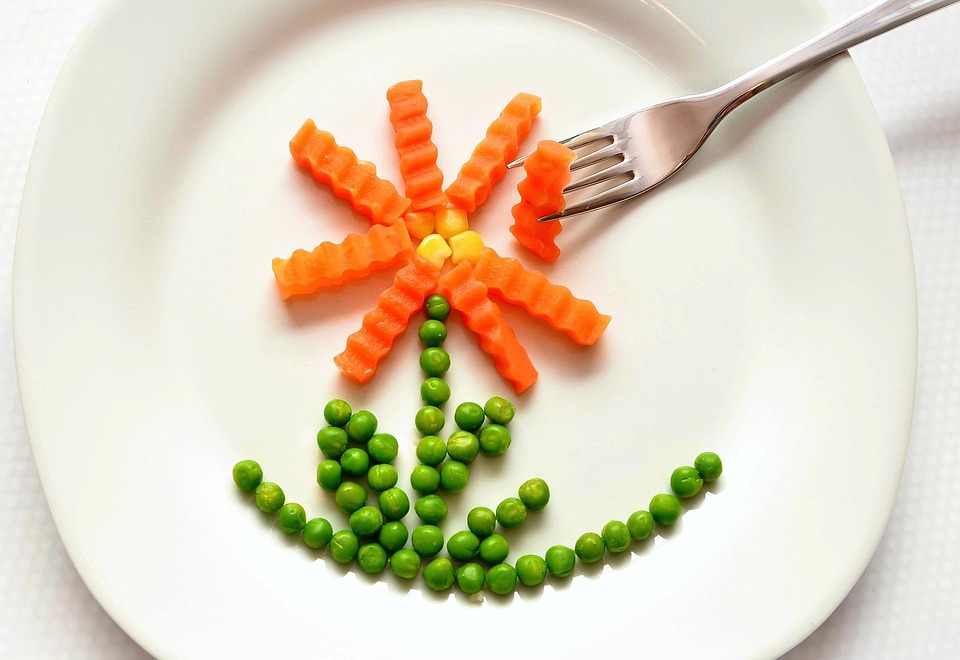
Nutrition & Healthy Eating

Practical insights, expert guidance, and simple tips to help you make healthier food choices.

The Health Care
rusted Health Information for a Healthier Life

Welcome to The Health Care, an online health and medical information platform created to make healthcare knowledge easier to understand and access.

The Health Care

Better Health Starts With Better Information

From understanding symptoms to learning about prevention and healthy living, The Health Care provides accessible medical information to help you become more informed about your health.

Everyday advice & health tips

Find useful insights, practical ideas, and easy-to-follow tips to build healthier habits into your daily routine.

home
Discover Better Ways to Live
Healthy habits and wellness insights

Explore practical guidance, expert-backed insights, and everyday inspiration to support a healthier, more balanced life.

wellness
Rated 5 out of 5
What Happens to Your Body When You Spend 15 Minutes in Nature Every Day

In today’s fast-paced world, the pursuit of health often feels like a full-time job. Between managing career demands, family responsibilities, and the endless stream of digital information, it is easy to feel overwhelmed. Everywhere you look, new fitness trends, restrictive diets, and miracle supplements promise instant transformations. However, true wellness is not about drastic overhauls or chasing perfection. Instead, it is a dynamic, lifelong journey of making intentional choices that support your physical, mental, and emotional health. Welcome to The Health Care guide on redefining wellness. In this article, we will explore what sustainable wellness actually looks like, how to build healthy habits that stick, and why small, everyday changes yield the most profound long-term results. Understanding True Wellness For generations, society measured health primarily by the absence of disease. If your lab results came back normal, you were considered "healthy." Today, however, health professionals view wellness through a much broader lens. Wellness is an active process of becoming aware of and making choices toward a healthy and fulfilling life. It is multidimensional, encompassing several interconnected areas: Physical Wellness: Nourishing your body through balanced nutrition, regular movement, and adequate rest. Mental and Emotional Wellness: Managing stress, cultivating emotional resilience, and maintaining a positive mindset. Social Wellness: Building meaningful relationships and fostering a strong sense of community and support. Environmental Wellness: Creating living and working spaces that promote safety, comfort, and peace. When one area of your life is neglected, the others often feel the strain. For example, chronic stress (mental) …

healthy habits
Rated 5 out of 5
How to Break Bad Habits and Replace Them with Good Ones

In today’s fast-paced world, the pursuit of wellness often feels like chasing a moving target. Everywhere we look, we are bombarded with conflicting advice: drink a gallon of water, eliminate entire food groups, wake up at 5:00 AM, or try the latest high-intensity fitness trend. It is easy to feel overwhelmed, leading many of us to abandon our wellness goals before they even truly begin. At The Health Care, we believe true wellness does not come from extreme overhauls or overnight transformations. Instead, it is built through the quiet, consistent power of healthy habits. Understanding how to form and maintain these routines is the cornerstone of long-term vitality. Rather than striving for perfection, sustainable health is about making small, incremental changes that seamlessly integrate into your daily life. Let’s explore the science of habit formation and practical ways to cultivate a healthier lifestyle without the burnout. The Psychology of Habit Formation To build lasting healthy habits, we first need to understand how the human brain creates routines. According to psychological research, habits are formed through a neurological loop consisting of three parts: a cue, a routine, and a reward. The Cue: A trigger that initiates the behavior (e.g., your alarm clock ringing). The Routine: The actual behavior or action you perform (e.g., lacing up your running shoes). The Reward: The positive reinforcement your brain receives, which solidifies the habit (e.g., the endorphin boost or a sense of accomplishment). When you try to change too many things at once, you overload …

wellness
Rated 5 out of 5
The Wellness Trends Worth Your Time (And the Ones to Skip)

In today’s fast-paced world, the pursuit of health often feels like a full-time job. Between managing career demands, family responsibilities, and the endless stream of digital notifications, it is easy to feel overwhelmed. Many of us wait until we are completely burnt out before paying attention to our personal well-being. However, true wellness is not about drastic lifestyle overhauls or achieving perfection. Instead, it is a continuous, dynamic journey of making small, intentional choices that support your mind, body, and spirit. Welcome to The Health Care. In this guide, we will explore what wellness truly means in the modern era, break down its core pillars, and provide practical, evidence-based strategies to help you cultivate a more balanced, fulfilling life. What is Wellness? Before diving into daily habits, it helps to define the term itself. Many people use the words "health" and "wellness" interchangeably, but there is a distinct difference. Health is generally viewed as a state of being—the absence of disease or illness. Wellness, on the other hand, is an active process of becoming aware of and making choices toward a healthy and fulfilling existence. According to the World Health Organization (WHO), health is "a state of complete physical, mental, and social well-being and not merely the absence of disease or infirmity." Therefore, pursuing wellness means looking at the big picture. It acknowledges that physical fitness is only one piece of the puzzle. Emotional stability, mental clarity, social connection, and environmental harmony all play vital roles in how you feel …

Newsletter Signup

Be the first to get our latest tips