

When evaluating a healthy diet, most attention goes straight to the grocery basket. We scan nutrition labels for protein grams, count fiber totals, and chase high-antioxidant superfoods. Yet, filling your plate with wholesome ingredients is only half the battle. What happens inside your digestive tract dictates how much of that nutritional bounty your body actually utilizes. Nutrient bioavailability—the rate and extent to which micronutrients are absorbed and made available for physiological use—is heavily influenced by the culinary company your food keeps. Certain compounds act as physiological keys, unlocking vitamins and minerals that might otherwise pass straight through your system unabsorbed. Conversely, other dietary pairings create roadblocks, binding to nutrients and hindering their uptake. Understanding how to orchestrate your meals isn't about rigid rules or complicated biochemistry. It is an intuitive culinary skill that transforms standard eating into optimal nourishment. By mastering a few foundational food synergies, you can effortlessly squeeze more value out of every single bite. The Chemistry of Culinary Synergy: Why Pairing Matters Every plant and animal food carries a complex internal ecosystem of compounds. Some are readily available to human digestive enzymes, while others require chemical assistance to cross the intestinal wall. When you combine specific foods in a single dish, you trigger natural biochemical interactions that can dramatically amplify your nutrient intake. Consider the journey of fat-soluble vitamins—specifically vitamins A, D, E, and K. These essential micronutrients require dietary fats to travel safely through the digestive tract. Without a lipid matrix to hitch a ride on, …
When evaluating a healthy diet, most attention goes straight to the grocery basket. We scan nutrition labels for protein grams, count fiber totals, and chase high-antioxidant superfoods. Yet, filling your plate with wholesome ingredients is only half the battle. What happens inside your digestive tract dictates how much of that nutritional bounty your body actually utilizes.
Nutrient bioavailability—the rate and extent to which micronutrients are absorbed and made available for physiological use—is heavily influenced by the culinary company your food keeps. Certain compounds act as physiological keys, unlocking vitamins and minerals that might otherwise pass straight through your system unabsorbed. Conversely, other dietary pairings create roadblocks, binding to nutrients and hindering their uptake.
Understanding how to orchestrate your meals isn’t about rigid rules or complicated biochemistry. It is an intuitive culinary skill that transforms standard eating into optimal nourishment. By mastering a few foundational food synergies, you can effortlessly squeeze more value out of every single bite.
The Chemistry of Culinary Synergy: Why Pairing Matters
Every plant and animal food carries a complex internal ecosystem of compounds. Some are readily available to human digestive enzymes, while others require chemical assistance to cross the intestinal wall. When you combine specific foods in a single dish, you trigger natural biochemical interactions that can dramatically amplify your nutrient intake.
Consider the journey of fat-soluble vitamins—specifically vitamins A, D, E, and K. These essential micronutrients require dietary fats to travel safely through the digestive tract. Without a lipid matrix to hitch a ride on, they struggle to dissolve in the watery environment of the gut. By simply introducing a drizzle of olive oil, a slice of avocado, or a sprinkle of seeds to your vegetable bowl, you completely alter the body’s ability to absorb those protective plant compounds.
This principle extends far beyond fats. Minerals like iron and zinc also rely on specific chemical partners to survive the hostile environment of the stomach and successfully enter the bloodstream.
Master Partnerships for Everyday Plate Building
You do not need a degree in food science to put these principles into practice. By weaving specific ingredient combinations into your routine, you naturally elevate the nutritional quality of your meals.
1. Vitamin C and Plant-Based Iron
Non-heme iron—the type found in beans, lentils, leafy greens, and whole grains—is notoriously difficult for the human body to absorb compared to the heme iron found in animal products. However, you can bridge this gap with a squeeze of citrus or a handful of bell peppers.
- The Science: Ascorbic acid (Vitamin C) acts as a powerful reducing agent that chemically alters non-heme iron into a more soluble, easily absorbed ferrous form.
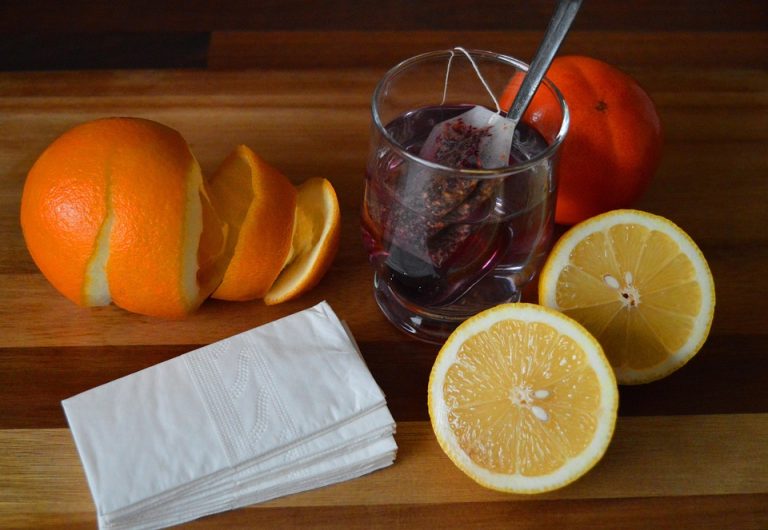
- In the Kitchen: Squeeze fresh lemon juice over a warm lentil salad, toss raw red bell pepper strips into a spinach-and-bean wrap, or splash apple cider vinegar over a kale and pumpkin seed bowl.
2. Healthy Fats and Fat-Soluble Carotenoids
Vibrant orange, red, and dark green vegetables owe their color to carotenoids like beta-carotene, lycopene, lutein, and zeaxanthin. These potent antioxidants are fiercely guarded by tough plant cell walls and require dietary fats to be efficiently assimilated.
- The Science: Dietary lipids stimulate the secretion of bile acids and pancreatic enzymes, creating mixed micelles that solubilize carotenoids so they can cross the brush border of the small intestine.
- In the Kitchen: Roast carrots and sweet potatoes in avocado oil, dress a raw tomato salad with extra virgin olive oil, or fold steamed broccoli florets into a warm dish with a spoonful of tahini.
3. Piperine and Plant Bioactives
Spices are not merely flavor enhancers; they are biochemical powerhouses. Black pepper contains an active alkaloid known as piperine, which has a fascinating knack for protecting other beneficial compounds from being rapidly broken down by the liver and gut wall.
- The Science: Piperine temporarily inhibits glucuronidation—a metabolic process that tags foreign compounds for elimination—thereby enhancing the systemic availability of various botanical nutrients.
- In the Kitchen: Always finish turmeric-spiced dishes, soups, and roasted vegetables with a generous twist of freshly ground black pepper.
Breaking Down Barriers: Managing Nutrient Antagonists
While positive pairings elevate your nutrition, certain natural compounds can temporarily put the brakes on absorption. Rather than eliminating these foods, a mindful approach to meal preparation and timing keeps your intake balanced.
Phytic Acid and Mineral Binding
Phytic acid (phytate) is found in the outer hulls of seeds, nuts, grains, and legumes. It serves as an evolutionary storage form of phosphorus for the plant, but in the human gut, it readily binds to minerals like iron, zinc, and calcium, forming insoluble complexes.
- Smart Prep Strategies: Traditional culinary techniques are remarkably effective at neutralizing phytates. Soaking beans overnight, sprouting grains, fermenting sourdough bread, or thoroughly roasting nuts and seeds activate endogenous enzymes called phytases that break down phytic acid long before it reaches your plate.
Oxalates and Calcium Interactions
Oxalic acid occurs naturally in spinach, Swiss chard, beetroot greens, and rhubarb. While these greens are packed with vitamins and minerals, oxalates can bind to calcium, temporarily reducing the absorption of that specific mineral from the food.
- Smart Prep Strategies: Cooking is an effective tool here. Briefly blanching or steaming high-oxalate greens and discarding the cooking water leaches out a portion of the oxalates. Furthermore, because oxalates only bind to calcium within the same meal, you can still enjoy your calcium-rich dairy or fortified plant milks at a separate meal or snack.
Designing Your Daily Menu with Synergy in Mind
Optimizing your eating patterns is an organic process. Instead of focusing on isolated ingredients, look at your plate as a complete ecosystem.
- At Breakfast: Stir ground flaxseeds and antioxidant-rich wild blueberries into warm oatmeal, adding a splash of full-fat coconut milk or dairy milk to ensure the fat-soluble compounds are utilized.
- At Lunch: Build a vibrant grain bowl using quinoa, roasted chickpeas, and shredded purple cabbage, dressed simply with extra virgin olive oil, sea salt, and a generous splash of fresh lime juice.
- At Dinner: Sauté dark leafy greens like kale in extra-virgin olive oil, season with garlic and turmeric, finish with cracked black pepper, and serve alongside a bright citrus-infused salad.
By shifting your perspective from single-ingredient nutrition to integrated meal design, you support your body’s natural ability to extract maximum vitality from wholesome, real food.
Frequently Asked Questions
Does cooking always destroy the nutrients in vegetables?
Not necessarily. While water-soluble vitamins like Vitamin C and certain B vitamins can leach into cooking water or degrade with prolonged high heat, cooking actually improves the availability of other nutrients. Heat softens tough plant cell walls, making minerals and fat-soluble antioxidants significantly easier for the digestive system to access. Steaming, roasting, and quick stir-frying are excellent ways to balance nutrient retention with improved digestibility.
Do I need to combine complementary proteins in every single meal?
Older dietary theories suggested that plant-based proteins had to be meticulously paired in the exact same sitting to form “complete proteins.” Modern nutritional science shows that the human liver maintains a pool of amino acids, allowing your body to mix and match proteins consumed throughout the course of the day. Eating a varied diet rich in grains, legumes, nuts, seeds, and vegetables naturally provides all essential amino acids over a 24-hour period.
Are dietary supplements subject to the same pairing rules?
Yes, often even more so. Fat-soluble vitamin supplements (such as Vitamin D3 or K2) should always be taken alongside a meal containing dietary fat to ensure proper absorption. Conversely, certain mineral supplements can compete with one another; for example, high doses of calcium can interfere with iron and zinc uptake if taken simultaneously. Always consult a healthcare professional for guidance tailored to your specific supplement routine.
Can poor food combinations cause immediate digestive distress?
For the vast majority of healthy individuals, standard food combinations do not cause severe digestive issues. While popular wellness culture often warns against mixing certain food groups—such as proteins and carbohydrates—human digestive tracts produce a broad spectrum of enzymes designed to break down mixed meals simultaneously. Persistent digestive discomfort is more commonly linked to food intolerances, fiber volume changes, or eating too quickly rather than simple food pairing principles.
How does caffeine impact nutrient absorption?
Coffee and tea contain polyphenols known as tannins, which can bind to non-heme iron in the digestive tract and temporarily reduce its absorption. If you enjoy a morning cup of coffee or post-lunch tea, you do not need to give it up entirely; simply separate your caffeinated beverages from iron-rich meals by an hour or two to maximize your mineral intake.
Meta Description: Discover how strategic food combinations boost nutrient absorption. Learn simple pairings for vitamins, minerals, and everyday healthy eating.