

It starts with a glass of bold red wine paired with aged sharp cheddar at a weekend gathering. Within an hour, your face feels remarkably flushed, a mild headache begins to throb behind your eyes, and a wave of unexpected nasal congestion sets in. For many people, these overlapping symptoms seem baffling and disconnected. They are not classic signs of a sudden food allergy, nor do they clearly point to a typical digestive upset. Instead, these reactions often trace back to a lesser-understood physiological puzzle: histamine intolerance. Unlike true immunological food allergies that trigger rapid, potentially life-threatening immune responses, histamine intolerance is fundamentally a metabolic issue. It occurs when the body struggles to break down dietary histamines efficiently, leading to a buildup that mimics various systemic and digestive complaints. Exploring how this chemical accumulates, recognizing the overlapping patterns of sensitivity, and navigating daily nutrition with balance can help demystify these confusing reactions. What Is Histamine and Why Does Intolerance Happen? Histamine is a naturally occurring organic compound known as a biogenic amine. Within the human body, it plays several vital regulatory roles. It acts as a neurotransmitter in the central nervous system, helps regulate stomach acid production, and serves as a key signaling molecule in the immune system’s inflammatory response. Under normal circumstances, the body manages dietary and internal histamines smoothly. Enzymes—most notably diamine oxidase (DAO) in the digestive tract and histamine-N-methyltransferase (HNMT) in tissues—rapidly break down histamines before they can trigger widespread effects. Histamine intolerance develops when there is …
It starts with a glass of bold red wine paired with aged sharp cheddar at a weekend gathering. Within an hour, your face feels remarkably flushed, a mild headache begins to throb behind your eyes, and a wave of unexpected nasal congestion sets in. For many people, these overlapping symptoms seem baffling and disconnected. They are not classic signs of a sudden food allergy, nor do they clearly point to a typical digestive upset. Instead, these reactions often trace back to a lesser-understood physiological puzzle: histamine intolerance.
Unlike true immunological food allergies that trigger rapid, potentially life-threatening immune responses, histamine intolerance is fundamentally a metabolic issue. It occurs when the body struggles to break down dietary histamines efficiently, leading to a buildup that mimics various systemic and digestive complaints. Exploring how this chemical accumulates, recognizing the overlapping patterns of sensitivity, and navigating daily nutrition with balance can help demystify these confusing reactions.
What Is Histamine and Why Does Intolerance Happen?
Histamine is a naturally occurring organic compound known as a biogenic amine. Within the human body, it plays several vital regulatory roles. It acts as a neurotransmitter in the central nervous system, helps regulate stomach acid production, and serves as a key signaling molecule in the immune system’s inflammatory response.
Under normal circumstances, the body manages dietary and internal histamines smoothly. Enzymes—most notably diamine oxidase (DAO) in the digestive tract and histamine-N-methyltransferase (HNMT) in tissues—rapidly break down histamines before they can trigger widespread effects.
Histamine intolerance develops when there is a functional imbalance. If histamine intake exceeds the body’s breakdown capacity, or if enzyme production is compromised, the compound accumulates in the bloodstream. This threshold effect explains why someone might tolerate a small amount of aged cheese or fermented food without issue, yet experience pronounced discomfort after consuming multiple high-histamine items in a single meal.
The Complex Web of Symptoms
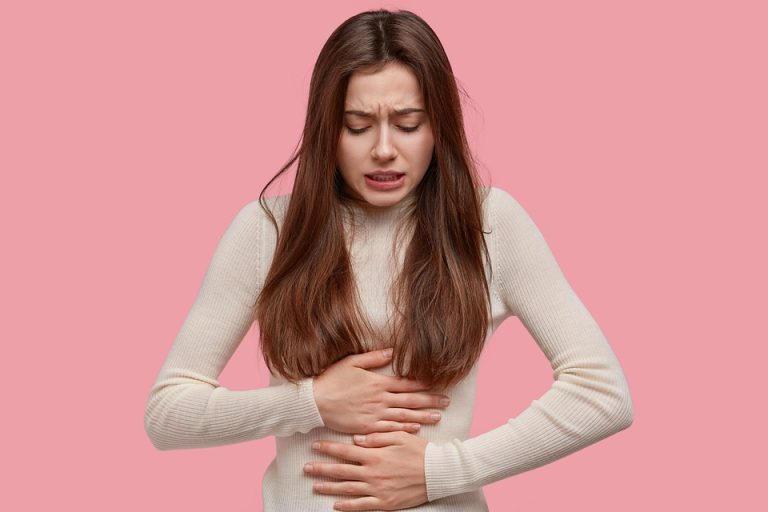
Because histamine receptors are located throughout the body—including the gastrointestinal tract, skin, cardiovascular system, and brain—the clinical picture of histamine intolerance is remarkably diverse. Symptoms rarely stay confined to a single bodily system.
Commonly reported manifestations include:
- Digestive discomfort: Bloating, cramping, gas, and irregular bowel habits after consuming fermented or aged foods.
- Skin reactions: Sudden facial flushing, hives (urticaria), itching, or a sensation of warmth.
- Neurological signs: Throbbing headaches, migraines, or a feeling of lightheadedness.
- Respiratory symptoms: Nasal congestion, runny nose, or mild wheezing that occurs independently of seasonal allergies or colds.
- Cardiovascular shifts: Temporary increases in heart rate or blood pressure fluctuations following a meal.
Because these signs overlap significantly with other conditions—such as irritable bowel syndrome, mast cell activation, or seasonal allergies—pinpointing the exact cause requires careful observation rather than immediate self-diagnosis.
Food Allergic Response vs. Intolerance vs. Sensitivity
In everyday conversations, terms like “allergy,” “intolerance,” and “sensitivity” are frequently swapped, but they represent entirely distinct biological mechanisms:
- Food Allergy: A classic immune-mediated reaction involving IgE antibodies. Even trace amounts of the trigger food can provoke rapid, severe responses like swelling, hives, breathing difficulties, or anaphylaxis.
- Food Intolerance: A non-immunological metabolic issue. It typically stems from the body’s inability to digest a food component properly, such as lacking lactase for dairy or having low DAO enzyme activity for histamines. Symptoms are dose-dependent and usually localized to digestion or metabolic buildup.
- Food Sensitivity: A broader, often debated term describing delayed, non-allergic reactions that may involve varied physical symptoms without classic antibody involvement.
When evaluating histamine issues, recognizing that it is an enzymatic overload rather than an immune attack helps set realistic expectations for management.
Identifying Potential Food Triggers and Patterns
Histamines are not added preservatives; they develop naturally over time, particularly as foods undergo microbial fermentation, aging, or protein breakdown. Consequently, fresh foods generally contain very low levels of histamine, while aged, cured, or fermented options contain high concentrations.
Common ingredients and products associated with elevated histamine levels include:
- Aged cheeses: Parmesan, cheddar, gouda, and blue cheese.
- Cured and processed meats: Salami, pepperoni, bacon, and smoked fish.
- Fermented foods and beverages: Sauerkraut, kimchi, kombucha, soy sauce, wine, and beer.
- Specific produce items: Tomatoes, spinach, eggplant, and avocados.
- Leftovers: Meats and cooked proteins left in the refrigerator over several days, as bacterial action increases histamine accumulation as food ages.
Because individual tolerance thresholds vary widely—some people react to a single aged food, while others handle moderate amounts—identifying personal triggers requires systematic observation.
Practical Observation and Dietary Strategies
If persistent, unexplained symptoms point toward a potential link with dietary histamine, navigating the situation requires a measured, sustainable approach rather than drastic, permanent food elimination.
Keeping a Focused Food and Symptom Diary
Tracking meals alongside physical sensations for two weeks can reveal patterns that memory often misses. Note portion sizes, preparation methods (such as whether a meal consisted of fresh ingredients or multi-day leftovers), and the timing of any discomfort.
Emphasizing Freshness and Food Variety
Rather than adopting an aggressively restrictive diet, the primary strategy involves focusing on fresh, minimally processed ingredients. Choosing freshly prepared meats, poultry, and fish, and consuming them promptly rather than storing them as leftovers, naturally reduces histamine exposure.
Avoiding Unnecessary Long-Term Restrictions
Prolonged, rigid elimination diets can inadvertently lead to nutritional deficiencies and an unnecessarily narrow relationship with food. Any structured dietary trial—such as a temporary low-histamine eating pattern designed to test symptom responsiveness—should ideally be undertaken with the guidance of a registered dietitian or healthcare professional to ensure dietary balance.
When to Consult a Healthcare Professional
Because overlapping symptoms can indicate diverse underlying health concerns—ranging from gastrointestinal disorders to true food allergies or cardiovascular issues—it is crucial not to assume histamine intolerance is the sole explanation for persistent discomfort.
Seek guidance from a qualified medical provider if you experience:
- Severe, worsening, or debilitating symptoms.
- Unexplained weight loss, persistent fever, or severe abdominal pain.
- Any signs pointing toward a true food allergy, such as swelling of the lips, tongue, or throat, or difficulty breathing.
A professional evaluation helps rule out other medical conditions and ensures an accurate, safe management plan tailored to your unique health profile.
Conclusion
Navigating histamine intolerance is less about strict dietary perfection and more about understanding your body’s metabolic thresholds. By recognizing how histamine accumulates, distinguishing between enzymatic overload and allergic responses, and prioritizing fresh, balanced meals, you can minimize unpredictable flare-ups while maintaining nutritional variety and culinary enjoyment.
Frequently Asked Questions
What is the primary difference between a histamine intolerance and a food allergy?
A food allergy involves the immune system producing IgE antibodies against a specific food protein, which can cause rapid and severe reactions. Histamine intolerance is a metabolic issue where the body lacks sufficient enzymes (like DAO) to break down dietary histamines, leading to a gradual buildup of symptoms that are typically dose-dependent.
Can histamine intolerance develop later in life?
Yes. While genetic factors can influence baseline enzyme production, histamine intolerance frequently manifests or worsens with age. Changes in gut health, chronic gastrointestinal inflammation, or the regular use of certain medications can gradually reduce the body’s DAO enzyme activity over time.
Are all fermented foods high in histamine?
Most fermented foods—such as aged cheeses, kimchi, sauerkraut, and alcoholic beverages—are high in histamine because the fermentation process relies on bacteria that produce biogenic amines. However, individual tolerance varies, and fresh, unfermented alternatives are generally well-tolerated.
Why do leftovers sometimes cause more symptoms than freshly cooked meals?
As cooked proteins sit in the refrigerator, harmless environmental bacteria multiply and break down amino acids, naturally increasing the histamine content of the food over time. Eating meals fresh or freezing portions immediately after cooking can significantly lower histamine levels.
Is histamine intolerance considered a permanent condition?
Not necessarily. In many cases, addressing underlying factors that contribute to gut inflammation or supporting overall digestive wellness can help improve the body’s tolerance or enzyme function, allowing for a broader range of foods over time with professional guidance.
SEO Meta Description: Explore histamine intolerance, learn how dietary triggers accumulate, discover the difference between allergies and enzyme issues, and find balanced management strategies.