

SEO Meta Description: Learn the differences between gluten sensitivity, celiac disease, and wheat intolerance. Discover how to navigate wheat-containing grains with balanced nutrition. The modern plate is built upon a foundation of grains, with wheat standing out as a cornerstone of global cuisine. From crusty artisan breads to morning bowls of cereal and evening pasta dishes, wheat has fed civilizations for millennia. However, for a growing segment of the population, consuming foods containing wheat or related grains brings about a cascade of uncomfortable physical reactions. When digestive distress or fatigue follows a meal containing pasta or pastries, it is easy to assume a generalized food issue is at play. In reality, reactions to wheat and its proteins are remarkably diverse. Navigating these culinary concerns requires looking beyond broad labels to understand the specific biological mechanisms that might be at work. The Spectrum of Wheat Reactions: Allergy, Intolerance, and Autoimmunity Not all adverse reactions to grain are cut from the same cloth. In clinical and nutritional discussions, experts generally categorize these reactions into three distinct buckets: true food allergies, autoimmune conditions, and non-celiac sensitivities. Conflating these categories can lead to either unnecessary dietary restrictions or, conversely, a dangerous lack of caution when medical oversight is required. Wheat Allergy A wheat allergy represents a classic immune system response. In this scenario, the body mistakenly identifies harmless proteins found in wheat as dangerous invaders, prompting the immune system to produce antibodies (specifically IgE). Onset: Symptoms usually appear rapidly—ranging from minutes to a couple …

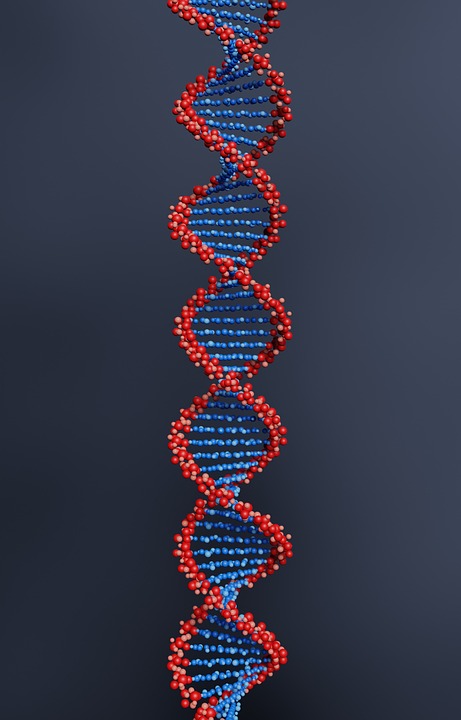
Have you ever wondered why you might have your mother’s sharp eye for detail while your sibling inherited your father’s musical pitch? Or why certain health conditions seem to run in specific family lines, skipping a generation only to reappear unexpectedly? The answers lie in a fascinating biological phenomenon known as genetic variation. Far from being a rigid blueprint that dictates every single aspect of who we are, human DNA is remarkably diverse. Genetic variation is the primary engine behind our uniqueness as individuals and a foundational concept in modern healthcare. For readers of The Health Care, understanding this concept is not just an exercise in biology—it is a vital step toward taking charge of your personal wellness, understanding your family health history, and engaging in more informed conversations with your physician. Let’s dive beneath the double helix to explore how genetic variation shapes our health, why our differences matter, and what this means for your daily life. What Is Genetic Variation, Really? To understand variation, we first need to look at the master manual: the human genome. Every human being shares about 99.9% of their DNA sequence with every other human on Earth. That remaining 0.1%, however, represents millions of individual genetic differences. Genetic variation refers to the natural differences in the DNA sequence among individuals within a population. These variations occur at various scales—from a single DNA building block changing to large segments of chromosomes being rearranged, duplicated, or deleted. Think of the human genome as a massive …
We live in a culture that glorifies the hustle. From early-morning productivity hacks to late-night screen time, pushing our limits has become a badge of honor. Yet, a quiet shift is happening in the world of health and wellness. People are finally starting to realize that true vitality isn’t just about how hard you work, train, or move—it’s about how well you recover. Welcome to the ultimate guide on intentional physical recovery. Whether you are an avid runner, a desk-bound professional battling chronic tight shoulders, or simply someone trying to feel less exhausted by Friday afternoon, giving your body the space to reset is non-negotiable. Let’s explore what physical recovery actually means, why your current routine might be falling short, and how to weave deep, restorative rest into your daily life without losing momentum. What Is Physical Recovery, Really? Many people mistake recovery for passivity—doing nothing, crashing on the couch, or sleeping. While sleep is the heavy lifter of restoration, active physical recovery is a deliberate physiological process. When you exercise, lift weights, or even maintain a static posture at a desk for eight hours, you create micro-stressors in your muscle fibers, joints, and nervous system. Recovery is the biological window where your body repairs that tissue, clears out metabolic waste, and rebuilds itself stronger than before. Without adequate recovery, you don't just stay sore; you enter a state of chronic low-grade inflammation, mental fatigue, and diminished returns in your daily energy and performance. Signs Your Body Is Begging for …
Practical insights, expert guidance, and simple tips to help you make healthier food choices.
Navigating the supermarket aisles can often feel like an overwhelming test of willpower and budgeting. …
The Health Care
rusted Health Information for a Healthier Life
Welcome to The Health Care, an online health and medical information platform created to make healthcare knowledge easier to understand and access.
Related posts
Better Health Starts With Better Information
From understanding symptoms to learning about prevention and healthy living, The Health Care provides accessible medical information to help you become more informed about your health.
Find useful insights, practical ideas, and easy-to-follow tips to build healthier habits into your daily routine.
The Internet is full of information on the topic of losing weight. …
We live in a culture that glorifies the hustle. From early-morning productivity …
Looking for simple ways to improve your health? Explore 15 practical health …
Struggling to get quality sleep? Discover 8 simple sleep tips that can …
Discover Better Ways to Live
Explore practical guidance, expert-backed insights, and everyday inspiration to support a healthier, more balanced life.
In today’s fast-paced world, the pursuit of health often feels like a full-time job. Between managing career demands, family responsibilities, and the endless stream of digital notifications, it is easy to feel overwhelmed. Many of us wait until we are completely burnt out before paying attention to our personal well-being. However, true wellness is not about drastic lifestyle overhauls or achieving perfection. Instead, it is a continuous, dynamic journey of making small, intentional choices that support your mind, body, and spirit. Welcome to The Health Care. In this guide, we will explore what wellness truly means in the modern era, break down its core pillars, and provide practical, evidence-based strategies to help you cultivate a more balanced, fulfilling life. What is Wellness? Before diving into daily habits, it helps to define the term itself. Many people use the words "health" and "wellness" interchangeably, but there is a distinct difference. Health is generally viewed as a state of being—the absence of disease or illness. Wellness, on the other hand, is an active process of becoming aware of and making choices toward a healthy and fulfilling existence. According to the World Health Organization (WHO), health is "a state of complete physical, mental, and social well-being and not merely the absence of disease or infirmity." Therefore, pursuing wellness means looking at the big picture. It acknowledges that physical fitness is only one piece of the puzzle. Emotional stability, mental clarity, social connection, and environmental harmony all play vital roles in how you feel …
In today’s fast-paced world, achieving optimal health can often feel like a complicated puzzle. Everywhere you look, there is a new trend, a restrictive diet, or an intense workout program promising overnight transformations. But true wellness is rarely built on extreme measures. Instead, sustainable well-being is the quiet result of daily choices—the small, consistent actions we take day after day. Welcome to The Health Care, your trusted resource for evidence-based wellness guidance. In this article, we explore the science of building healthy habits that stick. Rather than overhauling your entire lifestyle at once, we will look at how manageable, incremental changes can lead to profound, long-term improvements in your physical and mental health. What Are Healthy Habits, and Why Do They Matter? At its core, a habit is a routine behavior that is repeated regularly and tends to occur subconsciously. Healthy habits are specific behaviors that positively impact your physical, mental, and emotional health. When you rely solely on motivation to eat better, move more, or sleep soundly, you will eventually struggle. Motivation fluctuates based on stress, sleep, and mood. Habits, however, run on autopilot. Once a behavior becomes automatic, it requires far less mental energy to execute. Research in behavioral psychology shows that building routines gradually helps rewire the brain's neural pathways, making positive choices feel natural rather than forced. By focusing on sustainable healthy habits, you lay a strong foundation for lifelong vitality. Pillar 1: Nourishing Your Body Mindfully Nutrition is often the first area people try to …
When most people hear the word "wellness," they immediately think of green smoothies, grueling gym sessions, or expensive meditation retreats. Modern culture often sells wellness as a luxury product or a rigid set of rules that you must follow to achieve perfection. But true wellness is far more accessible, flexible, and personal than the wellness industry suggests. At its core, wellness is an active, ongoing process of making choices toward a healthy and fulfilling life. It is not a destination you reach and check off your list. Instead, it is a dynamic state of physical, mental, and social well-being that shifts and adapts as you move through different seasons of life. Welcome to The Health Care, your trusted resource for evidence-based health insights. In this article, we will explore what wellness truly means, how the different dimensions of wellness connect, and how you can build simple, sustainable habits to support your overall health. What Is True Wellness? The World Health Organization (WHO) defines health not merely as the absence of disease or infirmity, but as a state of complete physical, mental, and social well-being. Expanding on this, wellness is the conscious integration of your mind, body, and spirit. Historically, society viewed health through a very narrow lens: if you weren't sick, you were healthy. Today, we understand that human beings are complex systems. How you sleep, how you manage stress, how you connect with others, and how you find purpose in your day all play a massive role in your …