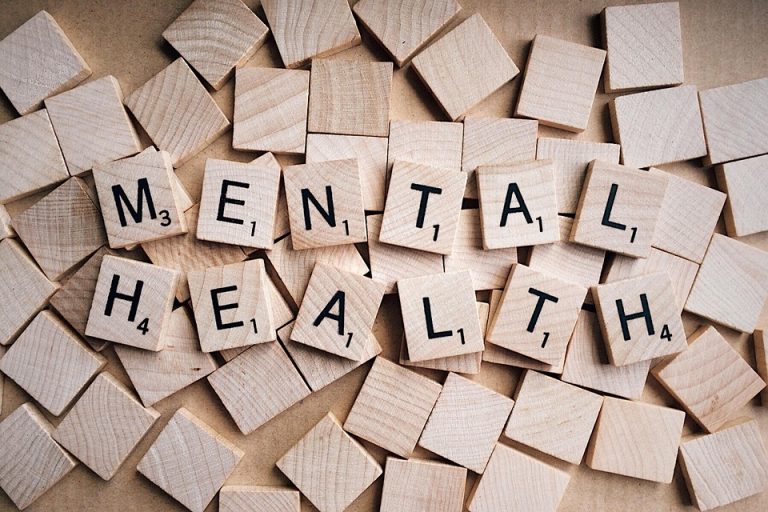






In today’s fast-paced world, the pursuit of health often feels like a full-time job. Between conflicting diet trends, high-intensity workout regimens, and the constant hum of digital notifications, it is easy to feel overwhelmed. Many people believe that achieving true vitality requires a complete lifestyle overhaul. However, sustainable wellness is rarely built on drastic, overnight changes. Instead, it is the quiet result of small, intentional daily habits that compound over time. Welcome to The Health Care. In this guide, we explore what wellness truly means in the modern era, moving beyond the simple absence of illness to embrace a vibrant, balanced state of physical, mental, and emotional health. What is True Wellness? When most people think about health, they picture a visit to the doctor's office or stepping on a scale. While clinical health is vital, wellness is a much broader, more dynamic concept. The World Health Organization (WHO) defines health as a state of complete physical, mental, and social well-being, not merely the absence of disease or infirmity. Wellness is the active process of making choices toward a healthy and fulfilling existence. It is multi-dimensional, meaning that neglecting one area of your life—such as sleep or social connection—can eventually impact your overall vitality. The Core Pillars of Daily Wellness To understand how to cultivate a balanced lifestyle, it helps to break wellness down into its foundational pillars: Physical Wellness: Nourishing your body with whole foods, staying hydrated, engaging in regular movement, and getting restorative rest. Mental Wellness: Engaging your …
In today’s fast-paced world, the pursuit of health often feels like a full-time job. Between conflicting diet trends, high-intensity workout regimens, and the constant hum of digital notifications, it is easy to feel overwhelmed. Many people believe that achieving true vitality requires a complete lifestyle overhaul. However, sustainable wellness is rarely built on drastic, overnight changes. Instead, it is the quiet result of small, intentional daily habits that compound over time.
Welcome to The Health Care. In this guide, we explore what wellness truly means in the modern era, moving beyond the simple absence of illness to embrace a vibrant, balanced state of physical, mental, and emotional health.
What is True Wellness?
When most people think about health, they picture a visit to the doctor’s office or stepping on a scale. While clinical health is vital, wellness is a much broader, more dynamic concept.
The World Health Organization (WHO) defines health as a state of complete physical, mental, and social well-being, not merely the absence of disease or infirmity. Wellness is the active process of making choices toward a healthy and fulfilling existence. It is multi-dimensional, meaning that neglecting one area of your life—such as sleep or social connection—can eventually impact your overall vitality.
The Core Pillars of Daily Wellness
To understand how to cultivate a balanced lifestyle, it helps to break wellness down into its foundational pillars:
- Physical Wellness: Nourishing your body with whole foods, staying hydrated, engaging in regular movement, and getting restorative rest.
- Mental Wellness: Engaging your mind, managing stress effectively, and maintaining curiosity and a lifelong learning mindset.
- Emotional Wellness: Acknowledging and processing your feelings, building resilience, and maintaining a positive yet realistic outlook on life.
- Social Wellness: Fostering meaningful relationships, setting healthy boundaries, and feeling a sense of belonging in your community.
- Environmental Wellness: Creating living and working spaces that promote safety, calm, and health.
Nourishing the Body: Nutrition and Movement
Physical vitality serves as the anchor for all other forms of wellness. Without a strong physical foundation, it becomes difficult to focus, manage stress, or enjoy daily activities. Fortunately, caring for your body does not require restrictive diets or grueling gym sessions.
Mindful Eating for Sustainable Energy
Food is information, fuel, and building blocks for your cells. Rather than focusing on what to restrict, a modern approach to nutritional wellness emphasizes inclusion and mindfulness.
- Prioritize Whole Foods: Build your plate around colorful vegetables, fruits, lean proteins, healthy fats, and whole grains. These foods provide the micronutrients and fiber necessary for optimal biological function.
- Hydrate Consistently: Water supports digestion, cognitive function, and temperature regulation. Keep a reusable water bottle nearby as a visual cue to drink throughout the day.
- Practice Mindful Eating: Slowing down during meals allows your brain to register fullness cues and improves digestion. Try putting your fork down between bites and minimizing screen time while eating.
Finding Joy in Movement
Exercise should not feel like a punishment for what you ate. Physical wellness thrives when movement is enjoyable and sustainable. The key is consistency over intensity.
- Find Your Activity: Whether it is brisk walking, swimming, yoga, dancing, or weightlifting, choose activities you genuinely look forward to.
- Incorporate “Movement Snacks”: If you sit at a desk all day, take short, five-minute movement breaks every hour to stretch, walk around, or do light bodyweight squats.
- Listen to Your Body: Rest is just as important as exertion. Pushing through chronic fatigue can lead to injury and burnout. Honor your body’s need for recovery days.
Cultivating Mental and Emotional Wellness
In our hyper-connected society, mental fatigue is a common hurdle on the path to wellness. Protecting your cognitive energy and emotional health requires active boundaries and intentional self-care practices.
The Power of Restorative Sleep
Sleep is not a luxury; it is a biological necessity. During deep sleep, the brain clears out metabolic waste, consolidates memories, and repairs tissue. Chronic sleep deprivation can negatively impact immune function, mood, and metabolic health.
To support better sleep hygiene for daily wellness, consider these evidence-based strategies:
- Maintain a Consistent Schedule: Go to bed and wake up at the same time every day, even on weekends.
- Create a Digital Curfew: Turn off screens at least 60 minutes before bedtime to reduce exposure to blue light and stimulating content.
- Optimize Your Sleep Environment: Keep your bedroom cool, dark, and quiet.
Stress Management Techniques
Stress is a normal part of the human experience, but chronic, unmanaged stress keeps the nervous system in a constant “fight or flight” state. Over time, this wears down physical and mental wellness.
- Breathwork: Slow, diaphragmatic breathing signals the vagus nerve to activate the parasympathetic nervous system, lowering heart rate and promoting calm.
- Mindfulness and Meditation: Spending just five to ten minutes a day focusing on the present moment can reduce anxiety and improve emotional regulation.
- Journaling: Writing down your thoughts and concerns can help process complex emotions and clear mental clutter.
Building Lasting Habits for Long-Term Vitality
One of the most common pitfalls in personal growth is trying to change everything at once. You might start a new diet, wake up an hour earlier, commit to daily meditation, and join a gym all on a Monday. By Wednesday, exhaustion sets in, and by Sunday, the routine collapses.
True wellness is built through micro-habits—tiny, manageable changes that integrate seamlessly into your existing routine.
The Art of Habit Stacking
Popularized by behavioral researchers, habit stacking involves pairing a new habit you want to build with an existing habit you already do automatically. For example:
- After I pour my morning coffee (existing habit), I will write down three things I am grateful for (new habit).
- After I brush my teeth at night (existing habit), I will do two minutes of gentle stretching (new habit).
By lowering the barrier to entry, you make it much easier for your brain to adopt and maintain healthy behaviors over the long term.
Key Takeaways
- Wellness is Multi-Dimensional: It encompasses physical, mental, emotional, and social health, requiring balance across all areas.
- Small Changes Compound: Sustainable vitality comes from consistent, micro-habits rather than drastic overnight transformations.
- Prioritize Sleep and Stress Management: Rest and nervous system regulation are just as important as diet and exercise.
- Find Joy in Movement: Choose physical activities that you genuinely enjoy to maintain long-term consistency.
- Practice Self-Compassion: The journey of wellness is not linear; approach setbacks with curiosity and kindness rather than judgment.
Frequently Asked Questions
1. What is the difference between health and wellness?
Health is often viewed as a state of being, referring to physical and mental condition at a given time. Wellness is an active, ongoing process of making choices and engaging in behaviors that lead toward a more balanced, fulfilling, and healthy existence.
2. How can I start my wellness journey if I feel overwhelmed?
Start small. Choose just one micro-habit to focus on for two weeks, such as drinking an extra glass of water each day or taking a ten-minute walk after lunch. Once that habit feels automatic, you can gradually introduce another.
3. How much sleep do I need for optimal wellness?
Most adults require between 7 to 9 hours of quality sleep per night. However, individual needs can vary based on age, lifestyle, and activity levels. The best indicator of sufficient sleep is waking up feeling refreshed and maintaining steady energy throughout the day.
4. Can mental wellness impact physical health?
Yes. The mind and body are deeply interconnected. Chronic stress, anxiety, and emotional distress can manifest physically, affecting immune function, digestion, cardiovascular health, and sleep quality.
5. Do I need expensive supplements to achieve wellness?
No. While certain supplements can support specific nutritional needs when recommended by a healthcare professional, foundational wellness relies on the basics: nutritious whole foods, adequate hydration, regular movement, restorative sleep, and meaningful social connections.