

Have you ever wondered why you might have your mother’s sharp eye for detail while your sibling inherited your father’s musical pitch? Or why certain health conditions seem to run in specific family lines, skipping a generation only to reappear unexpectedly? The answers lie in a fascinating biological phenomenon known as genetic variation. Far from being a rigid blueprint that dictates every single aspect of who we are, human DNA is remarkably diverse. Genetic variation is the primary engine behind our uniqueness as individuals and a foundational concept in modern healthcare. For readers of The Health Care, understanding this concept is not just an exercise in biology—it is a vital step toward taking charge of your personal wellness, understanding your family health history, and engaging in more informed conversations with your physician. Let’s dive beneath the double helix to explore how genetic variation shapes our health, why our differences matter, and what this means for your daily life. What Is Genetic Variation, Really? To understand variation, we first need to look at the master manual: the human genome. Every human being shares about 99.9% of their DNA sequence with every other human on Earth. That remaining 0.1%, however, represents millions of individual genetic differences. Genetic variation refers to the natural differences in the DNA sequence among individuals within a population. These variations occur at various scales—from a single DNA building block changing to large segments of chromosomes being rearranged, duplicated, or deleted. Think of the human genome as a massive …
Have you ever wondered why you might have your mother’s sharp eye for detail while your sibling inherited your father’s musical pitch? Or why certain health conditions seem to run in specific family lines, skipping a generation only to reappear unexpectedly?
The answers lie in a fascinating biological phenomenon known as genetic variation.
Far from being a rigid blueprint that dictates every single aspect of who we are, human DNA is remarkably diverse. Genetic variation is the primary engine behind our uniqueness as individuals and a foundational concept in modern healthcare. For readers of The Health Care, understanding this concept is not just an exercise in biology—it is a vital step toward taking charge of your personal wellness, understanding your family health history, and engaging in more informed conversations with your physician.
Let’s dive beneath the double helix to explore how genetic variation shapes our health, why our differences matter, and what this means for your daily life.
What Is Genetic Variation, Really?
To understand variation, we first need to look at the master manual: the human genome. Every human being shares about 99.9% of their DNA sequence with every other human on Earth. That remaining 0.1%, however, represents millions of individual genetic differences.
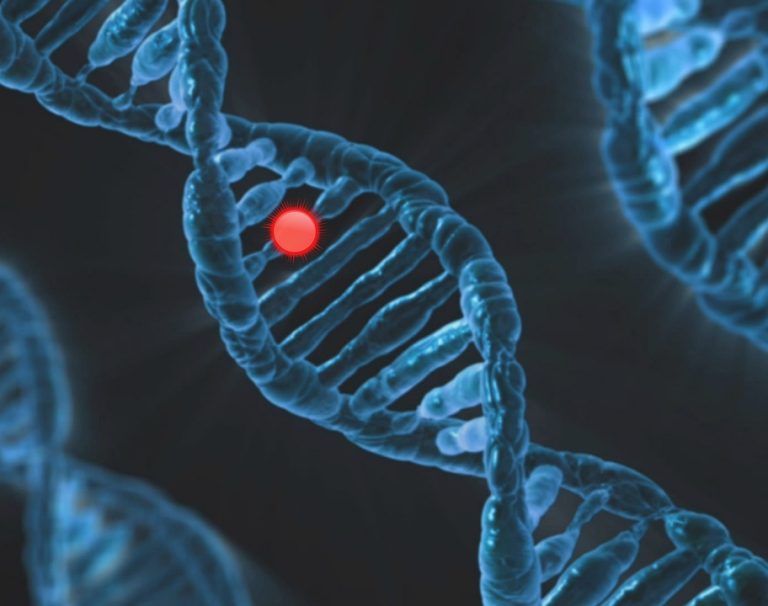
Genetic variation refers to the natural differences in the DNA sequence among individuals within a population. These variations occur at various scales—from a single DNA building block changing to large segments of chromosomes being rearranged, duplicated, or deleted.
Think of the human genome as a massive recipe book shared by all of humanity. While everyone’s book has the same general chapters (heart, lungs, brain, metabolism), the exact wording of individual recipes varies slightly from person to person. One person might have a recipe that calls for a pinch more salt (a metaphor for a heightened physiological response), while another has a variation that alters processing times entirely.
The Three Main Sources of Variation
How do these variations arise and persist across generations? They come down to three primary biological processes:
- Mutation: The ultimate source of all genetic novelty. Mutations are random changes in the DNA sequence that occur naturally during cell division or as a result of environmental factors (like UV radiation).
- Gene Flow: The transfer of genetic material from one population to another, typically through migration and intermarrying, which introduces new variations into local gene pools.
- Sexual Reproduction: The biological shuffle. When eggs and sperm form through meiosis, chromosomes swap segments in a process called crossing over. Combined with the random pairing of maternal and paternal chromosomes, this ensures that no two siblings (outside of identical twins) receive the exact same genetic deck of cards.
The Spectrum of Differences: From Eye Color to Health Risks
Not all genetic variations have the same impact. Some are entirely benign, influencing harmless traits like earlobe attachment, freckling, or whether cilantro tastes fresh or like soap. Others play a profound role in how our bodies process medications, fight off infections, or manage chronic health conditions.
Benign Polymorphisms vs. Pathogenic Variants
In genetics, scientists categorize variations based on their observable effects (phenotypes):
- Polymorphisms: These are common variations found in more than 1% of a population. They are generally normal variations that do not cause disease. For instance, the variations responsible for green or hazel eyes are common polymorphisms.
- Pathogenic Variants (Mutations): These are alterations in the DNA code that significantly increase a person’s risk of developing a specific disease or disorder.
It is crucial to note that having a pathogenic variant does not automatically mean a person will develop a condition. This brings us to a vital concept in health genetics: penetrance. Some genetic variations have high penetrance (meaning if you have the gene, you are very likely to develop the condition), while others have low penetrance, meaning the gene merely nudges the probability upward, acting more like a weather forecast than a strict decree.
Nature Meets Nurture: The Gene-Environment Interaction
One of the most common misconceptions in health is genetic determinism—the belief that “DNA is destiny.”
In reality, almost every aspect of human health is a complex dance between nature (our inherited genetic variations) and nurture (our environment, lifestyle, diet, stress levels, and exposure to toxins).
Analogy: Imagine your genetic variations as a set of blueprints for a house built in an earthquake-prone zone. The blueprints (genetics) determine the structural integrity and materials used. However, whether the house actually withstands a tremor depends heavily on external factors: how well it is maintained, the severity of the earthquake, and whether the occupants reinforced the foundation (environment and lifestyle).
For example, consider a person who inherits a genetic variation that affects how their body metabolizes certain fats. If that individual maintains a sedentary lifestyle and a diet high in processed foods, their genetic risk for cardiovascular issues may be amplified. Conversely, if they engage in regular aerobic exercise, eat a fiber-rich diet, and monitor their cholesterol, they can significantly mitigate that underlying risk.
Understanding your genetic variations empowers you to make proactive lifestyle choices tailored to your biological reality.
Why Genetic Variation Matters in Modern Healthcare
For decades, medicine operated on a “one-size-fits-all” model. Treatments were designed for the average patient, meaning a medication that worked brilliantly for 60% of the population might fail completely or cause adverse side effects in the remaining 40%.
Genetic variation is rapidly transforming healthcare into a personalized, precise science.
1. Pharmacogenomics: Medicine Tailored to Your DNA
Have you ever wondered why a standard dose of a prescription drug makes one person feel completely fine while making another violently ill? The answer often lies in genetic variations affecting drug-metabolizing enzymes in the liver. Pharmacogenomics is the study of how your genes affect your body’s response to medications. By identifying specific variations, doctors can prescribe the right drug at the right dose the first time, minimizing trial-and-error prescribing.
2. Proactive Disease Screening
Knowing which genetic variations run in your family allows healthcare providers to implement targeted screening schedules. If a family carries a known variant linked to hereditary conditions, individuals can begin routine screenings years earlier than the general population, catching potential issues at their earliest, most treatable stages.
Practical Takeaways: What You Can Do Today
You don’t need a degree in molecular biology to put the science of genetic variation to work for your health. Here are four practical steps you can take:
- Map Your Family Health History: Talk to your older relatives. Document patterns of chronic illnesses (such as heart disease, diabetes, autoimmune disorders, and cancers) across at least three generations. This is your personal window into inherited genetic variations.
- Discuss Findings with Your Physician: If you notice strong patterns in your family history, share this information during your next routine checkup. A primary care provider can help you assess whether formal genetic counseling or specialized screening is appropriate.
- Focus on Modifiable Factors: Remember that you cannot change the DNA you inherited, but you can control your environment and lifestyle. Prioritize sleep, manage stress, stay physically active, and eat a nutrient-dense diet to support your body’s physiological resilience.
- Approach Direct-to-Consumer Genetic Tests Wisely: If you choose to use commercial DNA testing kits, keep in mind that they often look at select markers and provide risk probabilities, not absolute diagnoses. Always interpret these results in consultation with a qualified medical professional or genetic counselor.
Frequently Asked Questions About Genetic Variation
Q: Are all genetic variations inherited from our parents?
A: No. While many variations are passed down from generation to generation (germline mutations), others occur spontaneously during the formation of reproductive cells or early embryonic development. These are known as de novo (new) mutations and are not present in either parent’s DNA.
Q: Can lifestyle choices alter my genetic code?
A: Your core DNA sequence (the sequence of A, T, C, and G nucleotides you were born with) does not change based on your lifestyle. However, lifestyle and environmental factors can influence epigenetics—chemical tags attached to your DNA that control whether specific genes are turned on or off.
Q: Is genetic variation the same thing as a genetic mutation?
A: In scientific terms, a mutation is a specific type of change in the DNA sequence. “Genetic variation” is a broader term that encompasses all differences in DNA sequences among individuals, including mutations, polymorphisms, and other structural genomic differences.
Q: If a disease runs in my family, is it guaranteed that I will get it?
A: Not necessarily. Unless a condition is caused by a highly penetrant, single-gene disorder (like Huntington’s disease), most common health conditions are multifactorial. This means they are influenced by a combination of multiple genetic variations and environmental factors. Having a genetic predisposition means your risk is higher, but it is not a guarantee.
Conclusion
Genetic variation is the vibrant thread that weaves human diversity together. It explains why we look different, why we respond uniquely to medications, and why health risks vary from person to person. Rather than viewing your DNA as a fixed script of doom or perfection, view it as a dynamic set of tendencies. By understanding your genetic background, communicating openly with your healthcare providers, and maintaining a health-conscious lifestyle, you can navigate your wellness journey with confidence, clarity, and empowerment.