

SEO Meta Description: Learn the differences between gluten sensitivity, celiac disease, and wheat intolerance. Discover how to navigate wheat-containing grains with balanced nutrition. The modern plate is built upon a foundation of grains, with wheat standing out as a cornerstone of global cuisine. From crusty artisan breads to morning bowls of cereal and evening pasta dishes, wheat has fed civilizations for millennia. However, for a growing segment of the population, consuming foods containing wheat or related grains brings about a cascade of uncomfortable physical reactions. When digestive distress or fatigue follows a meal containing pasta or pastries, it is easy to assume a generalized food issue is at play. In reality, reactions to wheat and its proteins are remarkably diverse. Navigating these culinary concerns requires looking beyond broad labels to understand the specific biological mechanisms that might be at work. The Spectrum of Wheat Reactions: Allergy, Intolerance, and Autoimmunity Not all adverse reactions to grain are cut from the same cloth. In clinical and nutritional discussions, experts generally categorize these reactions into three distinct buckets: true food allergies, autoimmune conditions, and non-celiac sensitivities. Conflating these categories can lead to either unnecessary dietary restrictions or, conversely, a dangerous lack of caution when medical oversight is required. Wheat Allergy A wheat allergy represents a classic immune system response. In this scenario, the body mistakenly identifies harmless proteins found in wheat as dangerous invaders, prompting the immune system to produce antibodies (specifically IgE). Onset: Symptoms usually appear rapidly—ranging from minutes to a couple …

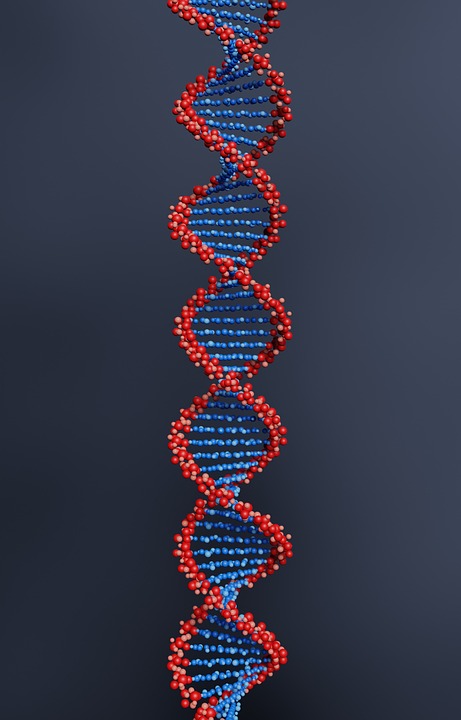
Have you ever wondered why you might have your mother’s sharp eye for detail while your sibling inherited your father’s musical pitch? Or why certain health conditions seem to run in specific family lines, skipping a generation only to reappear unexpectedly? The answers lie in a fascinating biological phenomenon known as genetic variation. Far from being a rigid blueprint that dictates every single aspect of who we are, human DNA is remarkably diverse. Genetic variation is the primary engine behind our uniqueness as individuals and a foundational concept in modern healthcare. For readers of The Health Care, understanding this concept is not just an exercise in biology—it is a vital step toward taking charge of your personal wellness, understanding your family health history, and engaging in more informed conversations with your physician. Let’s dive beneath the double helix to explore how genetic variation shapes our health, why our differences matter, and what this means for your daily life. What Is Genetic Variation, Really? To understand variation, we first need to look at the master manual: the human genome. Every human being shares about 99.9% of their DNA sequence with every other human on Earth. That remaining 0.1%, however, represents millions of individual genetic differences. Genetic variation refers to the natural differences in the DNA sequence among individuals within a population. These variations occur at various scales—from a single DNA building block changing to large segments of chromosomes being rearranged, duplicated, or deleted. Think of the human genome as a massive …
We live in a culture that glorifies the hustle. From early-morning productivity hacks to late-night screen time, pushing our limits has become a badge of honor. Yet, a quiet shift is happening in the world of health and wellness. People are finally starting to realize that true vitality isn’t just about how hard you work, train, or move—it’s about how well you recover. Welcome to the ultimate guide on intentional physical recovery. Whether you are an avid runner, a desk-bound professional battling chronic tight shoulders, or simply someone trying to feel less exhausted by Friday afternoon, giving your body the space to reset is non-negotiable. Let’s explore what physical recovery actually means, why your current routine might be falling short, and how to weave deep, restorative rest into your daily life without losing momentum. What Is Physical Recovery, Really? Many people mistake recovery for passivity—doing nothing, crashing on the couch, or sleeping. While sleep is the heavy lifter of restoration, active physical recovery is a deliberate physiological process. When you exercise, lift weights, or even maintain a static posture at a desk for eight hours, you create micro-stressors in your muscle fibers, joints, and nervous system. Recovery is the biological window where your body repairs that tissue, clears out metabolic waste, and rebuilds itself stronger than before. Without adequate recovery, you don't just stay sore; you enter a state of chronic low-grade inflammation, mental fatigue, and diminished returns in your daily energy and performance. Signs Your Body Is Begging for …
Practical insights, expert guidance, and simple tips to help you make healthier food choices.
Navigating the supermarket aisles can often feel like an overwhelming test of willpower and budgeting. …
The Health Care
rusted Health Information for a Healthier Life
Welcome to The Health Care, an online health and medical information platform created to make healthcare knowledge easier to understand and access.
Related posts
Better Health Starts With Better Information
From understanding symptoms to learning about prevention and healthy living, The Health Care provides accessible medical information to help you become more informed about your health.
Find useful insights, practical ideas, and easy-to-follow tips to build healthier habits into your daily routine.
The Internet is full of information on the topic of losing weight. …
We live in a culture that glorifies the hustle. From early-morning productivity …
Looking for simple ways to improve your health? Explore 15 practical health …
Struggling to get quality sleep? Discover 8 simple sleep tips that can …
Discover Better Ways to Live
Explore practical guidance, expert-backed insights, and everyday inspiration to support a healthier, more balanced life.
In today’s fast-paced world, the pursuit of health often feels like a full-time job. Between conflicting diet trends, high-intensity workout regimens, and the constant hum of digital notifications, it is easy to feel overwhelmed. Many people believe that achieving true vitality requires a complete lifestyle overhaul. However, sustainable wellness is rarely built on drastic, overnight changes. Instead, it is the quiet result of small, intentional daily habits that compound over time. Welcome to The Health Care. In this guide, we explore what wellness truly means in the modern era, moving beyond the simple absence of illness to embrace a vibrant, balanced state of physical, mental, and emotional health. What is True Wellness? When most people think about health, they picture a visit to the doctor's office or stepping on a scale. While clinical health is vital, wellness is a much broader, more dynamic concept. The World Health Organization (WHO) defines health as a state of complete physical, mental, and social well-being, not merely the absence of disease or infirmity. Wellness is the active process of making choices toward a healthy and fulfilling existence. It is multi-dimensional, meaning that neglecting one area of your life—such as sleep or social connection—can eventually impact your overall vitality. The Core Pillars of Daily Wellness To understand how to cultivate a balanced lifestyle, it helps to break wellness down into its foundational pillars: Physical Wellness: Nourishing your body with whole foods, staying hydrated, engaging in regular movement, and getting restorative rest. Mental Wellness: Engaging your …
In today’s fast-paced world, the pursuit of health often feels like a full-time job. Between managing career demands, family responsibilities, and the endless stream of digital information, it is easy to feel overwhelmed. Everywhere you look, new fitness trends, restrictive diets, and miracle supplements promise instant transformations. However, true wellness is not about drastic overhauls or chasing perfection. Instead, it is a dynamic, lifelong journey of making intentional choices that support your physical, mental, and emotional health. Welcome to The Health Care guide on redefining wellness. In this article, we will explore what sustainable wellness actually looks like, how to build healthy habits that stick, and why small, everyday changes yield the most profound long-term results. Understanding True Wellness For generations, society measured health primarily by the absence of disease. If your lab results came back normal, you were considered "healthy." Today, however, health professionals view wellness through a much broader lens. Wellness is an active process of becoming aware of and making choices toward a healthy and fulfilling life. It is multidimensional, encompassing several interconnected areas: Physical Wellness: Nourishing your body through balanced nutrition, regular movement, and adequate rest. Mental and Emotional Wellness: Managing stress, cultivating emotional resilience, and maintaining a positive mindset. Social Wellness: Building meaningful relationships and fostering a strong sense of community and support. Environmental Wellness: Creating living and working spaces that promote safety, comfort, and peace. When one area of your life is neglected, the others often feel the strain. For example, chronic stress (mental) …
In today’s fast-paced world, the pursuit of wellness often feels like chasing a moving target. Everywhere we look, we are bombarded with conflicting advice: drink a gallon of water, eliminate entire food groups, wake up at 5:00 AM, or try the latest high-intensity fitness trend. It is easy to feel overwhelmed, leading many of us to abandon our wellness goals before they even truly begin. At The Health Care, we believe true wellness does not come from extreme overhauls or overnight transformations. Instead, it is built through the quiet, consistent power of healthy habits. Understanding how to form and maintain these routines is the cornerstone of long-term vitality. Rather than striving for perfection, sustainable health is about making small, incremental changes that seamlessly integrate into your daily life. Let’s explore the science of habit formation and practical ways to cultivate a healthier lifestyle without the burnout. The Psychology of Habit Formation To build lasting healthy habits, we first need to understand how the human brain creates routines. According to psychological research, habits are formed through a neurological loop consisting of three parts: a cue, a routine, and a reward. The Cue: A trigger that initiates the behavior (e.g., your alarm clock ringing). The Routine: The actual behavior or action you perform (e.g., lacing up your running shoes). The Reward: The positive reinforcement your brain receives, which solidifies the habit (e.g., the endorphin boost or a sense of accomplishment). When you try to change too many things at once, you overload …