

When most people hear the word "genetics," they picture complicated laboratory equipment, abstract biology textbooks, or dramatic scenes from crime television shows. Yet, genetics is happening inside your body at this very second. Every breath you take, how your body turns your lunch into energy, and why your eyes crinkle a certain way when you smile are all tied back to your biological blueprint. Understanding the basics of genetics doesn't require a master's degree in molecular biology. By breaking down how your body reads its own instruction manual, you can gain a clearer picture of your wellness, your family health history, and how everyday choices interact with your innate biology. What Exactly Is a Gene? The Library Analogy To understand genetics, it helps to use an analogy. Imagine your body is a massive, highly complex manufacturing plant. This plant needs instructions to build everything from structural beams (bones and muscles) to specialized machinery (enzymes that digest food). The Genome (The Library): Your entire collection of genetic instructions is called your genome. Think of this as the grand central library of your body. Chromosomes (The Books): Inside nearly every cell in your body, this library is divided into 46 distinct volumes called chromosomes (23 inherited from your biological mother, 23 from your father). Genes (The Chapters and Recipes): Within those books are individual instructions known as genes. Each gene is a specific recipe telling your cells how to make a particular protein. DNA (The Ink): DNA (deoxyribonucleic acid) is the actual …
When most people hear the word “genetics,” they picture complicated laboratory equipment, abstract biology textbooks, or dramatic scenes from crime television shows. Yet, genetics is happening inside your body at this very second. Every breath you take, how your body turns your lunch into energy, and why your eyes crinkle a certain way when you smile are all tied back to your biological blueprint.
Understanding the basics of genetics doesn’t require a master’s degree in molecular biology. By breaking down how your body reads its own instruction manual, you can gain a clearer picture of your wellness, your family health history, and how everyday choices interact with your innate biology.
What Exactly Is a Gene? The Library Analogy
To understand genetics, it helps to use an analogy. Imagine your body is a massive, highly complex manufacturing plant. This plant needs instructions to build everything from structural beams (bones and muscles) to specialized machinery (enzymes that digest food).
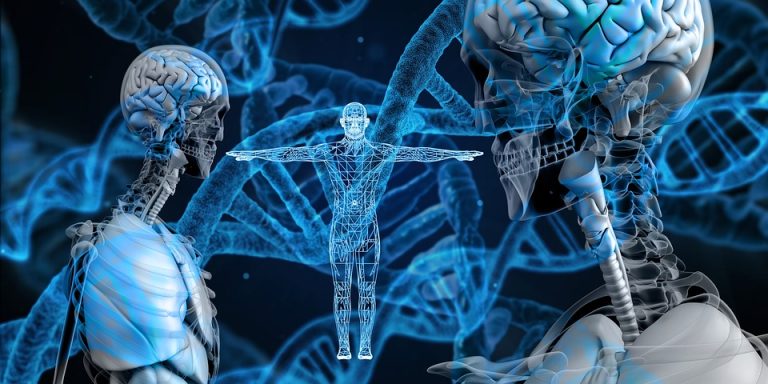
- The Genome (The Library): Your entire collection of genetic instructions is called your genome. Think of this as the grand central library of your body.
- Chromosomes (The Books): Inside nearly every cell in your body, this library is divided into 46 distinct volumes called chromosomes (23 inherited from your biological mother, 23 from your father).
- Genes (The Chapters and Recipes): Within those books are individual instructions known as genes. Each gene is a specific recipe telling your cells how to make a particular protein.
- DNA (The Ink): DNA (deoxyribonucleic acid) is the actual chemical language—the ink—used to write those recipes.
Proteins are the workhorses of your biology. They form your tissues, transport oxygen through your bloodstream, and fight off invading bacteria. When a gene has a clear, accurate recipe, the corresponding protein can do its job smoothly. If a recipe has a misprint, the resulting protein might function a bit differently—or not at all.
Inherited Traits: Why You Share More Than Just a Smile with Your Family
Look in the mirror. You might see your mother’s nose, your grandfather’s hairline, or your aunt’s musical aptitude. These observable characteristics are called traits, and they are passed down through generations via Mendelian and complex inheritance patterns.
Single-Gene vs. Multifactorial Traits
Not all traits work the same way. Some characteristics are controlled by a single gene with straightforward rules:
- Single-Gene (Mendelian) Traits: These follow predictable patterns. Classic examples include earlobe attachment (detached versus attached) or whether you can taste a specific bitter compound called PTC.
- Multifactorial Traits: Most everyday health characteristics—like your height, your natural metabolism speed, or your predisposition to certain common conditions—are multifactorial. This means they are influenced by multiple genes working together, often combined with environmental factors like diet and exercise.
The Role of Dominant and Recessive Alleles
You inherit two copies of every gene: one from your mother and one from your father. These different versions of a gene are called alleles.
- Dominant Alleles: If you inherit a dominant allele from even one parent, that trait will typically show up in your physical appearance or biological function.
- Recessive Alleles: To express a recessive trait, you generally need to inherit the recessive allele from both parents. If you inherit one dominant and one recessive allele, the dominant one usually takes the lead, though the recessive one can still be passed down to your future children.
Nature vs. Nurture: The Dance Between DNA and Your Environment
For decades, popular science framed human health as a fierce battleground between “nature” (your genetics) and “nurture” (your lifestyle and environment). Modern genetics tells a more nuanced and hopeful story: it’s almost always a partnership.
This field of study is known as gene-environment interaction. Think of your DNA as a sheet of musical notes, and your lifestyle as the musician playing the instrument.
Your genes may set the sheet music, but your lifestyle, diet, sleep patterns, stress levels, and environment determine how that song is actually played.
Epigenetics: The Volume Knobs of Your Genome
Epigenetics is the study of how your behaviors and environment can cause changes that affect the way your genes work. Unlike permanent mutations in the DNA sequence, epigenetic changes don’t alter the underlying genetic code. Instead, they act like dimmer switches or volume knobs, turning specific genes ON or OFF, or adjusting how loudly they express themselves.
For example, regular physical activity and a nutrient-rich diet can positively influence epigenetic tags, supporting healthy cellular function and metabolic health, regardless of what hand you were dealt at birth.
Decoding Your Family Health History: Your First Genetic Tool
Long before direct-to-consumer genetic testing kits existed, the most powerful genomic tool available was sitting around your family Thanksgiving table: your family health history.
Your relatives share a significant percentage of your DNA. If multiple people on the same side of your family tree have experienced conditions like high blood pressure, type 2 diabetes, or heart disease, those shared genetic variants—combined with shared lifestyle habits—provide vital clues about your own health risks.
How to Map Your Family Health Tree
Building a comprehensive health pedigree doesn’t require a clinical software program. You can start with a simple notebook or digital document:
- Trace three generations: Include parents, siblings, children, aunts, uncles, grandparents, and first cousins.
- Note major conditions: Record chronic illnesses, age of onset (when the condition first appeared), and causes of death.
- Look for patterns: Are there conditions appearing earlier than expected? Do multiple family members share the same diagnosis?
- Share with your physician: Bring this document to your next routine checkup. It helps your primary care provider determine if specialized screenings or proactive lifestyle adjustments are appropriate for you.
Understanding Genetic Risk: Probability, Not Destiny
One of the most common misconceptions about genetics is the idea that “genes are destiny.” People often assume that if a gene linked to a specific condition runs in their family, developing that condition is inevitable.
In reality, most genetic variants only change your risk probability.
- High Penetrance Genes: Some rare genetic variants have high penetrance, meaning if you inherit the variant, you have a very high likelihood of developing the associated condition (such as certain hereditary breast and ovarian cancer syndromes linked to BRCA1 or BRCA2 mutations).
- Low Penetrance (Risk-Increasing) Variants: Most common genetic variants have low individual impact. Having one or two variants associated with a condition simply nudges your baseline risk up slightly. When combined across dozens or hundreds of genes, these variants form a clearer risk profile—but they are almost always balanced by lifestyle choices.
Knowing your genetic risks is empowering. It transforms vague worries into actionable preventative strategies, allowing you and your healthcare team to monitor your health proactively rather than reactively.
Practical Takeaways: What You Can Do Today
You cannot rewrite your DNA sequence, but you have immense influence over how your genetic blueprint expresses itself. Here are practical steps to align your daily habits with your biological well-being:
- Prioritize Personalized Prevention: Use your family health history as a roadmap for regular screenings. If heart disease runs in your family, monitor your cholesterol and blood pressure earlier and more frequently.
- Focus on Foundational Lifestyle Habits: No supplement or genetic test can override the fundamentals of health. Consistent sleep, balanced nutrition rich in whole foods, regular physical movement, and effective stress management positively influence gene expression and cellular repair.
- Consult Professionals Before Testing: If you are curious about commercial DNA testing kits, understand what they can and cannot tell you. For medical-grade genetic concerns, consult a certified genetic counselor or your primary care physician to interpret results accurately.
Conclusion
Genetics is not a rigid cage determining every chapter of your life story; it is a dynamic, interactive instruction manual. By understanding the basics of how genes work, how traits are inherited, and how your daily environment interacts with your DNA, you can take an active, informed role in managing your health. Your genes may provide the starting point, but your choices help write the rest of the story.
Frequently Asked Questions
Can I change my DNA through lifestyle changes?
No. Your underlying DNA sequence (the order of your genetic code) remains essentially permanent throughout your life. However, your lifestyle choices can influence epigenetics—chemical modifications that determine whether specific genes are active or inactive.
If both of my parents have a certain health condition, will I automatically get it?
Not necessarily. While sharing genes with your parents increases your risk for certain inherited conditions, many health issues are multifactorial, meaning they depend on a combination of multiple genes and environmental factors. A family history indicates increased probability, not absolute certainty.
What is the difference between a genetic trait and a genetic condition?
A trait is any characteristic—such as eye color, height, or blood type—that is determined by your genes. A genetic condition refers specifically to a disease or medical disorder caused by an abnormality in an individual’s DNA sequence or chromosome structure.
How accurate are at-home genetic testing kits?
At-home DNA kits are generally accurate at reading specific genetic markers they are designed to test for. However, they typically provide a limited snapshot of your entire genome and often cannot predict complex health outcomes without considering your lifestyle, environment, and family medical history. Always discuss results with a qualified healthcare professional.