
Fuel Your Day: The Superfoods You Should Be Eating Every Single Day

nutrient rich foods

Meta Description: Discover how to harness the nutritional power of chia seeds. Explore smart serving sizes, smart hydration tips, creative daily meal ideas, and storage hacks. Tiny yet mighty, chia seeds have transitioned from a nostalgic novelty sprout to a cornerstone of modern pantry wellness. These oilseeds, harvested from the Salvia hispanica plant native to Central America, pack a remarkable density of fiber, plant-based omega-3 fatty acids, and essential minerals into a remarkably small package. Yet, simply tossing a handful into your morning routine without a strategy can lead to a less-than-ideal culinary experience. To truly benefit from what chia seeds offer, you need to understand how they interact with liquid, how to select the best quality bags at the store, and how to weave them seamlessly into savory and sweet dishes alike. Decoding the Nutrient Profile of Chia Seeds Before altering your grocery list, it helps to understand what happens on a microscopic level when you consume these black and white ovals. While they are famously small, their macronutrient distribution makes them an exceptional addition to a balanced dietary pattern. Macronutrient Breakdown per Standard Serving A standard two-tablespoon serving (roughly 28 grams) delivers a substantial dietary punch: Dietary Fiber: Approximately 10 grams, which covers a significant portion of your daily recommended intake. This fiber is predominantly soluble, creating a gel-like consistency when exposed to liquids. Plant-Based Protein: Around 4 to 5 grams of complete protein, containing all nine essential amino acids—a rarity in the plant kingdom. Healthy Fats: Roughly …


Meta Description: Discover how to harness the nutritional power of chia seeds. Explore smart serving sizes, smart hydration tips, creative daily meal ideas, and storage hacks.

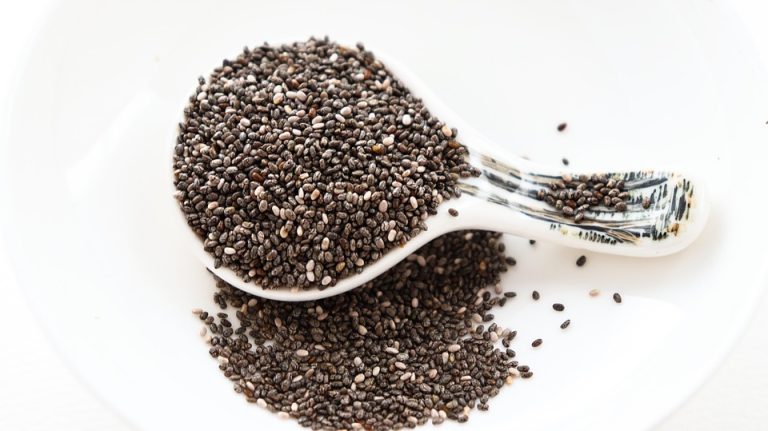
Tiny yet mighty, chia seeds have transitioned from a nostalgic novelty sprout to a cornerstone of modern pantry wellness. These oilseeds, harvested from the Salvia hispanica plant native to Central America, pack a remarkable density of fiber, plant-based omega-3 fatty acids, and essential minerals into a remarkably small package.

Yet, simply tossing a handful into your morning routine without a strategy can lead to a less-than-ideal culinary experience. To truly benefit from what chia seeds offer, you need to understand how they interact with liquid, how to select the best quality bags at the store, and how to weave them seamlessly into savory and sweet dishes alike.


Decoding the Nutrient Profile of Chia Seeds

Before altering your grocery list, it helps to understand what happens on a microscopic level when you consume these black and white ovals. While they are famously small, their macronutrient distribution makes them an exceptional addition to a balanced dietary pattern.

Macronutrient Breakdown per Standard Serving

A standard two-tablespoon serving (roughly 28 grams) delivers a substantial dietary punch:

  • Dietary Fiber: Approximately 10 grams, which covers a significant portion of your daily recommended intake. This fiber is predominantly soluble, creating a gel-like consistency when exposed to liquids.
  • Plant-Based Protein: Around 4 to 5 grams of complete protein, containing all nine essential amino acids—a rarity in the plant kingdom.
  • Healthy Fats: Roughly 9 grams of fat, the vast majority of which comes from alpha-linolenic acid (ALA), a type of essential omega-3 fatty acid.
  • Micronutrients: Notable amounts of calcium, magnesium, phosphorus, and manganese, which support structural integrity in bones and metabolic efficiency.

Unlike flaxseeds, which typically require grinding to unlock their nutrient density, chia seeds have resilient outer coats that your body can digest effectively even when eaten whole—though proper hydration remains key to maximizing their digestive benefits.


Smart Shopping and Quality Selection

Walking down the baking aisle or health food store, you will likely encounter two main varieties: white chia seeds and black chia seeds.

White vs. Black: Is There a Nutritional Difference?

Nutritional analyses show negligible differences between white and black chia seeds. Both offer nearly identical profiles of fiber, protein, and minerals.

  • Black Chia Seeds: The most common variety found in bulk bins and standard grocery bags. They offer a striking visual contrast when added to light-colored foods.
  • White Chia Seeds: Often selected by home cooks who want a seamless aesthetic in white puddings, clear beverages, or smooth blended sauces where dark specks might be visually distracting.

Evaluating Freshness at the Market

Because chia seeds are rich in polyunsaturated fats, they can theoretically go rancid if exposed to excessive heat, light, or oxygen over long periods.

  • Check the Packaging: Opt for bags with airtight seals, resealable zippers, or opaque containers that block out ultraviolet light.
  • Sniff Test: Fresh seeds should have a neutral, nearly odorless scent. If you detect a sharp, bitter, or paint-like odor, the fats have oxidized, and the product is past its prime.


Culinary Mechanics: Hydration and Texture Control

The defining characteristic of chia seeds is their hydrophilic nature—their love for water. They can absorb up to 12 times their weight in liquid. Managing this absorption process is the secret to moving from unpalatable clumps to delicious, cohesive meals.

The Gelation Process

When liquid surrounds a chia seed, the soluble fiber on its outer layer expands into a mucilaginous coating. If you add dry seeds directly to a thick liquid without stirring, the outer layer hydrates instantly, trapping dry seeds in the center and forming hard, unchewable lumps.

To avoid clumping:

  1. The Rain Method: Sprinkle seeds slowly over a liquid while whisking vigorously with a fork or small whisk.
  2. The Shake Method: Combine seeds and liquid in a sealed mason jar, secure the lid, and shake vigorously for 30 seconds, then let it rest for five minutes before shaking once more.


Everyday Culinary Integration Strategies

You do not need to restrict chia seeds to sweet breakfast puddings. Their neutral, nutty flavor profile allows them to act as a functional ingredient across various culinary applications throughout the day.

1. Savory Soup and Stew Thickeners

Instead of using refined flours or cornstarch slurries to add body to brothy vegetable soups or chili, let ground or whole chia seeds work quietly in the background.

  • How-to: Stir one tablespoon of ground chia into a simmering pot of lentil soup during the final ten minutes of cooking. The seeds will absorb excess moisture, lending a velvety body without altering the savory flavor profile.

2. Egg Alternatives in Baked Goods

If you are baking plant-based treats or simply ran out of eggs, a “chia egg” serves as an effective binding agent in quick breads, pancakes, and muffins.

  • The Ratio: Combine one tablespoon of finely ground chia seeds with three tablespoons of water. Whisk together and let the mixture sit undisturbed on the counter for 5 to 7 minutes until it forms a thick, gelatinous paste. Use this mixture to replace one large egg in your baking formulas.

3. Crusts and Crispy Coatings

Mix whole white or black seeds into dry breadcrumb blends when preparing oven-baked zucchini fries, tofu cubes, or chicken tenders. The seeds add a delightful crunch and boost the fiber content of otherwise standard comfort foods.


Proper Storage for Long-Term Shelf Stability

Protecting your investment in bulk ingredients requires mindful storage practices. Because dry chia seeds have a low moisture content, they resist spoiling for a long time if kept in optimal environments.

  • Pantry Storage: Keep your seeds in a cool, dark cupboard away from the stove or oven, where temperature fluctuations can degrade the delicate oils. Use a glass jar with a tight-fitting gasket lid.
  • Refrigerator or Freezer Storage: If you live in a humid climate or purchased a massive bulk bag, portioning your supply into a freezer-safe container extends freshness for up to two years. There is no need to thaw frozen seeds before using them; they can go straight from the freezer into your morning liquid mixes.


Frequently Asked Questions

Do I need to grind chia seeds before eating them to get their nutrients?

No. Unlike flaxseeds, which feature a hard, impenetrable hull that passes through the human digestive tract intact unless milled, whole chia seeds are easily digested by most people. Their outer coat softens significantly when hydrated, allowing your body to access the internal nutrients, proteins, and healthy fats. However, grinding them can be useful if you prefer a smooth texture in baked goods or sauces.

Can eating too many chia seeds cause digestive discomfort?

Yes, especially if you introduce them into your diet too quickly. Because they are exceptionally high in dietary fiber and absorb large amounts of water, consuming large quantities without drinking enough extra fluids can lead to bloating, gas, or mild cramping. Start with one teaspoon per day and gradually increase your intake over a couple of weeks, ensuring you drink plenty of water alongside them.

Are chia seeds suitable for individuals managing blood sugar levels?

Chia seeds are a nutrient-dense food that provides a combination of fiber, protein, and healthy fats, which slows down digestion and the subsequent absorption of carbohydrates into the bloodstream. While they can be a healthy addition to balanced meals, individuals with specific metabolic conditions or those monitoring blood glucose should consult a registered dietitian or healthcare provider for personalized dietary advice.

Can I feed chia seeds to young children?

Whole, dry chia seeds can pose a choking hazard because they absorb liquid rapidly and expand. If offering them to young children, always ensure they are thoroughly pre-soaked in a generous amount of liquid—such as in a smooth pudding or fully blended into a puree—so they do not swell inside the esophagus.

How much water should I drink when consuming chia seeds?

As a general rule of thumb, for every tablespoon of dry chia seeds you consume, aim to drink an extra eight ounces of water, particularly if you are eating them unsoaked. This ensures that the seeds hydrate properly within your digestive tract, promoting smooth digestion and preventing discomfort.

Related Posts

self care tips
October 8, 2026
Self-Care Isn’t Selfish: Why You Need to Put Yourself First

We all recognize the heavy blows: a job loss, a global crisis, a major family emergency. We brace ourselves, lean on our support systems, and survive the tempest. But what about the constant drip-drip-drip of everyday friction? Unanswered text messages piling up, a flickering lightbulb you haven't replaced, the fourth consecutive Zoom call with a frozen screen, or the low-grade anxiety of a cluttered kitchen counter. In the wellness world, these are known as micro-stressors. Individually, they feel insignificant—too small to complain about, too petty to warrant meditation. Collectively, however, they act like paper cuts to your nervous system, gradually eroding your energy, sleep quality, and emotional resilience. Welcome to a practical guide on identifying these invisible drains, understanding their physiological toll, and reclaiming your daily peace through targeted micro-resets. What Exactly Are Micro-Stressors? Micro-stressors are minor, momentary disruptions that trigger a subtle alarm in your brain. Coined by researchers Rob Cross and Karen Dillon, these occurrences often stem from interactions, environmental stimuli, or self-imposed expectations. Unlike acute stress, which spikes your cortisol and then recedes, micro-stressors fly under the radar. Your conscious mind dismisses them ("It's no big deal"), but your autonomic nervous system registers them all the same. Common Everyday Culprits: Digital Clutter: A phone screen flashing with red notification badges every few minutes. Environmental Friction: Wearing shoes that pinch just a little bit, working in poor lighting, or navigating a chaotic workspace. Relational Micro-Moments: A passive-aggressive comment from a colleague or a partner sighing heavily without explanation. …

elimination diet
October 7, 2026
What Happens When You Stop Eating Everything You Love for 30 Days

For some individuals, biting into a crisp apple, enjoying a bowl of fresh cherries, or sweetening a beverage with honey can unexpectedly lead to hours of stubborn bloating, abdominal cramping, and unpredictable digestive distress. While fruit and natural sweeteners are typically celebrated as cornerstones of a nutritious eating pattern, people experiencing fructose malabsorption process these wholesome foods rather differently. Understanding how the body handles specific types of simple sugars can transform daily digestive comfort. Rather than resorting to confusing, highly restrictive eating habits, learning the underlying mechanics of sugar absorption empowers individuals to make informed, balanced choices that support both gut health and overall culinary enjoyment. What Is Fructose Malabsorption? Fructose malabsorption occurs when the small intestine has a limited capacity to absorb fructose—a simple sugar naturally found in fruits, vegetables, honey, and high-fructose corn syrup. When the specialized transporter proteins in the intestinal lining cannot keep up with the amount of fructose consumed, the excess sugar travels onward into the large intestine. Once unabsorbed fructose reaches the colon, resident bacteria ferment it rapidly. This natural fermentation process produces hydrogen and methane gases, along with short-chain fatty acids. The accumulation of gas and osmotic fluid shifts within the bowel is what gives rise to the classic physical sensations associated with the condition. It is helpful to distinguish fructose malabsorption from hereditary fructose intolerance (HFI). While fructose malabsorption is a relatively common, non-life-threatening digestive quirk involving intestinal transport, HFI is a rare, serious genetic metabolic disorder diagnosed in infancy that involves …

DNA and health
October 7, 2026
Sleep, Sweat, Repeat: How to Hack Your Fitness Based on Your DNA

Have you ever wondered why you might possess your mother’s sharp eye for detail, yet your sibling inherited your father’s musical pitch? Or perhaps you have puzzled over why a certain health condition seems to run down one side of your family tree while skipping other relatives entirely? The answers to these everyday biological mysteries lie within genetic variation—the tiny, natural differences in our DNA that make every human being unique. While the word "genetics" often brings to mind complex laboratory equipment or clinical charts, understanding the basics of how our DNA varies is one of the most empowering things you can do for your personal health literacy. In this guide, we will break down what genetic variation actually means, how these differences influence our health and traits, and why this microscopic diversity is essential for human survival. What is Genetic Variation, Anyway? To understand variation, we first need to look at the master manual of life: DNA (deoxyribonucleic acid). Think of your DNA as a massive recipe book stored inside almost every cell in your body. This book is written using an alphabet of just four chemical building blocks, commonly represented by their letters: A, T, C, and G. These letters spell out genes, which act as specific instructions for building proteins—the workhorse molecules that keep your body functioning. Across the entire human population, our DNA is remarkably similar. In fact, any two humans share about 99.9% of their genetic code. We are all profoundly alike. However, that remaining …

healthy daily routine
October 7, 2026
From Chaos to Calm: Designing Your Ultimate Healthy Day

We often treat our physical health and mental wellbeing as two entirely separate entities. When we catch a cold, we reach for vitamin C; when we feel anxious, we try to calm our thoughts. Yet, modern medical science increasingly confirms what ancient traditions have taught for millennia: the mind and body operate as a single, deeply integrated system. Your daily thought patterns, stress levels, and emotional responses do not just float around in the ether—they trigger biochemical cascades that directly influence your immune function, energy levels, and long-term physical vitality. Understanding this intricate bridge is essential for anyone looking to optimize their overall health. By exploring the practical intersection of mental habits and physiological wellness, you can unlock a more holistic approach to everyday self-care. The Biological Bridge: How Thoughts Become Physical Every thought and emotion you experience translates into a chemical signal. When you perceive a threat—whether it is an actual physical danger or a stressful work email—your brain activates the sympathetic nervous system, commonly known as the "fight-or-flight" response. This triggers the release of stress hormones like cortisol and adrenaline. In short bursts, this mechanism is life-saving. However, when chronic worry, pessimism, or high-pressure lifestyles keep your nervous system in a constant state of low-grade alarm, the physical toll begins to accumulate. Over time, elevated cortisol levels can: Suppress optimal immune system function, making you more susceptible to illness. Contribute to chronic, low-grade systemic inflammation. Disrupt digestion, leading to gut health imbalances. Interfere with deep, restorative sleep cycles. …

healthy foods
October 7, 2026
10 Surprising Foods You Didn’t Know Were Packed With Antioxidants

Walking down the grocery store aisles can sometimes feel like navigating a complex maze. With colorful packaging boasting various health claims, ingredient lists written in unfamiliar terms, and endless rows of products, making choices that truly support your wellness goals requires a bit of strategy. Long-term healthy eating does not start in the kitchen; it begins in the supermarket cart. When you approach food shopping with a clear plan and a solid understanding of how to evaluate products, nourishing your body becomes an intuitive, everyday habit rather than an overwhelming chore. Mapping Out Your Supermarket Strategy The layout of most grocery stores is remarkably consistent. Retail designers purposefully position fresh, whole foods around the outer perimeter—often referred to as the "fresh zone"—while center aisles are typically dedicated to packaged, processed, and shelf-stable goods. While center aisles do contain many nutritious staples like grains, beans, and canned tomatoes, adopting a perimeter-first approach can fundamentally shift your purchasing habits. Navigating the Produce Section Fresh fruits and vegetables should form the vibrant foundation of any wholesome eating pattern. Instead of sticking rigidly to the same weekly produce, aim for color diversity. Deep greens, bright oranges, rich purples, and vibrant reds each signify a unique profile of natural plant compounds and essential micronutrients. Prioritize seasonality: Seasonal produce generally tastes better, offers peak nutrient density, and tends to be more budget-friendly. Embrace the freezer aisle: Frozen fruits and vegetables are often flash-frozen right at harvest, locking in their nutritional value. They serve as a convenient, …

wellness
October 7, 2026
The [Number] Rule of… (e.g., The 20-Minute Rule for Instant Stress Relief)

In today’s fast-paced world, the definition of health often gets reduced to a simple number on a scale or the absence of an obvious illness. Yet, true well-being goes far deeper. It encompasses how we feel when we wake up in the morning, how we manage the inevitable stress of daily life, and how connected we feel to our communities and purpose. Welcome to The Health Care, your trusted resource for evidence-based living. In this guide, we explore what wellness truly means in the modern era and how you can cultivate a balanced, vibrant lifestyle without falling for quick fixes or restrictive fads. What Is Wellness, Really? At its core, wellness is an active, ongoing process of making choices toward a healthy and fulfilling life. Unlike health, which can be viewed as a state of being at a given moment, wellness is about action, awareness, and continuous growth. The concept is rarely isolated to just one part of your routine. Instead, experts view it through a multidimensional lens. Recognizing these different facets can help you pinpoint areas of your life that might need a little extra care and attention. The Dimensions of Well-Being To achieve a balanced life, it helps to understand the core pillars that support overall vitality: Physical Wellness: Involves caring for your body through balanced nutrition, restorative sleep, regular movement, and routine medical checkups. Mental and Emotional Wellness: Encompasses your ability to cope with stress, process emotions, maintain a positive outlook, and seek support when needed. Social …