

The quiet hum of a refrigerator storing tonight's leftovers, a steaming mug of aged bone broth on a chilly morning, or a slice of sharp artisanal cheese paired with a glass of fermented red wine—these are staples of sophisticated modern cooking. Yet, for some individuals, these flavorful staples can trigger a perplexing wave of physical reactions, ranging from sudden headaches and flushed skin to unpredictable digestive discomfort. When everyday wholesome foods unexpectedly cause distress, the culprit is occasionally histamine intolerance. Unlike classic food allergies involving the immune system, histamine sensitivity is typically a metabolic puzzle. It involves how your body processes specific naturally occurring compounds found in the foods we consume every day. For readers of The Health Care seeking clarity on digestive wellness and nuanced dietary patterns, exploring the mechanics of dietary histamine can illuminate why certain meals leave you feeling less than your best. What Is Histamine and How Does the Body Process It? Histamine is a naturally occurring organic molecule that plays vital physiological roles. Produced internally by certain white blood cells, histamine acts as a signaling chemical for the immune system, helps regulate stomach acid secretion, and assists in neurotransmission within the brain. However, histamine does not come solely from internal production. It is also found naturally in a wide variety of plant and animal foods, particularly those that have undergone aging, fermentation, curing, or microbial ripening. Under normal circumstances, a healthy digestive tract efficiently breaks down ingested histamine using specific enzymes—most notably diamine oxidase (DAO), …
The quiet hum of a refrigerator storing tonight’s leftovers, a steaming mug of aged bone broth on a chilly morning, or a slice of sharp artisanal cheese paired with a glass of fermented red wine—these are staples of sophisticated modern cooking. Yet, for some individuals, these flavorful staples can trigger a perplexing wave of physical reactions, ranging from sudden headaches and flushed skin to unpredictable digestive discomfort.
When everyday wholesome foods unexpectedly cause distress, the culprit is occasionally histamine intolerance. Unlike classic food allergies involving the immune system, histamine sensitivity is typically a metabolic puzzle. It involves how your body processes specific naturally occurring compounds found in the foods we consume every day.
For readers of The Health Care seeking clarity on digestive wellness and nuanced dietary patterns, exploring the mechanics of dietary histamine can illuminate why certain meals leave you feeling less than your best.
What Is Histamine and How Does the Body Process It?
Histamine is a naturally occurring organic molecule that plays vital physiological roles. Produced internally by certain white blood cells, histamine acts as a signaling chemical for the immune system, helps regulate stomach acid secretion, and assists in neurotransmission within the brain.
However, histamine does not come solely from internal production. It is also found naturally in a wide variety of plant and animal foods, particularly those that have undergone aging, fermentation, curing, or microbial ripening.
Under normal circumstances, a healthy digestive tract efficiently breaks down ingested histamine using specific enzymes—most notably diamine oxidase (DAO), which is produced in the lining of the small intestine. When DAO activity is reduced or overwhelmed, dietary histamine can cross the intestinal lining into the bloodstream, where it may provoke pseudo-allergic or sensitivity-like reactions.
Food Allergy vs. Histamine Intolerance: Key Differences
It is essential to distinguish between a true food allergy, a food intolerance, and a metabolic sensitivity like histamine overload:
- Food Allergy: Involves an immune system response mediated by IgE antibodies. Even tiny trace amounts of the allergen can trigger rapid, potentially severe symptoms such as hives, swelling, difficulty breathing, or anaphylaxis. Immediate medical attention is always required for acute allergic reactions.
- Food Intolerance: Generally non-immune in nature and typically originates in the digestive tract. It usually reflects an inability to properly digest or process certain components, such as lactose in dairy or specific fermentable carbohydrates. Symptoms are often localized to the gut, such as bloating and gas.
- Histamine Intolerance: A cumulative metabolic threshold issue rather than a standard allergy. It occurs when the total body burden of histamine—from both internal production and dietary intake—exceeds the body’s current capacity to break it down. Because it operates on a threshold model, small amounts of a high-histamine food might cause no reaction at all, while a large accumulation throughout the day triggers symptoms.
Recognizing Common Signs of Histamine Overload
Because histamine receptors are distributed widely throughout the body—including the gut, skin, cardiovascular system, and central nervous system—the signs associated with histamine sensitivity can be diverse and mimic other health conditions.
Frequently reported considerations include:
- Cutaneous Responses: Sudden facial flushing, hives, or mild skin itching after eating.
- Neurological Signs: Headaches or a feeling of lightheadedness following specific meals.
- Gastrointestinal Comfort Issues: Abdominal cramping, bloating, or irregular bowel patterns.
- Respiratory Sensitivities: Nasal congestion or a runny nose unrelated to a cold or seasonal allergies.
Because these symptoms overlap heavily with other gastrointestinal disorders, food allergies, and stress-related conditions, experiencing them does not automatically confirm a histamine issue. Consulting a qualified healthcare professional is crucial for a proper evaluation and to rule out other medical concerns.
Common Dietary Sources of Histamine
Histamine does not naturally occur in equal amounts across all foods. Instead, its concentration tends to increase as foods age, spoil, or undergo microbial fermentation.
Foods Frequently Associated with Higher Histamine Levels
- Fermented Foods: Sauerkraut, kimchi, miso, soy sauce, and kombucha.
- Aged and Cured Meats: Salami, pepperoni, dry-cured hams, and aged sausages.
- Aged Cheeses: Parmesan, cheddar, gouda, Roquefort, and other aged dairy products.
- Fish and Shellfish: Particularly species that have not been immediately chilled or canned varieties, such as tuna, mackerel, sardines, and anchovies.
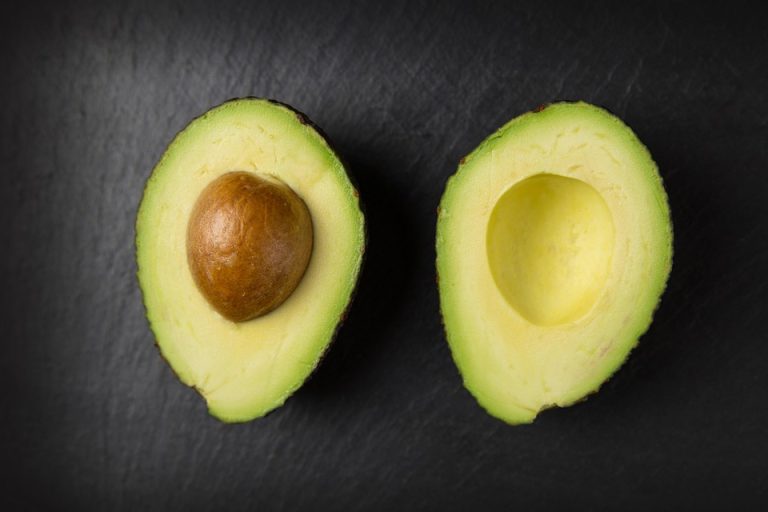
- Certain Botanicals and Fruits: Tomatoes, spinach, eggplant, avocados, and citrus fruits are sometimes noted as histamine liberators or containing notable levels.
- Beverages: Red wine, white wine, beer, and champagne.
A Balanced Perspective on Freshness
It is important to remember that freshness plays a major role. Leftover cooked meats kept in the refrigerator for several days can accumulate higher histamine levels than freshly prepared meals. Prioritizing fresh ingredients and properly storing or freezing leftovers can often make a noticeable difference in daily comfort.
Practical Strategies for Dietary Exploration
If you and your healthcare provider suspect that dietary histamine may be contributing to your recurring discomfort, the approach should remain balanced, cautious, and temporary if elimination is attempted.
- Keep a Detailed Food and Symptom Diary: Track not only what you eat, but also the freshness of the food, preparation methods, and the exact timing of any symptoms that arise. This helps identify patterns rather than relying on guesswork.
- Focus on Freshness Over Elimination: Before cutting out entire food groups, try consuming freshly prepared foods and minimizing leftovers that have been stored for extended periods.
- Avoid Unnecessary Restriction: Long-term, highly restrictive elimination diets can compromise overall nutritional variety and gut microbiome diversity. Any structured dietary trial should ideally be undertaken with the guidance of a registered dietitian or physician.
- Prioritize Overall Digestive Wellness: Support general gut health through adequate hydration, balanced meals rich in fiber from well-tolerated plant foods, and stress management practices.
Conclusion
Navigating the nuances of dietary histamine highlights the intricate relationship between what we eat and how our bodies process everyday chemical compounds. Rather than viewing food through a lens of fear or restriction, understanding histamine tolerance encourages mindful eating, attention to food freshness, and a deeper appreciation for individual metabolic differences. If persistent or confusing symptoms disrupt your daily life, partnering with a medical professional remains the safest and most effective path toward lasting wellness.
Frequently Asked Questions
What causes low DAO enzyme activity?
Diamine oxidase (DAO) activity can be influenced by various factors, including genetic predispositions, specific gastrointestinal conditions that affect the lining of the small intestine, and certain medications or substances (like alcohol) that temporarily inhibit DAO function.
Is histamine intolerance considered a lifelong condition?
For some individuals, sensitivity to dietary histamine fluctuates depending on overall gut health, stress levels, and current dietary habits. When underlying digestive issues are addressed, tolerance levels sometimes improve over time, though individual experiences vary widely.
Why do some leftovers trigger symptoms while freshly cooked food does not?
Histamine-producing bacteria multiply rapidly in protein-rich foods as they sit at room temperature or in the refrigerator over several days. Consequently, older leftovers often contain significantly higher histamine concentrations than freshly prepared meals.
Can cooking destroy histamine in food?
Unfortunately, standard cooking methods such as boiling, baking, or frying do not effectively break down or destroy histamine. Because histamine is a heat-stable molecule, prevention relies primarily on consuming fresh ingredients and proper cold storage.
How is histamine intolerance officially evaluated?
There is no single, universally accepted diagnostic test for histamine intolerance. Healthcare professionals typically evaluate symptoms through a comprehensive medical history, elimination and rehydration trials under clinical supervision, and by ruling out other conditions such as celiac disease, food allergies, or inflammatory bowel disorders.
SEO Meta Description: Explore the science of dietary histamine intolerance, common symptom patterns, high-histamine foods, and practical tips for digestive comfort.