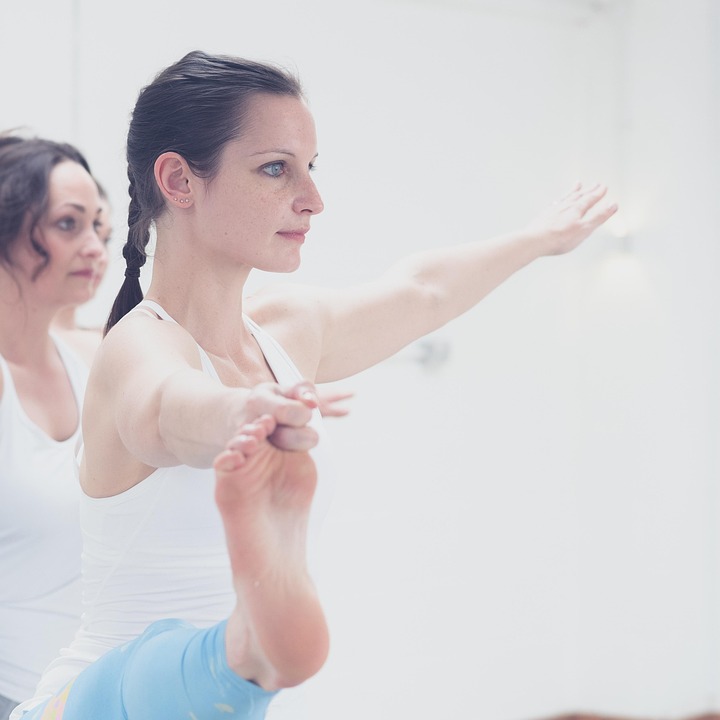


When most people hear the word "wellness," they immediately picture a yoga mat, a green smoothie, or a grueling 5:00 AM workout. While physical fitness is a fantastic component of a healthy lifestyle, true well-being goes far beyond what happens at the gym or in the kitchen. Welcome to The Health Care. Today, we are exploring a comprehensive, modern approach to wellness—one that nurtures your mind, body, and spirit without requiring a complete lifestyle overhaul. Achieving a balanced state of being isn't about perfection; it is about making small, sustainable choices that add up over time. Whether you are feeling burnt out, stuck in a rut, or simply looking to optimize your daily routine, understanding the core pillars of wellness can help you build a happier, more vibrant life. What Does Wellness Really Mean? According to the World Health Organization (WHO), health is not merely the absence of disease or infirmity, but a state of complete physical, mental, and social well-being. Expanding on this, wellness is an active, lifelong process of making choices toward a more balanced and fulfilling existence. Unlike medical treatments that focus on fixing a problem after it arises, wellness is proactive. It is about how you live, how you manage stress, how you connect with others, and how you fuel your mind and body every single day. The Core Pillars of Modern Wellness To understand how to cultivate a balanced life, it helps to break down wellness into manageable categories. Think of these pillars as the …
When most people hear the word “wellness,” they immediately picture a yoga mat, a green smoothie, or a grueling 5:00 AM workout. While physical fitness is a fantastic component of a healthy lifestyle, true well-being goes far beyond what happens at the gym or in the kitchen.
Welcome to The Health Care. Today, we are exploring a comprehensive, modern approach to wellness—one that nurtures your mind, body, and spirit without requiring a complete lifestyle overhaul.
Achieving a balanced state of being isn’t about perfection; it is about making small, sustainable choices that add up over time. Whether you are feeling burnt out, stuck in a rut, or simply looking to optimize your daily routine, understanding the core pillars of wellness can help you build a happier, more vibrant life.
What Does Wellness Really Mean?
According to the World Health Organization (WHO), health is not merely the absence of disease or infirmity, but a state of complete physical, mental, and social well-being. Expanding on this, wellness is an active, lifelong process of making choices toward a more balanced and fulfilling existence.
Unlike medical treatments that focus on fixing a problem after it arises, wellness is proactive. It is about how you live, how you manage stress, how you connect with others, and how you fuel your mind and body every single day.
The Core Pillars of Modern Wellness
To understand how to cultivate a balanced life, it helps to break down wellness into manageable categories. Think of these pillars as the legs of a chair: if one is weak, the entire structure becomes unsteady.
1. Physical Well-Being: More Than Just Exercise
Physical wellness involves caring for your body so it can function at its best. While traditional advice often focuses solely on weight or muscle tone, a holistic physical routine encompasses much more.
- Joyful Movement: Exercise shouldn’t feel like a punishment. Find activities you genuinely enjoy, whether that is dancing, swimming, hiking, or weightlifting.
- Nourishing Nutrition: Focus on adding nutrient-dense whole foods to your plate rather than restricting yourself. Colorful vegetables, lean proteins, healthy fats, and complex carbohydrates provide steady energy.
- Restorative Sleep: Sleep is not a luxury; it is a biological necessity. Aim for 7 to 9 hours of quality sleep nightly to allow your body and brain to repair.
2. Mental and Emotional Wellness
Mental wellness is the foundation of how we think, feel, and act as we cope with life’s inevitable ups and downs. It influences how we handle stress, relate to others, and make decisions.
- Stress Management: Chronic stress takes a heavy toll on the body. Incorporating deep breathing exercises, mindfulness, or journaling can help calm the nervous system.
- Emotional Resilience: Acknowledging and processing your emotions—rather than suppressing them—builds long-term emotional strength.
- Continuous Learning: Keeping your brain engaged through reading, puzzles, or learning a new skill promotes cognitive longevity.
3. Social Connection and Community
Humans are biologically wired for connection. Strong social ties are consistently linked to lower levels of anxiety, improved immune function, and increased longevity.
- Quality Over Quantity: Cultivate deep, meaningful relationships rather than focusing on a large social circle.
- Setting Boundaries: Protecting your energy by saying “no” to commitments that drain you is a vital part of social and emotional wellness.
- Acts of Kindness: Helping others through volunteering or simple daily gestures boosts your own mood and sense of purpose.
Simple Ways to Integrate Wellness Into a Busy Schedule
One of the biggest roadblocks people face is the belief that maintaining wellness requires too much time and money. In reality, the most effective habits are often the smallest ones. Here is how you can weave healthy practices into a packed schedule:
Start Your Morning with Intention
Instead of grabbing your smartphone the moment you wake up, spend the first five minutes of your day in quiet reflection or gentle stretching. Drinking a full glass of water right away helps rehydrate your body after sleep and kickstarts your metabolism.
Practice Micro-Mindfulness
You do not need to sit in silent meditation for an hour to reap the benefits of mindfulness. Try taking three deep, intentional breaths before answering a difficult email, or notice the flavors and textures during a meal without looking at a screen.
Optimize Your Environment
Your physical surroundings have a profound impact on your mental wellness. Decluttering your workspace, adding a houseplant to your room, or letting in natural sunlight can instantly boost your mood and focus.
Overcoming Common Wellness Roadblocks
The journey toward better wellness is rarely a straight line. Life happens—work gets busy, stress spikes, and routines fall apart. When obstacles arise, keep these principles in mind to stay on track:
- Avoid the All-or-Nothing Trap: Missing a workout or eating a dessert doesn’t ruin your progress. Wellness is about the big picture, not perfection.
- Listen to Your Body: Tiredness, aches, and brain fog are your body’s way of communicating. Honor your need for rest before burnout forces you to stop.
- Focus on One Habit at a Time: Trying to change your diet, sleep schedule, and exercise routine all at once usually leads to frustration. Pick one small habit, master it for a few weeks, and then add another.
Key Takeaways
- Holistic Approach: Wellness encompasses physical, mental, and social well-being, not just physical fitness.
- Proactive Living: It is an active, lifelong journey of making choices that support a balanced and fulfilling life.
- Small Changes Matter: Sustainable health habits are built through small, consistent daily actions rather than drastic overhauls.
- Listen to Your Body: Rest and self-compassion are just as important as productivity and exercise.
Frequently Asked Questions (FAQs)
What is the difference between health and wellness?
Health is generally viewed as a state of being—how your body and mind are functioning currently. Wellness is the active process and conscious choice to adopt behaviors that improve your overall quality of life and longevity.
How can I start a wellness routine if I have no free time?
Start by integrating micro-habits into your current routine. This could include taking the stairs, doing five minutes of deep breathing in the morning, or drinking an extra glass of water during lunch. You don’t need a complete lifestyle overhaul to see benefits.
Why is mental wellness just as important as physical wellness?
Mental and physical health are deeply interconnected. High levels of chronic mental stress can manifest physically as fatigue, muscle tension, and a weakened immune system. Caring for your mind directly supports your physical body.
Is wellness expensive?
Not at all. While premium fitness classes and wellness products are popular, fundamental wellness practices—such as walking outside, getting adequate sleep, practicing deep breathing, and eating whole foods—are entirely free or cost-effective.
How do I stay motivated when trying to build healthy habits?
Motivation naturally fluctuates. Instead of relying solely on motivation, focus on building identity-based habits and environmental cues. Make healthy choices easy to access and unhealthy choices harder to reach, and rely on consistency rather than intensity.