

In today’s fast-paced world, the pursuit of healthy living often feels like a full-time job. Between endless scrolling through fitness trends, conflicting diet advice, and the daily pressures of work and family, it is easy to feel overwhelmed. Many people fall into the trap of all-or-nothing thinking: adopting extreme workout routines or restrictive cleanses, only to burn out a few weeks later. True healthy living, however, is not about perfection. It is not about spending hours at the gym or living on a diet of strict limitations. Instead, sustainable well-being is built on small, consistent choices that nourish your body, calm your mind, and support your long-term vitality. Welcome to your practical guide from The Health Care. Let’s explore how you can build a realistic, enjoyable, and evidence-based lifestyle that empowers you to feel your best every single day. What Does Healthy Living Actually Mean? When people hear the term healthy living, they often think exclusively of physical health—eating leafy greens and running miles on a treadmill. While nutrition and movement are crucial pillars, true wellness is holistic. It encompasses physical, mental, and emotional health working in harmony. Think of your well-being as a stool with multiple legs: nutrition, movement, sleep, stress management, and social connection. If one leg is broken, the stool wobbles. Achieving balance means paying attention to all these areas without letting any single one consume your entire life. Pillar 1: Nourishing Your Body Mindfully Good nutrition is foundational to healthy living, but your relationship with food …
In today’s fast-paced world, the pursuit of healthy living often feels like a full-time job. Between endless scrolling through fitness trends, conflicting diet advice, and the daily pressures of work and family, it is easy to feel overwhelmed. Many people fall into the trap of all-or-nothing thinking: adopting extreme workout routines or restrictive cleanses, only to burn out a few weeks later.
True healthy living, however, is not about perfection. It is not about spending hours at the gym or living on a diet of strict limitations. Instead, sustainable well-being is built on small, consistent choices that nourish your body, calm your mind, and support your long-term vitality.
Welcome to your practical guide from The Health Care. Let’s explore how you can build a realistic, enjoyable, and evidence-based lifestyle that empowers you to feel your best every single day.
What Does Healthy Living Actually Mean?
When people hear the term healthy living, they often think exclusively of physical health—eating leafy greens and running miles on a treadmill. While nutrition and movement are crucial pillars, true wellness is holistic. It encompasses physical, mental, and emotional health working in harmony.
Think of your well-being as a stool with multiple legs: nutrition, movement, sleep, stress management, and social connection. If one leg is broken, the stool wobbles. Achieving balance means paying attention to all these areas without letting any single one consume your entire life.
Pillar 1: Nourishing Your Body Mindfully
Good nutrition is foundational to healthy living, but your relationship with food matters just as much as what is on your plate. Diets often fail because they focus on restriction rather than nourishment.
Focus on Whole Foods
Rather than counting every calorie or cutting out entire food groups, aim to crowd out ultra-processed foods by adding more whole, nutrient-dense options to your meals.
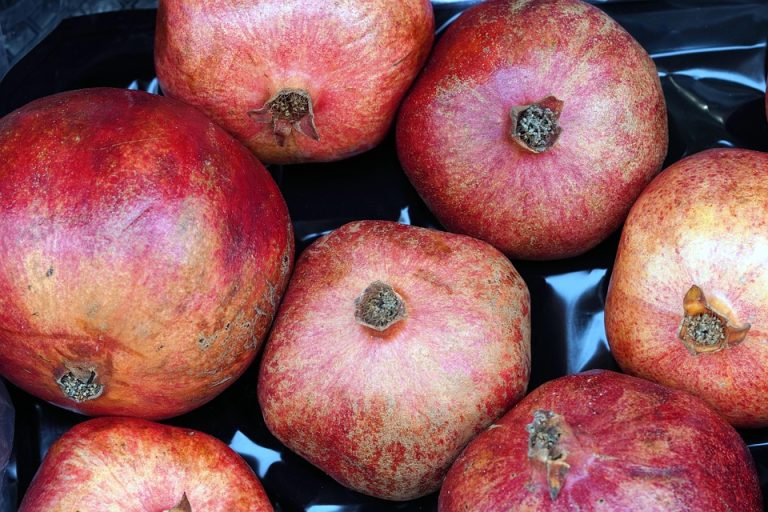
- Colorful fruits and vegetables: Provide essential vitamins, minerals, and antioxidants.
- Lean proteins: Support muscle repair and keep you feeling full (think beans, lentils, poultry, fish, and tofu).
- Whole grains: Offer sustained energy and dietary fiber for digestive health.
- Healthy fats: Support brain function and hormone production (found in olive oil, avocados, nuts, and seeds).
Hydration Matters
Water is involved in almost every bodily function, from regulating temperature to flushing out waste. Keep a reusable water bottle with you throughout the day. While plain water is best, herbal teas and water infused with fruit are also great ways to stay hydrated.
Pillar 2: Finding Joyful Movement
Exercise should never feel like a punishment for what you ate. Physical activity is a celebration of what your body can do, and the best workout is simply the one you actually enjoy and will stick with consistently.
The Power of Non-Exercise Activity
Formal workouts are great, but everyday movement matters tremendously for healthy living. This concept, known as NEAT (Non-Exercise Activity Thermogenesis), includes:
- Taking the stairs instead of the elevator.
- Walking while taking phone calls.
- Doing light stretching while watching television.
- Gardening or cleaning your home with enthusiasm.
Striking a Balance
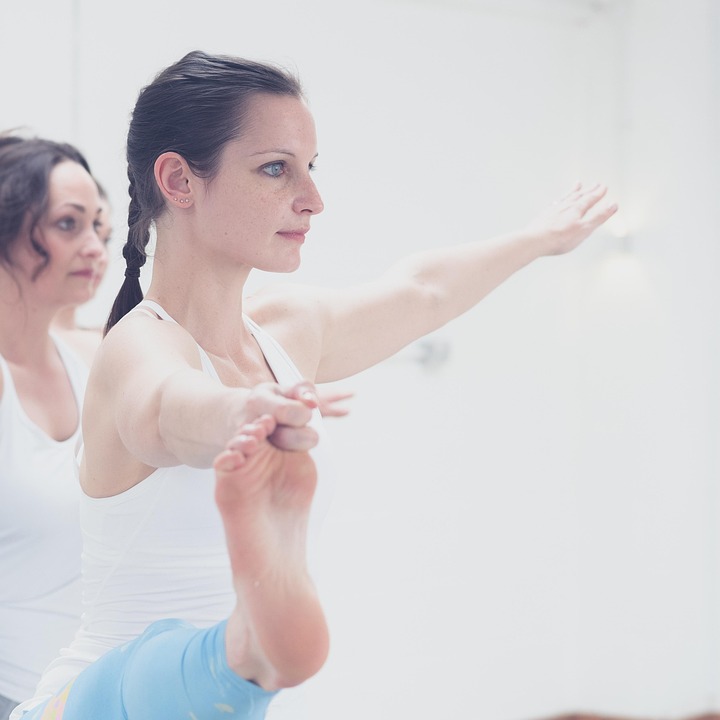
A well-rounded movement routine generally includes a mix of cardiovascular exercise (like brisk walking, swimming, or cycling), strength training (using body weight, resistance bands, or weights to protect bone and muscle mass), and flexibility work (like yoga or daily stretching).
Pillar 3: Prioritizing Restorative Sleep
In our culture, busyness is often worn as a badge of honor, and sleep is frequently the first thing we sacrifice. However, skimping on sleep works against every goal of healthy living.
Sleep is not a period of inactivity; it is a vital maintenance window during which your brain consolidates memories, your tissues repair themselves, and your immune system recharges.
Tips for Better Sleep Hygiene
- Maintain a consistent schedule: Go to bed and wake up at the same time every day, even on weekends.
- Create a wind-down routine: Turn off screens at least 45 minutes before bed and engage in relaxing activities like reading or journaling.
- Optimize your sleep environment: Keep your bedroom cool, dark, and quiet.
- Watch evening stimulants: Limit caffeine and heavy meals in the hours leading up to bedtime.
Pillar 4: Managing Stress and Mental Well-Being
Mental health is an inseparable component of overall wellness. Chronic, unmanaged stress triggers the release of cortisol, a hormone that—when elevated over long periods—can negatively impact digestion, sleep, immune function, and heart health.
Because stress is an inevitable part of modern life, the goal is not to eliminate it entirely, but to build resilience and practice effective coping strategies.
Simple Stress-Reduction Techniques
- Mindful breathing: Taking just five slow, deep breaths can activate the parasympathetic nervous system, signaling your body to calm down.
- Spending time in nature: Often called “ecotherapy,” spending time outdoors has been shown to lower blood pressure and reduce anxiety.
- Setting boundaries: Learning to say “no” to commitments that drain your energy is an act of self-care.
- Journaling: Writing down your thoughts can help clear mental clutter and put worries into perspective.
Building Sustainable Habits: The Secret to Long-Term Success
The most common pitfall in pursuing healthy living is trying to change everything at once. Motivation is high on January 1st or a Monday morning, but it inevitably fluctuates. Systems and habits are what carry you through when motivation fades.
The Habit-Stacking Method
Instead of overhauling your life overnight, use a technique called habit stacking. Attach a new healthy habit to an existing routine. For example:
- After I pour my morning coffee, I will drink one glass of water.
- After I brush my teeth at night, I will do two minutes of deep breathing.
- After I finish lunch, I will take a 10-minute walk outside.
Small, incremental changes compound over time into remarkable results. Drinking an extra glass of water or walking ten minutes a day may seem insignificant today, but over months and years, these micro-habits transform your health.
Key Takeaways
- Holistic Balance: True wellness includes physical nourishment, movement, mental health, and quality sleep working together.
- Progress Over Perfection: Sustainable healthy living relies on small, consistent habits rather than extreme restrictions or punishing routines.
- Nourish, Don’t Deprive: Focus on adding nutrient-dense whole foods and staying hydrated instead of adhering to fad diets.
- Find Movement You Enjoy: Exercise should feel rewarding, incorporating a mix of cardio, strength, and flexibility.
- Protect Your Rest: Sleep and stress management are non-negotiable pillars of long-term vitality.
Frequently Asked Questions
What is the most important part of healthy living?
No single component stands entirely alone, but sleep and nutrition are often considered the foundation. Without adequate rest and proper fuel, it is difficult to maintain energy for movement, mental clarity, and stress management.
How can I start living a healthier lifestyle if I feel overwhelmed?
Start with one micro-habit. Choose something very simple—such as adding one vegetable to your dinner or walking for 10 minutes a day—and practice it consistently for two weeks before adding another small change.
Do I need to cut out all my favorite foods to be healthy?
Not at all. A sustainable approach to healthy living allows for flexibility and enjoyment. Restrictive eating often leads to a cycle of deprivation and bingeing. All foods can fit into a balanced lifestyle in moderation.
How much exercise do I need each week?
While individual needs vary based on age, fitness level, and health status, general guidelines often suggest aiming for at least 150 minutes of moderate-intensity aerobic activity per week, alongside two days of strength-building exercises. Always listen to your body and consult a healthcare professional before starting a new fitness routine.
How does sleep affect weight and energy levels?
Inadequate sleep disrupts the hormones that regulate hunger and appetite (ghrelin and leptin), often leading to increased cravings for high-calorie, sugary foods. Furthermore, poor sleep impairs cellular repair and cognitive function, resulting in fatigue and low daily energy.