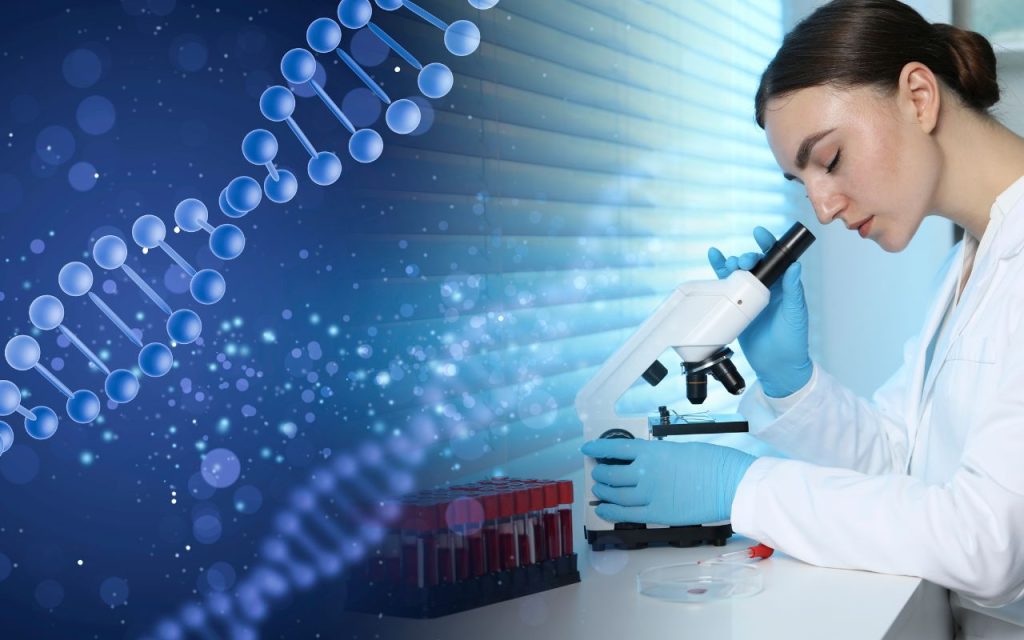


Your genes can influence many aspects of your health, but genetics is only one part of the picture. Explore how genes, family history, lifestyle, and environmental factors interact—and what genetic testing may reveal about your health.
Every person is unique, and one reason is found in our DNA. Genetics plays an important role in many aspects of human health, from inherited characteristics to the risk of developing certain conditions.
However, having a particular genetic variant does not always mean that a person will develop a specific disease.
What Is Genetics?
Genetics is the study of genes and how traits are passed from parents to their children. Genes are sections of DNA that contain biological information used by cells to perform different functions.
You inherit genetic material from both biological parents, creating a unique combination of genetic information.
Genes and Health
Genes can influence characteristics such as eye color, blood type, and other biological traits. They can also contribute to susceptibility to certain health conditions.
For many diseases, however, genetics is only one part of the picture.
Environmental factors, lifestyle, age, nutrition, physical activity, and other influences can interact with genetic factors.
Genetic Risk Does Not Always Mean Genetic Certainty
One of the most important things to understand about genetics is the difference between risk and certainty.
A genetic variant may increase someone’s likelihood of developing a particular condition without guaranteeing that the condition will occur.
Think of genetics as one part of a much larger health picture.
Why Family History Matters
Your family health history can provide useful clues about potential health risks. If several close relatives have had the same condition, particularly at younger-than-usual ages, discussing that history with a healthcare professional may be helpful.
Important information can include:
- The condition or diagnosis
- Which relative had it
- Approximate age when it developed
- Whether multiple relatives were affected
- Any known genetic diagnosis
What Is Genetic Testing?
Genetic testing examines DNA for specific changes or variants. Different tests are designed for different purposes, so a genetic test should be interpreted according to what it actually examines.
Some genetic tests are used in medical settings to help investigate inherited conditions or assess certain risks. Other consumer tests may provide information about ancestry or selected traits.
A test result can sometimes be difficult to interpret without appropriate professional guidance.
Genetics and Lifestyle
Genetic information does not mean that healthy lifestyle choices are irrelevant. Depending on the condition, factors such as nutrition, exercise, avoiding tobacco, maintaining a healthy weight, and appropriate medical screening may still play important roles.
In some situations, knowing that you have an increased genetic risk may help you and your healthcare professional make informed decisions about screening or prevention.
Genetics and Future Healthcare
As genetic research continues to develop, researchers are learning more about how genes interact with the environment and lifestyle. Genetic information may increasingly contribute to personalized approaches to healthcare.
However, genetic science is complex, and results should be interpreted carefully rather than used to make assumptions about an individual’s future health.
The Bottom Line
Your genes are an important part of your biology, but they are not necessarily your entire health story. Family history, environment, lifestyle, and other factors can all influence health outcomes.
Health Note: Genetic information can be complex and highly individual. If you are considering genetic testing or are concerned about an inherited condition, discuss your situation with a qualified healthcare professional or genetic counselor.
Featured Image Keywords:
DNA genetics, genetic health, DNA helix medical, genetic testing, personalized healthcare, family genetics, human DNA