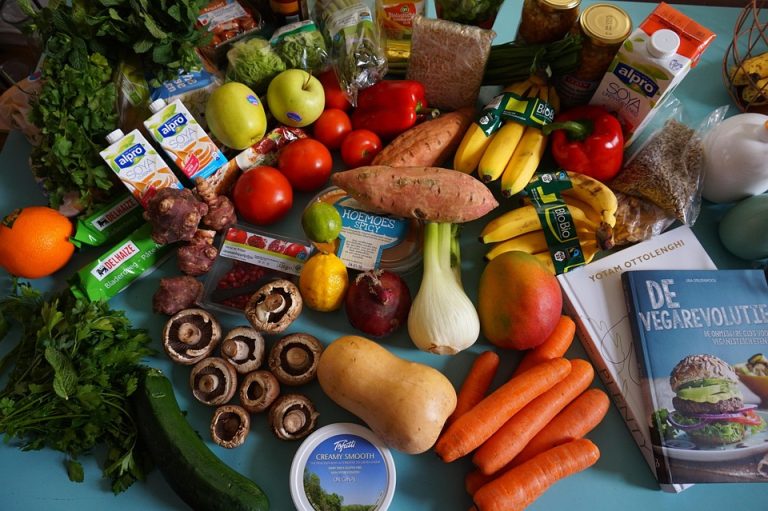






Learn about common food sensitivity symptoms, possible triggers, and the important difference between food sensitivities, intolerances, and allergies. Discover how keeping a food diary and seeking professional guidance can help you better understand your symptoms.
Food affects everyone differently. While some people can eat a wide variety of foods without problems, others may notice digestive or other symptoms after eating particular ingredients. Food sensitivities are often discussed alongside food allergies, but the two are not the same.
Understanding the difference can help you approach symptoms more carefully and avoid unnecessary dietary restrictions.
What Are Food Sensitivities?
The term “food sensitivity” is commonly used to describe difficulty tolerating certain foods or ingredients. Symptoms may occur after eating a particular food and can vary from person to person.
Food sensitivities are different from food allergies. A food allergy involves an immune-system reaction and can sometimes become a medical emergency. Food intolerance or sensitivity may involve digestive or other symptoms without the same type of allergic reaction.
Common Symptoms
Depending on the underlying cause, people may report symptoms such as:
- Bloating
- Gas
- Abdominal discomfort
- Changes in bowel habits
- Nausea
- Headaches
- Fatigue
- Skin symptoms
These symptoms can have many possible causes, so experiencing one of them does not automatically mean you have a food sensitivity.
Common Foods People Suspect
Some foods and ingredients are frequently associated with intolerance or sensitivity, including:
- Lactose-containing dairy products
- Gluten-containing foods
- Certain high-FODMAP foods
- Artificial sweeteners
- Certain food additives
- Individual foods that a person finds difficult to tolerate
However, removing a food from your diet simply because it is commonly blamed may not identify the actual cause.
Keep a Food and Symptom Journal
One practical way to understand possible patterns is to record what you eat and when symptoms occur.
You might track:
Food: What you ate
Time: When you ate it
Symptoms: What you experienced
Timing: When symptoms began
Quantity: Approximately how much you consumed
A food diary does not diagnose a sensitivity, but it can give you and your healthcare professional useful information to discuss.
Be Careful With Elimination Diets
Eliminating foods can sometimes help identify potential triggers, but removing many foods at once can make it difficult to determine what caused symptoms. It may also create nutritional gaps.
If you are considering a significant elimination diet, especially for a child, during pregnancy, or when you already have dietary restrictions, professional guidance can be particularly important.
Food Sensitivity vs. Food Allergy
A food allergy can cause symptoms such as hives, swelling, breathing difficulties, vomiting, or other potentially serious reactions. Severe allergic reactions require immediate medical attention.
Food intolerance or sensitivity generally does not follow the same mechanism as an allergy.
If you suspect a food allergy, do not attempt to diagnose it yourself or deliberately consume a suspected allergen to “test” your reaction.
When Should You Seek Medical Advice?
Speak with a healthcare professional if symptoms are persistent, severe, unexplained, or affecting your ability to eat normally. Medical evaluation can help rule out other conditions and determine whether testing or dietary changes are appropriate.
The Bottom Line
Food sensitivities can be confusing because many digestive and general symptoms have multiple possible causes. Instead of automatically eliminating foods, look for patterns, keep useful records, and seek professional guidance when necessary.
Health Note: This article is for educational purposes and does not diagnose food allergies, intolerances, or other medical conditions.