

Few kitchen staples bridge the gap between comforting flavor and robust nutrition quite like the sweet potato. With their vibrant orange flesh, natural sweetness, and remarkable versatility, these tubers have earned a permanent spot on grocery lists worldwide. However, maximizing their culinary and health potential goes beyond simply tossing them into the oven. Understanding how to choose the right varieties, store them properly, and apply smart cooking techniques can completely transform your weekly menu. Whether you are looking to elevate your meal prep routine or simply curious about how to make these nutrient-dense roots shine on your plate, a thoughtful approach to sweet potatoes makes all the difference. Decoding Varieties: Beyond the Standard Orange Tuber When most shoppers think of sweet potatoes, they picture the deep copper-skinned variety with bright orange flesh. Yet, the botanical family of sweet potatoes is surprisingly diverse, offering a range of textures, starch levels, and flavor profiles that suit different cooking applications. The Classic Jewel and Garnet These varieties are characterized by their moist, tender flesh and high sugar content. When roasted, their natural starches caramelize, creating a rich, custard-like interior. They are exceptionally well-suited for traditional baking, mashing, or blending into velvety soups. The Firm White and Japanese Sweet Potatoes Featuring lighter skin—ranging from pale tan to purple—these types generally contain less moisture and higher starch content, yielding a firmer, fluffier texture akin to a standard baking potato when cooked. Japanese sweet potatoes, distinguished by their reddish-purple skin and creamy white interior, offer a …
Few kitchen staples bridge the gap between comforting flavor and robust nutrition quite like the sweet potato. With their vibrant orange flesh, natural sweetness, and remarkable versatility, these tubers have earned a permanent spot on grocery lists worldwide. However, maximizing their culinary and health potential goes beyond simply tossing them into the oven. Understanding how to choose the right varieties, store them properly, and apply smart cooking techniques can completely transform your weekly menu.
Whether you are looking to elevate your meal prep routine or simply curious about how to make these nutrient-dense roots shine on your plate, a thoughtful approach to sweet potatoes makes all the difference.
Decoding Varieties: Beyond the Standard Orange Tuber
When most shoppers think of sweet potatoes, they picture the deep copper-skinned variety with bright orange flesh. Yet, the botanical family of sweet potatoes is surprisingly diverse, offering a range of textures, starch levels, and flavor profiles that suit different cooking applications.
The Classic Jewel and Garnet
These varieties are characterized by their moist, tender flesh and high sugar content. When roasted, their natural starches caramelize, creating a rich, custard-like interior. They are exceptionally well-suited for traditional baking, mashing, or blending into velvety soups.
The Firm White and Japanese Sweet Potatoes
Featuring lighter skin—ranging from pale tan to purple—these types generally contain less moisture and higher starch content, yielding a firmer, fluffier texture akin to a standard baking potato when cooked. Japanese sweet potatoes, distinguished by their reddish-purple skin and creamy white interior, offer a subtle, nutty sweetness and a dense, satisfying bite that holds its shape brilliantly in stir-fries and roasted vegetable medleys.
Purple-Fleshed Powerhouses
Varieties like the Stokes Purple boast a striking, vibrant hue driven by potent plant pigments. Their flavor is earthy and mildly sweet, and their dense texture makes them an eye-catching addition to any grain bowl or harvest salad.
Smart Shopping: Selecting the Best Roots at the Market
The quality of your final dish begins long before the cooking process starts. Finding firm, unblemished roots ensures optimal flavor, moisture, and longevity in your pantry.
- Check for Firmness: Give the root a gentle squeeze. It should feel completely solid with no soft spots, give, or spongy areas.
- Inspect the Skin: Look for smooth, taut skin free of deep bruises, cuts, or wrinkling. Wrinkled skin indicates that the potato has been stored too long and has begun to lose its internal moisture.
- Avoid Sprouting: While minor sprouts can sometimes be trimmed away, roots that show significant sprouting are usually past their prime and may have a woody texture or altered flavor.
- Mind the Size: Medium-sized roots offer the best balance of ease-of-preparation and texture. Extremely large roots can sometimes be woody or overly fibrous in the center.
Preservation Science: Proper Storage for Maximum Freshness
One of the most common mistakes people make with sweet potatoes is storing them incorrectly. Unlike standard white potatoes, raw sweet potatoes have specific environmental sensitivities that dictate how long they will last.
Avoid the Refrigerator
Storing raw sweet potatoes in the fridge is a major pitfall. The cold temperature alters their cellular structure, creating a hard core in the center and developing an undesirable, altered taste when eventually cooked.
Create the Ideal Pantry Environment
To keep your tubers fresh for weeks, store them in a cool, dark, and well-ventilated space—such as a pantry, cellar, or a dedicated cupboard away from the oven.
- Keep them in a breathable container, such as a wire basket, mesh bag, or paper bag. Avoid sealed plastic bags, which trap moisture and accelerate spoilage.
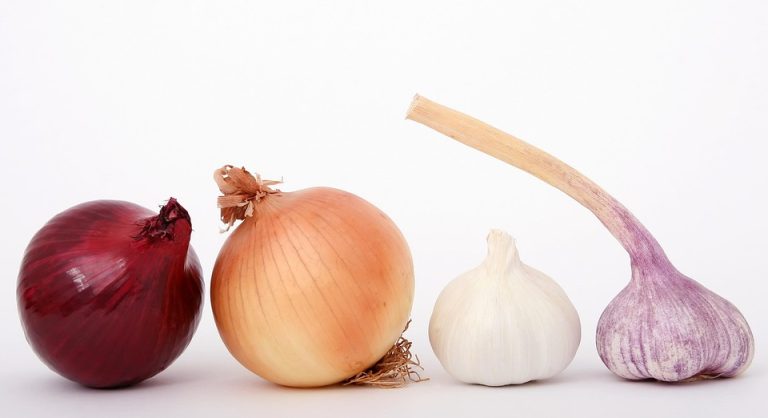
- Keep them away from onions. Onions release ethylene gas, a natural plant hormone that stimulates sprouting and premature decay in neighboring produce.
Culinary Techniques: Elevating Flavor and Texture
Because sweet potatoes contain natural sugars and complex carbohydrates, the way you cook them dramatically impacts their final character.
Low-and-Slow Roasting
Cubing sweet potatoes and roasting them at a moderate temperature (around 400°F or 200°C) allows the natural enzymes to break down starches into simpler sugars before the exterior burns. Toss them in a high-smoke-point cooking oil, a pinch of sea salt, and aromatic spices like smoked paprika or cumin for a crisp exterior and a tender inside.
Steaming for Quick Meal Prep
If you plan to mash your sweet potatoes or incorporate them into baked goods, steaming chunks in a basket over boiling water preserves their moisture without diluting their flavor. This method is exceptionally efficient for batch cooking.
Smart Flavor Pairings
Sweet potatoes provide a versatile canvas that adapts to both savory and spiced flavor profiles.
- Savory Pairings: Complement their natural sweetness with earthy herbs like rosemary and thyme, pungent garlic, toasted pecans, or sharp cheeses like goat cheese and feta.
- Warm Spice Pairings: Enhance their dessert-like qualities with cinnamon, nutmeg, ginger, and a touch of citrus zest.
Integrating Sweet Potatoes into a Balanced Eating Routine
Incorporating nutrient-dense foods into your weekly rhythm should feel effortless and enjoyable. Sweet potatoes fit seamlessly into diverse meal structures, providing complex carbohydrates, dietary fiber, and essential micronutrients like beta-carotene.
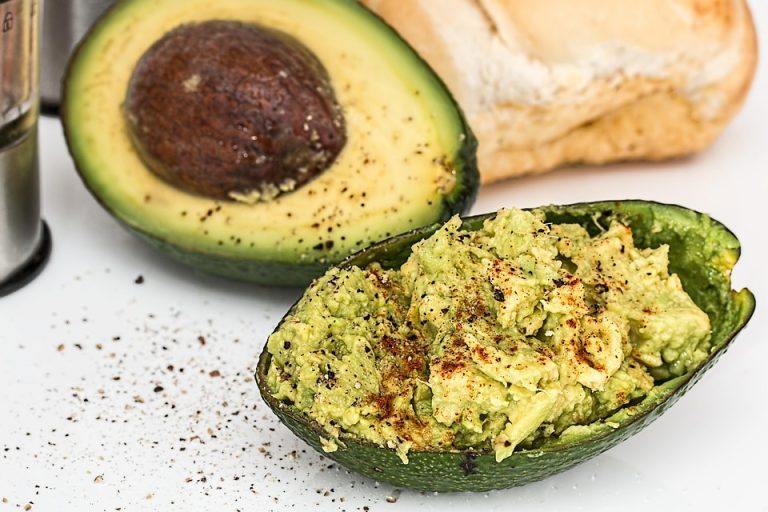
- Morning Fuel: Dice and roast sweet potatoes ahead of time, then fold them into a morning egg scramble with black beans, baby spinach, and avocado.
- Midday Bowls: Build a vibrant lunch bowl by pairing roasted sweet potato wedges with quinoa, massaged kale, roasted chickpeas, and a bright tahini-lemon dressing.
- Evening Comfort: Serve baked sweet potatoes stuffed with a savory lentil stew or grilled chicken breast, topped with a dollop of Greek yogurt for a satisfying, balanced dinner.
Frequently Asked Questions
Should I peel sweet potatoes before cooking them?
Peeling is entirely a matter of personal preference. The skin is completely edible and contains a significant portion of the tuber’s dietary fiber. If you prefer to leave the skin on, simply scrub the exterior thoroughly under running water and trim away any blemishes before cooking.
Why do my sweet potatoes turn mushy when I boil them?
Sweet potatoes contain varying amounts of starch and moisture depending on the variety and freshness. Boiling them rapidly can cause the outer layers to break down before the center is fully cooked. For mashing, cutting them into uniform, bite-sized pieces and steaming them or roasting them whole yields a much better texture.
Can I freeze cooked sweet potatoes?
Yes, cooked sweet potatoes freeze remarkably well. You can roast, steam, or mash them, allow them to cool completely, and store them in airtight freezer-safe containers or bags for up to three months. This makes meal prep exceptionally easy for busy weeks.
Are sweet potatoes better than white potatoes?
Neither is inherently “better” than the other; they simply offer different nutritional profiles. Sweet potatoes are particularly notable for their high vitamin A content (derived from beta-carotene) and distinct flavor profile, while white potatoes are rich in potassium and vitamin C. Including a variety of root vegetables in your diet provides the broadest range of nutrients.
How can I tell if a sweet potato has gone bad?
A spoiled sweet potato will typically feel very soft, mushy, or shriveled. It may also develop dark, discolored patches, mold, or emit a foul, off odor. If you notice any of these signs, it is best to discard the root.
Can I eat raw sweet potatoes?
While technically edible in small amounts, raw sweet potatoes are difficult to digest due to their high raw starch content and can cause gastrointestinal discomfort, gas, or bloating. Cooking breaks down these starches, making them far easier to digest and significantly more palatable.
Disclaimer: Nutritional needs vary from person to person depending on age, activity level, and health status. Individuals with specific medical conditions, food allergies, or dietary restrictions should consult a qualified healthcare professional or registered dietitian for personalized guidance.
SEO Meta Description: Discover the ultimate guide to selecting, storing, and cooking sweet potatoes. Learn unique varieties, flavor pairings, and smart meal prep tips.