

Digestive wellness is rarely a one-size-fits-all puzzle. For many individuals, after ruling out more complex medical conditions, physical discomfort following a meal can feel confusing and frustrating. Rather than broad dietary overhauls, understanding specific components within everyday foods often provides the clarity needed to enjoy meals with greater confidence. Among these dietary components, certain types of short-chain carbohydrates—specifically fructans—frequently draw attention in discussions surrounding digestive comfort. Examining how these compounds interact with the human digestive system helps demystify why certain wholesome ingredients might lead to unexpected bloating or gas. By focusing on practical awareness, portion management, and everyday eating patterns, you can cultivate a balanced relationship with food while supporting your digestive tract. What Are Fructans and Where Do They Hide? Fructans are a category of oligosaccharides—specifically, chains of fructose molecules linked together with a glucose molecule at the end. They belong to a broader group of fermentable carbohydrates often referred to by the acronym FODMAPs. While plants naturally produce fructans as a mechanism for energy storage and frost resistance, the human small intestine lacks the specific enzyme (inulinase) required to break down these complex molecular chains. Because they escape complete enzymatic breakdown in the upper GI tract, fructans travel onward to the large intestine. Here, resident gut bacteria eagerly ferment them. This fermentation process produces gas, which is a normal biological function; however, for some individuals, the volume of gas or the rate at which it is produced can lead to noticeable abdominal distension, cramping, and discomfort. Fructans are …
Digestive wellness is rarely a one-size-fits-all puzzle. For many individuals, after ruling out more complex medical conditions, physical discomfort following a meal can feel confusing and frustrating. Rather than broad dietary overhauls, understanding specific components within everyday foods often provides the clarity needed to enjoy meals with greater confidence. Among these dietary components, certain types of short-chain carbohydrates—specifically fructans—frequently draw attention in discussions surrounding digestive comfort.
Examining how these compounds interact with the human digestive system helps demystify why certain wholesome ingredients might lead to unexpected bloating or gas. By focusing on practical awareness, portion management, and everyday eating patterns, you can cultivate a balanced relationship with food while supporting your digestive tract.
What Are Fructans and Where Do They Hide?
Fructans are a category of oligosaccharides—specifically, chains of fructose molecules linked together with a glucose molecule at the end. They belong to a broader group of fermentable carbohydrates often referred to by the acronym FODMAPs. While plants naturally produce fructans as a mechanism for energy storage and frost resistance, the human small intestine lacks the specific enzyme (inulinase) required to break down these complex molecular chains.
Because they escape complete enzymatic breakdown in the upper GI tract, fructans travel onward to the large intestine. Here, resident gut bacteria eagerly ferment them. This fermentation process produces gas, which is a normal biological function; however, for some individuals, the volume of gas or the rate at which it is produced can lead to noticeable abdominal distension, cramping, and discomfort.
Fructans are remarkably common in the modern food supply. They appear not only in foods traditionally associated with digestive inquiry but also in everyday pantry staples that form the foundation of a nutritious diet:
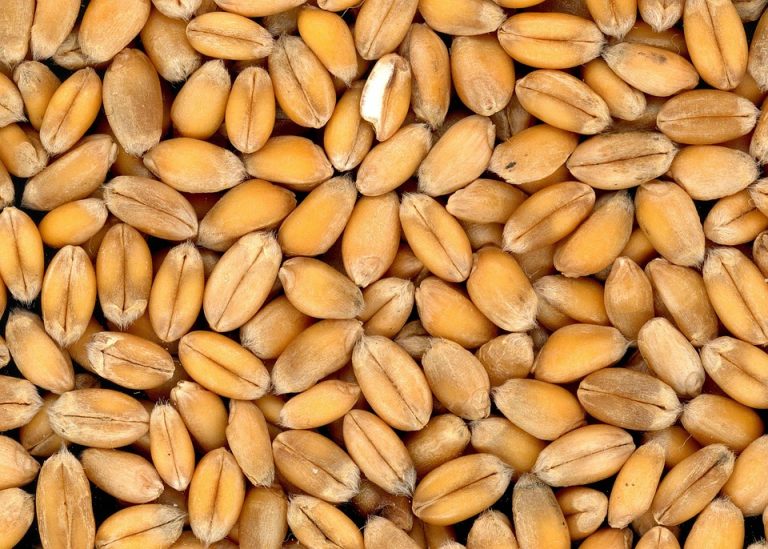
- Cereals and Grains: Wheat, barley, and rye contain notable amounts of fructans. This is why bread, pasta, and baked goods are frequently evaluated by individuals monitoring their carbohydrate intake.
- Alliums (The Onion Family): Onions, shallots, garlic, leeks, and scallions are among the most concentrated sources of fructans used in daily cooking.
- Vegetables: Artichokes (both globe and Jerusalem), asparagus, beetroot, Brussels sprouts, and fennel contribute varying degrees of these carbohydrates.
- Fruits: Watermelon, dried fruits like dates and raisins, and persimmons contain fructans alongside other fermentable sugars.
Fructan Sensitivity vs. Wheat Allergy and Celiac Disease
When individuals experience physical discomfort after consuming wheat-based foods or alliums, it is easy to assume a single cause is to blame. However, differentiating between distinct physiological reactions is vital for safe and effective dietary management.
Food Allergies
A food allergy involves an immune system response where the body mistakenly identifies a harmless food protein—such as the gluten proteins found in wheat—as a dangerous invader. This triggers immunoglobulin E (IgE) antibodies and can result in rapid, severe symptoms ranging from hives and swelling to respiratory distress or anaphylaxis.
Celiac Disease
Celiac disease is a chronic autoimmune condition triggered specifically by the ingestion of gluten (a protein composite found in wheat, barley, and rye). When a person with celiac disease consumes gluten, their immune system mounts a response that damages the delicate villi lining the small intestine, impairing nutrient absorption. This condition requires strict, lifelong medical management and formal diagnostic testing (such as blood panels and intestinal biopsies) before any dietary changes are initiated.
Fructan Intolerance or Sensitivity
In contrast, a sensitivity to fructans is a non-allergic, non-autoimmune digestive response. The issue is mechanical and chemical rather than immunological: the digestive tract simply struggles to process the carbohydrate chains efficiently. Symptoms are typically confined to the gastrointestinal tract—such as excess gas, rumbling, and bloating—rather than systemic immune reactions.
Important Note: If you suspect you have a wheat allergy or celiac disease, it is essential to consult a healthcare professional or gastroenterologist before eliminating gluten from your diet. Removing gluten prematurely can interfere with the accuracy of diagnostic testing for celiac disease.
Recognizing Common Physical Patterns
When fructans or other fermentable carbohydrates do not break down smoothly, the resulting sensations can vary widely from person to person. Common manifestations reported by individuals include:
- Abdominal Bloating: A feeling of tightness or fullness in the abdomen, sometimes accompanied by visible distension as the day progresses.
- Excess Gas: Increased flatulence resulting from bacterial fermentation in the colon.
- Cramping or Discomfort: Mild to moderate intermittent discomfort in the lower abdomen.
- Bowel Irregularity: Shifts between loose stools and sluggishness, depending on how fluid is drawn into the bowel during the fermentation process.
It is worth noting that these symptoms are not unique to fructan sensitivity. Similar physical patterns can arise from eating too quickly, consuming carbonated beverages, stress, hormonal fluctuations, or other underlying digestive conditions like irritable bowel syndrome (IBS). Because symptoms overlap significantly, assuming that a specific food is the sole culprit without careful observation can lead to unnecessary dietary restrictions.
Practical Strategies for Everyday Eating
Managing digestive sensitivity to fructans does not require abandoning flavorful meals or stripping your diet of variety. Instead, thoughtful adjustments to preparation methods, portion sizes, and meal planning can make a substantial difference in daily comfort.
1. Explore Cooking and Preparation Techniques
The water-soluble nature of fructans offers a helpful culinary workaround, particularly when dealing with alliums like garlic and onions:
- Infused Oils: Fructans dissolve readily in water, but they do not dissolve in oil. Sautéing whole garlic cloves or sliced onions in cooking oil allows the flavorful aromatic compounds to transfer into the fat while leaving the fructans behind. You can then discard the solid pieces and use the flavorful oil in your cooking.
- Canned vs. Fresh: Processing and canning can alter carbohydrate content. For instance, canned lentils or chickpeas often have lower water-soluble carbohydrate levels compared to their dry-cooked counterparts because the fructans leach into the canning liquid, which is subsequently rinsed away.
2. Focus on Portion Awareness
Digestive tolerance is frequently dose-dependent. A small slice of onion in a mixed salad might cause zero discomfort, whereas a large serving of onion soup could trigger noticeable symptoms. Learning your personal threshold allows you to enjoy favorite foods occasionally without experiencing distress.
3. Maintain Dietary Variety and Nutrition
Restricting entire food groups—such as all grains or all vegetables—can inadvertently lead to fiber deficiencies, reduced intake of essential micronutrients, and a less diverse gut microbiome. When adjusting your intake of high-fructan foods, ensure you continue to consume a rich array of alternative vegetables, tolerated fruits, and balanced macronutrients.
4. Keep a Structured Food and Symptom Diary
If you suspect that certain ingredients consistently provoke digestive distress, track your meals alongside your symptoms for a week or two. Note portion sizes, preparation styles, and timing. This log serves as an invaluable tool if you choose to discuss your patterns with a registered dietitian or physician, helping to pinpoint actual triggers rather than relying on guesswork.
Conclusion
Navigating digestive comfort is a journey of self-awareness and informed choices rather than restrictive elimination. Fructans—found naturally in wholesome foods like wheat, onions, and garlic—demonstrate how even nutritious ingredients can occasionally challenge the gastrointestinal tract. By understanding the biological nature of these carbohydrates, distinguishing them from immune-mediated conditions like celiac disease, and applying practical kitchen strategies, you can maintain a balanced, enjoyable diet while supporting your overall digestive well-being. When persistent symptoms interfere with your daily life, partnering with a qualified healthcare professional remains the safest path toward long-term clarity and comfort.
Frequently Asked Questions
What is the difference between fructans and gluten?
Fructans are a type of short-chain carbohydrate (sugar molecules linked together), while gluten is a protein composite found in wheat, barley, and rye. Although they often coexist in foods like bread and pasta, they affect the body through entirely different mechanisms. Fructan sensitivity relates to carbohydrate fermentation in the gut, whereas gluten issues can involve autoimmune responses (like celiac disease) or immune-mediated allergies.
Can I still eat garlic and onions if I am sensitive to fructans?
Yes, many people with fructan sensitivities do not need to banish garlic and onions entirely. Because fructans are water-soluble, cooking with garlic-infused oils allows you to enjoy the flavor without ingesting the carbohydrates themselves. Additionally, adjusting portion sizes or using the green tops of scallions—which generally contain fewer fructans than the white bulbs—can help manage intake.
Why do some people tolerate sourdough bread better than standard wheat bread?
Traditional sourdough bread relies on long fermentation processes involving wild yeasts and lactic acid bacteria. During this extended fermentation, the microorganisms consume a significant portion of the fermentable carbohydrates—including fructans—present in the flour. As a result, authentic long-ferment sourdough is often easier on the digestive system for individuals sensitive to fructans.
Should I cut out all grains if I experience bloating?
Not necessarily. Grains vary widely in their carbohydrate profiles. While wheat, barley, and rye contain higher levels of fructans, alternative grains such as quinoa, rice, oats, and buckwheat are generally well-tolerated and provide valuable fiber and B vitamins. Eliminating all grains without guidance can unnecessarily reduce your dietary fiber intake and nutritional variety.
When should I see a doctor about persistent digestive discomfort?
You should consult a qualified healthcare professional if your digestive symptoms are persistent, worsening, severe, or accompanied by “red flag” indicators such as unexplained weight loss, persistent fever, blood in your stool, or nocturnal symptoms that wake you from sleep. Professional evaluation ensures that more serious medical conditions are ruled out before making major dietary adjustments.
SEO Meta Description: Explore how fructans affect digestive comfort, learn the difference between sensitivity and celiac disease, and discover practical daily eating tips.