


In today’s fast-paced world, the concept of wellness often feels like a moving target. We are constantly bombarded with conflicting advice about the latest superfoods, grueling workout routines, and miraculous 10-day transformations. For many readers of The Health Care, this endless stream of information leads to burnout rather than better health. True healthy living, however, is not about perfection or extreme lifestyle overhauls. It is about building a sustainable foundation of daily habits that nourish your mind, body, and spirit over the long term. Whether you are looking to boost your energy, manage stress, or simply feel more comfortable in your own skin, adopting a balanced approach to wellness can make all the difference. Let’s explore practical, evidence-based strategies to help you incorporate healthy living into your everyday routine without feeling overwhelmed. What Does Healthy Living Really Mean? At its core, healthy living is the practice of making daily choices that support your physical, mental, and emotional well-being. It is not a rigid set of rules, but rather a flexible framework that adapts to your unique lifestyle, age, and personal goals. When we talk about wellness, we often focus solely on diet and exercise. While nutrition and movement are vital pillars, true health encompasses a much broader spectrum of lifestyle factors: Physical Health: Nourishing your body with whole foods, staying active, and getting restorative sleep. Mental and Emotional Well-being: Managing stress, cultivating emotional resilience, and nurturing a positive mindset. Social Connection: Building and maintaining supportive relationships with family, friends, and …
In today’s fast-paced world, the concept of wellness often feels like a moving target. We are constantly bombarded with conflicting advice about the latest superfoods, grueling workout routines, and miraculous 10-day transformations. For many readers of The Health Care, this endless stream of information leads to burnout rather than better health.
True healthy living, however, is not about perfection or extreme lifestyle overhauls. It is about building a sustainable foundation of daily habits that nourish your mind, body, and spirit over the long term.
Whether you are looking to boost your energy, manage stress, or simply feel more comfortable in your own skin, adopting a balanced approach to wellness can make all the difference. Let’s explore practical, evidence-based strategies to help you incorporate healthy living into your everyday routine without feeling overwhelmed.
What Does Healthy Living Really Mean?
At its core, healthy living is the practice of making daily choices that support your physical, mental, and emotional well-being. It is not a rigid set of rules, but rather a flexible framework that adapts to your unique lifestyle, age, and personal goals.
When we talk about wellness, we often focus solely on diet and exercise. While nutrition and movement are vital pillars, true health encompasses a much broader spectrum of lifestyle factors:
- Physical Health: Nourishing your body with whole foods, staying active, and getting restorative sleep.
- Mental and Emotional Well-being: Managing stress, cultivating emotional resilience, and nurturing a positive mindset.
- Social Connection: Building and maintaining supportive relationships with family, friends, and your community.
- Environmental Awareness: Creating safe, clean, and inspiring living and working spaces.
By viewing wellness through this holistic lens, you can break free from the “all-or-nothing” mindset and focus on small, manageable improvements.
Pillar 1: Fueling Your Body with Mindful Nutrition
Food is information, fuel, and comfort. Adopting a healthy diet does not mean restricting yourself to bland meals or cutting out entire food groups (unless medically necessary). Instead, it is about shifting your focus toward nutrient density and mindful eating habits.
Focus on Whole Foods
A balanced diet rich in whole foods provides your body with the essential vitamins, minerals, and antioxidants it needs to function optimally.
- Colorful Fruits and Vegetables: Aim to fill half your plate with produce at most meals. Different colors represent different phytonutrients that support various bodily functions.
- Quality Protein: Incorporate lean meats, fish, eggs, legumes, and plant-based proteins to support muscle maintenance and satiety.
- Complex Carbohydrates: Choose whole grains like quinoa, brown rice, oats, and whole-wheat products for sustained energy and digestive health.
- Healthy Fats: Include sources of unsaturated fats, such as avocados, olive oil, nuts, and seeds, which are essential for brain health and hormone regulation.
The Power of Hydration
Water is involved in almost every major bodily function, including digestion, temperature regulation, and nutrient transport. Mild dehydration can lead to fatigue, headaches, and difficulty concentrating. While individual water needs vary based on activity level, climate, and body size, aiming for a consistent intake of water throughout the day is a cornerstone of healthy living.
Pillar 2: Finding Joyful Movement
Exercise is often viewed as a chore—something we must do to “burn off” what we ate or to achieve a specific body shape. This mindset can make physical activity feel like a punishment.
To make fitness a sustainable part of your lifestyle, the secret is to shift your perspective from punishing your body to celebrating what it can do.
Redefining Physical Activity
You do not need to spend hours in a traditional gym to reap the benefits of regular movement. The goal is simply to reduce sedentary time and keep your body moving in ways you genuinely enjoy.
- Cardiovascular Health: Activities like brisk walking, cycling, swimming, and dancing strengthen your heart and improve endurance.
- Strength and Resistance: Incorporating bodyweight exercises, resistance bands, or weightlifting helps preserve muscle mass, protect bone density, and support metabolic health as you age.
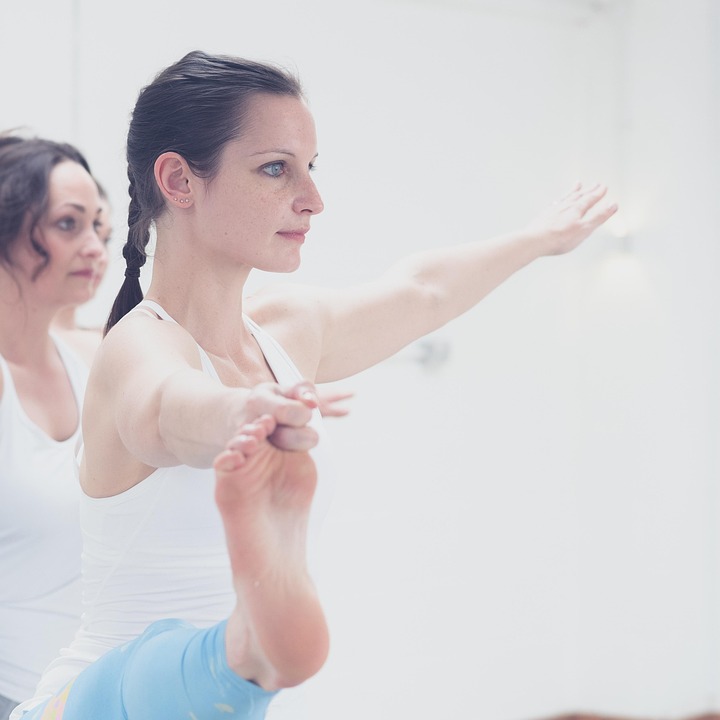
- Flexibility and Balance: Practices like yoga, tai chi, and daily stretching enhance mobility, posture, and joint health.
Consistency Over Intensity
Consistency is far more important than intensity. A 20-minute daily walk that you actually look forward to is much more beneficial in the long run than an intense workout regime that leaves you exhausted and causes you to quit after two weeks.
Pillar 3: Prioritizing Rest and Recovery
In our culture, busyness is often worn as a badge of honor. We sacrifice sleep to meet work deadlines, catch up on shows, or scroll through social media. However, neglecting rest is one of the fastest ways to derail your healthy living goals.
The Science of Sleep
Sleep is not a passive state; it is an active, vital period during which your body repairs tissues, consolidates memories, and regulates hormones. Chronic sleep deprivation has been linked to weakened immune function, elevated stress levels, and challenges with metabolic health.
- Establish a Routine: Go to bed and wake up at the same time every day, even on weekends, to support your body’s internal clock.
- Optimize Your Sleep Environment: Keep your bedroom cool, dark, and quiet.
- Disconnect Before Bed: Limit exposure to screens (phones, tablets, televisions) for at least an hour before sleep, as the blue light can interfere with melatonin production.
Pillar 4: Cultivating Mental Resilience and Stress Management
Mental well-being is an inseparable component of overall health. Chronic stress triggers the release of cortisol, a hormone that, when elevated over long periods, can negatively impact your immune system, digestion, and sleep quality.
While you cannot eliminate stress from your life, you can change how you respond to it.
Practical Stress-Reduction Techniques
- Mindfulness and Meditation: Spending just five to ten minutes a day focusing on your breath can help calm your nervous system and bring your awareness to the present moment.
- Time in Nature: Spending time outdoors—often referred to as “nature therapy”—has been shown to lower blood pressure and reduce feelings of anxiety.
- Setting Boundaries: Learn to say no to commitments that drain your energy and protect time for activities that recharge you.
How to Build Sustainable Healthy Habits
Knowing what to do is only half the battle; the real challenge is implementation. If you try to change everything at once, you are likely to feel overwhelmed. Here is how to create lasting change:
- Start Small (Micro-Habits): Instead of resolving to wake up an hour earlier and work out every day, start by waking up 10 minutes earlier to stretch or drink a glass of water.
- Stack Your Habits: Attach a new habit to an existing one. For example, do five minutes of deep breathing right after you brew your morning coffee.
- Track Your Progress: Keep a simple journal or use an app to celebrate your daily wins and stay accountable.
- Practice Self-Compassion: Healthy living is a journey filled with ups and downs. If you miss a workout or eat a less-than-nutritious meal, simply acknowledge it and get back on track the next day without guilt.
Key Takeaways
- Holistic Approach: Healthy living encompasses physical nutrition, regular movement, restorative sleep, and mental well-being.
- Focus on Whole Foods: Prioritize a balanced diet rich in colorful produce, quality proteins, healthy fats, and complex carbohydrates.
- Find Joy in Movement: Choose physical activities that you genuinely enjoy rather than forcing yourself into grueling routines.
- Prioritize Rest: Quality sleep and effective stress management are just as important as diet and exercise.
- Embrace Consistency: Small, sustainable daily habits yield far better long-term results than extreme, short-term lifestyle overhauls.
Frequently Asked Questions (FAQs)
What is the most important aspect of healthy living?
There is no single “most important” aspect, as true wellness is holistic. However, maintaining a foundation of adequate sleep, balanced nutrition, and regular movement creates a strong platform for overall well-being.
How can I start living a healthier lifestyle if I am extremely busy?
Begin by focusing on micro-habits. Choose one small, manageable change—such as drinking an extra glass of water each day or taking a 10-minute walk during your lunch break—and build from there as it becomes second nature.
Do I need to cut out my favorite foods to be healthy?
No. A sustainable healthy lifestyle allows room for flexibility and enjoyment. Focusing on nutrient-dense whole foods most of the time leaves plenty of room for foods you love in moderation.
How much physical activity do adults actually need?
Major health organizations generally recommend at least 150 minutes of moderate-intensity aerobic activity (such as brisk walking) and two days of muscle-strengthening activity per week. However, any movement is better than none.
How does stress impact physical health?
Chronic stress keeps the body in a prolonged “fight or flight” state, which can elevate blood pressure, disrupt sleep, weaken immune function, and negatively affect digestion. Incorporating stress-management techniques is essential for physical health.