

Walking down the grocery store aisles can sometimes feel overwhelming. With bright packaging shouting about various wellness claims and thousands of food options competing for your attention, translating healthy eating intentions into a tangible cart of groceries takes strategy. Building a genuinely nourishing diet does not start in the kitchen; it starts in the supermarket cart. When you approach grocery shopping with a clear framework, you transform the supermarket from a maze of marketing traps into a reliable source of vitality. Choosing wholesome whole foods, navigating the perimeter of the store, and selecting items that support your daily vitality requires moving past food labels and looking directly at overall diet quality. Decoding the Supermarket Layout The architecture of a typical grocery store is designed to influence purchasing decisions, but understanding this layout can work entirely to your advantage. Most supermarkets place fresh produce, dairy, meats, and seafood around the outer perimeter, while the inner aisles are largely dedicated to processed, shelf-stable, and packaged goods. While the center aisles are not devoid of nutritional value—after all, they house beans, lentils, whole grains, and canned tomatoes—focusing your initial attention on the perimeter sets a strong foundation. The Produce Department Strategy Fresh fruits and vegetables are the cornerstone of a vibrant eating pattern. To maximize both nutritional variety and flavor, shop seasonally when possible and aim for a diversity of colors. Every color pigment in produce corresponds to different plant compounds and micronutrients: Deep reds and pinks often indicate antioxidants like lycopene. Blues …
Walking down the grocery store aisles can sometimes feel overwhelming. With bright packaging shouting about various wellness claims and thousands of food options competing for your attention, translating healthy eating intentions into a tangible cart of groceries takes strategy. Building a genuinely nourishing diet does not start in the kitchen; it starts in the supermarket cart.
When you approach grocery shopping with a clear framework, you transform the supermarket from a maze of marketing traps into a reliable source of vitality. Choosing wholesome whole foods, navigating the perimeter of the store, and selecting items that support your daily vitality requires moving past food labels and looking directly at overall diet quality.
Decoding the Supermarket Layout
The architecture of a typical grocery store is designed to influence purchasing decisions, but understanding this layout can work entirely to your advantage. Most supermarkets place fresh produce, dairy, meats, and seafood around the outer perimeter, while the inner aisles are largely dedicated to processed, shelf-stable, and packaged goods.
While the center aisles are not devoid of nutritional value—after all, they house beans, lentils, whole grains, and canned tomatoes—focusing your initial attention on the perimeter sets a strong foundation.
The Produce Department Strategy
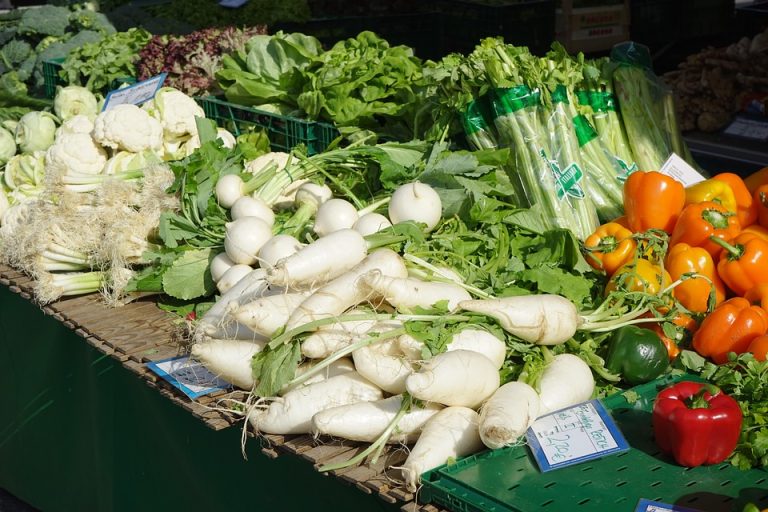
Fresh fruits and vegetables are the cornerstone of a vibrant eating pattern. To maximize both nutritional variety and flavor, shop seasonally when possible and aim for a diversity of colors. Every color pigment in produce corresponds to different plant compounds and micronutrients:
- Deep reds and pinks often indicate antioxidants like lycopene.
- Blues and purples suggest anthocyanins, which support cellular health.
- Greens frequently signal rich reserves of folate, vitamin K, and iron.
- Yellows and oranges highlight beta-carotene and vitamin C.
When building your cart, balance delicate items like leafy greens that require earlier consumption in the week with sturdier vegetables like sweet potatoes, carrots, cabbage, and winter squash that offer impressive longevity.
Navigating Whole Foods vs. Processed Options
Modern grocery stores offer a vast spectrum of food processing, ranging from minimally altered whole items to ready-to-eat convenience meals. Understanding how to evaluate these options helps you maintain a balanced plate without spending hours in the kitchen every evening.
The Value of Smart Convenience
Whole food cooking is ideal, but real life involves busy schedules, long workdays, and unpredictable commitments. Utilizing smart convenience items can bridge the gap between healthy intentions and time constraints. Look for nutrient-dense shortcut items that retain their core wholesome qualities:
- Pre-washed, pre-chopped salad greens or cruciferous slaws.
- Frozen fruit and vegetables, which are typically flash-frozen at peak ripeness to preserve their vitamin profile.
- Canned wild-caught salmon, tuna, or sardines for quick, protein-rich meals.
- Pre-cooked whole grains like microwaveable brown rice, quinoa, or farro with minimal added sodium or oils.
Mastering the Ingredient List and Nutrition Label
Reading a food label effectively is one of the most empowering skills you can develop for your health. Rather than getting distracted by front-of-package marketing buzzwords like “made with real fruit” or “multigrain,” focus your attention on the back of the package.
What to Look For
- The Ingredient List: Ingredients are listed in descending order by weight. Look for items where whole foods appear at the very top. Short, recognizable ingredient lists generally indicate a less processed product.
- Added Sugars: Be mindful of hidden sugars, which can appear under dozens of different names such as high-fructose corn syrup, cane juice crystals, maltose, and brown rice syrup.
- Dietary Fiber: For grain products, breads, and packaged snacks, check the fiber content. Prioritizing foods with a meaningful amount of dietary fiber supports digestive health and helps maintain steady energy levels throughout the day.
Planning Ahead: The Weekly Grocery Blueprint
Impulse buying at the supermarket usually happens when you shop hungry or without a plan. Developing a simple weekly blueprint prevents food waste, saves money, and ensures you have the building blocks for balanced meals readily available.
The Core Cart Categories
Before you leave home, organize your shopping list into functional pillars:
- Foundation Vegetables: Leafy greens, cruciferous vegetables, onions, garlic, and colorful peppers.
- Quality Proteins: Poultry, eggs, lean cuts of meat, sustainable seafood, or plant-based options like tofu and tempeh.
- Complex Carbohydrates: Oats, brown rice, quinoa, whole-grain sourdough, and starchy tubers.
- Nourishing Fats: Extra virgin olive oil, avocados, raw nuts, and seeds like chia, hemp, and pumpkin seeds.
- Pantry Staples: Canned beans, tomato paste, vinegars, broths, and essential spices.
Having these staples on hand ensures you can pull together a balanced meal—featuring a mix of fiber, protein, and healthy fats—even when you haven’t had time for a major grocery run.
Common Grocery Shopping Pitfalls to Avoid
Even the most well-intentioned shoppers can fall into common traps that derail their nutrition goals. Being aware of these tendencies makes it easier to stay on track.
- Shopping While Hungry: Entering a grocery store with an empty stomach amplifies cravings for hyper-palatable, highly processed foods high in added sugars and refined sodium. Eat a small, protein-containing snack before you head out.
- Overbuying Perishables: Purchasing massive quantities of fresh spinach, berries, or delicate herbs with the best of intentions often leads to food waste if your schedule changes mid-week. Buy only what you realistically plan to consume within a few days, and supplement with frozen varieties for backup.
- Ignoring Unit Pricing: Healthy eating should be financially sustainable. Check the unit price (the cost per ounce or per gram) rather than just the total package price to ensure you are getting the best value for staple items.
Frequently Asked Questions
Is it necessary to buy all organic produce?
Not necessarily. While organic options reduce exposure to synthetic pesticide residues, conventional produce provides vital vitamins, minerals, and dietary fiber. If budget is a concern, prioritize organic choices for thin-skinned fruits and vegetables where the peel is consumed, and standard produce for items with thick, protective rinds like avocados, onions, and melons.
Are frozen vegetables as nutritious as fresh ones?
Yes. Frozen vegetables are typically processed and flash-frozen within hours of harvest, locking in their vitamin and mineral content. In some cases, they may even retain higher nutrient levels than fresh produce that has spent days in transit and sitting on supermarket shelves.
How can I reduce food waste with fresh groceries?
Plan your meals around the items that spoil the fastest. Consume delicate greens, berries, and fresh fish during the first few days of the week. Save starchy vegetables, frozen foods, and pantry staples for later in the week. Additionally, washing and prepping produce immediately upon returning home makes you much more likely to use it.
What are the best protein sources to keep on hand for busy days?
Canned beans, lentils, tuna, and salmon require zero preparation time and offer exceptional shelf life. Eggs, Greek yogurt, and pre-cooked grilled chicken strips or tofu are also reliable refrigerator staples that can quickly anchor a balanced meal.
How do I identify hidden added sugars on food labels?
Manufacturers use many different terms for sugar. Look out for ingredients ending in “-ose” (dextrose, fructose, sucrose), syrups (corn syrup, malt syrup), and terms like cane juice, molasses, and fruit juice concentrate. If these appear high up on the ingredient list, the product is likely high in added sugars.
Does shopping the perimeter of the store guarantee a healthy cart?
Shopping the perimeter is a great general guideline because it houses fresh produce, meats, dairy, and seafood. However, the perimeter also includes processed deli meats, high-fat cheeses, and sugary baked goods. Mindfulness is still required regardless of which aisle you are walking through.
Disclaimer: Nutritional needs vary significantly from person to person based on age, activity level, health status, and personal goals. The information provided in this article is for educational purposes only and should not replace professional medical or dietary advice. Individuals with specific medical conditions, food allergies, or unique nutritional requirements should consult a qualified healthcare provider or registered dietitian.
Meta Description: Master the art of healthy grocery shopping with our practical guide. Learn how to navigate supermarket layouts, decode food labels, and build a nutrient-dense cart.