

SEO Meta Description: Discover the difference between food allergies, sensitivities, and intolerances. Learn how to identify triggers, support digestive wellness, and eat mindfully.Have you ever finished a healthy meal only to feel uncomfortably bloated, sluggish, or plagued by a dull headache an hour later? You are not alone. Many people experience lingering discomfort after eating, often wondering if a particular food is to blame. Navigating the world of nutrition can feel overwhelming, especially when your own body seems to be sending mixed signals. Understanding how your digestive system reacts to what you eat is a powerful step toward better overall well-being. At The Health Care, we believe that knowledge is the foundation of health. Let’s explore the nuances of food sensitivities, how they differ from allergies and intolerances, and what you can do to support your digestive health with confidence and care. Clarifying Terms: Allergy, Intolerance, and Sensitivity When discussing adverse reactions to food, the terms "allergy," "intolerance," and "sensitivity" are often used interchangeably. However, from a medical and physiological standpoint, they are quite different. Knowing the distinction helps you approach your digestive health safely. Food Allergies: The Immune System’s Emergency Response A true food allergy involves your immune system. When you consume an allergen, your immune system mistakenly identifies it as a harmful invader and produces IgE antibodies. Even microscopic amounts of the food can trigger a severe reaction, ranging from hives and swelling to trouble breathing or anaphylaxis. Common triggers include peanuts, tree nuts, shellfish, and eggs. Food …
SEO Meta Description: Discover the difference between food allergies, sensitivities, and intolerances. Learn how to identify triggers, support digestive wellness, and eat mindfully.
Have you ever finished a healthy meal only to feel uncomfortably bloated, sluggish, or plagued by a dull headache an hour later? You are not alone. Many people experience lingering discomfort after eating, often wondering if a particular food is to blame.
Navigating the world of nutrition can feel overwhelming, especially when your own body seems to be sending mixed signals. Understanding how your digestive system reacts to what you eat is a powerful step toward better overall well-being.
At The Health Care, we believe that knowledge is the foundation of health. Let’s explore the nuances of food sensitivities, how they differ from allergies and intolerances, and what you can do to support your digestive health with confidence and care.
Clarifying Terms: Allergy, Intolerance, and Sensitivity
When discussing adverse reactions to food, the terms “allergy,” “intolerance,” and “sensitivity” are often used interchangeably. However, from a medical and physiological standpoint, they are quite different. Knowing the distinction helps you approach your digestive health safely.
Food Allergies: The Immune System’s Emergency Response
A true food allergy involves your immune system. When you consume an allergen, your immune system mistakenly identifies it as a harmful invader and produces IgE antibodies.
Even microscopic amounts of the food can trigger a severe reaction, ranging from hives and swelling to trouble breathing or anaphylaxis. Common triggers include peanuts, tree nuts, shellfish, and eggs. Food allergies require strict avoidance and medical diagnosis.
Food Intolerances: A Digestive Matter
Food intolerance, on the other hand, is generally rooted in the digestive system rather than the immune system. It happens when your body has trouble breaking down a specific food component.
The classic example is lactose intolerance, where the body lacks sufficient amounts of lactase, the enzyme needed to digest the sugar in milk. Intolerances often depend on portion size; you might be able to tolerate a splash of milk in your coffee, but a large glass might cause discomfort.
Food Sensitivities: The Gray Area
Food sensitivities are often less clearly defined than allergies or enzyme deficiencies. Like intolerances, they are non-allergic reactions, but they can involve various bodily systems, sometimes causing delayed symptoms that appear hours or even days after eating.
People with food sensitivities might experience general malaise, joint aches, or skin irritations. Because the reactions can be delayed, identifying the exact culprit can be like finding a needle in a haystack.
Medical Disclaimer: The information in this article is for educational purposes only and is not intended to diagnose, treat, or cure any medical condition. If you experience persistent, severe, or concerning digestive symptoms, always consult a qualified healthcare professional or a registered dietitian.
Common Signs and Symptoms of Digestive Distress
Reactions to problematic foods can vary widely from person to person. While one person might experience gastrointestinal distress, another might feel fatigued or foggy.
Common indicators that your digestive system might be struggling include:
- Abdominal Bloating and Gas: Feeling uncomfortably full or distended after standard meal sizes.
- Changes in Bowel Habits: Alternating bouts of loose stools or constipation.
- Abdominal Discomfort: Mild cramping or general unease in the gut.
- Fatigue and Brain Fog: Feeling unusually tired or having trouble concentrating after eating.
- Skin Flare-ups: Experiencing unexplained rashes, redness, or acne.
If these symptoms sound familiar, it does not automatically mean you need to cut out whole food groups. Instead, consider them gentle cues from your body to pay closer attention to your eating habits and digestive wellness.
Foods and Ingredients Frequently Associated with Discomfort
While any food can theoretically cause an adverse reaction, certain ingredients are more commonly associated with sensitivities and intolerances.
1. Dairy Products
Containing lactose, dairy is a frequent source of digestive upset for adults whose bodies naturally produce less lactase over time. Traditional hard cheeses and butter contain very little lactose and are often better tolerated than fluid milk or soft cheeses.
2. Gluten-Containing Grains
Gluten is a protein found in wheat, barley, and rye. While celiac disease is a distinct autoimmune condition requiring a strict gluten-free diet, some individuals experience non-celiac gluten sensitivity, reporting bloating and fatigue after eating bread or pasta.
3. Fodmps (Fermentable Oligosaccharides, Disaccharides, Monosaccharides, and Polyols)
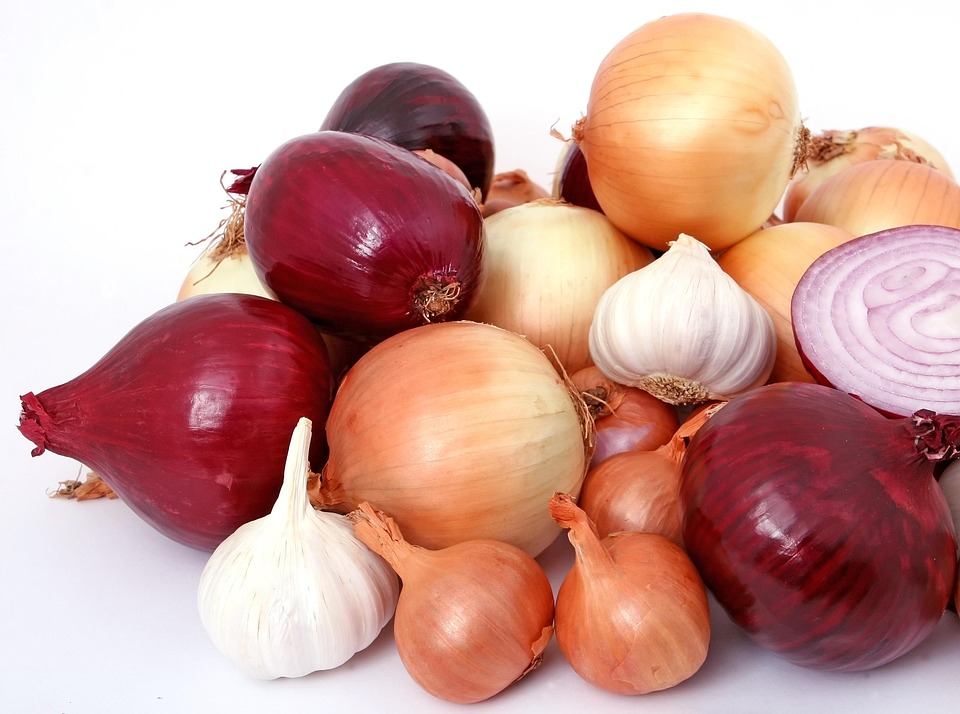
FODMAPs are a group of short-chain carbohydrates and sugar alcohols found in a wide variety of healthy foods, including onions, garlic, apples, wheat, and beans. Because these carbohydrates are poorly absorbed in the small intestine, they can ferment in the gut, leading to gas and bloating.
4. Food Additives and Preservatives
Sulfites, artificial sweeteners (like sorbitol and xylitol), and flavor enhancers like MSG can sometimes trigger headaches or digestive discomfort in sensitive individuals.
How to Identify Possible Food Triggers Safely
If you suspect that a certain food is not agreeing with your body, you might be tempted to cut out half of your diet. However, overly restrictive diets can lead to nutrient deficiencies and an unhealthy relationship with food.
Here are safer, evidence-based ways to identify triggers:
Keep a Detailed Food and Symptom Journal
For two weeks, write down everything you eat and drink, along with the time of day. Crucially, note any physical symptoms you feel and when they occur. A journal often reveals patterns that memory misses—perhaps you only feel bloated after lunches that include wheat, or headaches on days you drink heavily sweetened beverages.
Try a Short-Term Elimination Approach (With Guidance)
Under the supervision of a registered dietitian, you may temporarily remove a suspected trigger food for a couple of weeks to see if your symptoms improve.
The Reintroduction Phase
Elimination is only half the process. After a brief avoidance period, you systematically reintroduce the food in small, increasing amounts while monitoring your body’s response. This step is vital to avoid unnecessary, long-term dietary restriction.
Practical Lifestyle and Dietary Tips for Digestive Wellness
Supporting your gut goes beyond avoiding specific triggers. Cultivating healthy everyday eating habits can strengthen your digestive resilience.
- Eat Mindfully and Chew Thoroughly: Digestion begins in the mouth. Eating quickly and swallowing air can contribute to bloating. Slow down, put your fork down between bites, and chew your food well.
- Stay Hydrated: Water is essential for smooth digestive tract function and helps fiber move efficiently through your system.
- Prioritize Balance Over Restriction: Focus on adding a diverse range of whole foods, colorful vegetables, lean proteins, and healthy fats to your meals rather than focusing solely on what to take away.
- Manage Stress: The gut and the brain communicate constantly via the gut-brain axis. High stress levels can significantly alter motility and digestive secretions. Incorporate stress-reduction techniques like deep breathing, yoga, or walking into your daily routine.
Conclusion
Listening to your body is one of the most empowering acts of self-care. While navigating food sensitivities can feel complex, approaching the process with patience, curiosity, and professional support makes all the difference.
Remember that no single diet is right for everyone, and digestive wellness is a journey rather than a destination. If your symptoms persist or interfere with your daily life, reach out to a healthcare professional to create a personalized plan tailored to your unique body.
Frequently Asked Questions (FAQs)
1. What is the difference between a food allergy and a food sensitivity?
A food allergy involves an immune system response that can cause severe, immediate symptoms like hives or trouble breathing. A food sensitivity is a non-allergic reaction, often involving the digestive system, that typically causes milder symptoms (like bloating or fatigue) that may appear hours after eating.
2. Can food sensitivities go away over time?
Yes, some food sensitivities and intolerances are temporary. They can be influenced by factors such as gut inflammation, stress, antibiotic use, or overall digestive health. Addressing underlying gut health can sometimes improve tolerance.
3. Should I cut out gluten and dairy just in case?
It is generally not recommended to eliminate major food groups without a clear reason, as unnecessary restrictions can lead to nutrient deficiencies. If you suspect an issue, consult a dietitian to explore structured elimination and reintroduction rather than guessing.
4. Are at-home food sensitivity blood tests reliable?
Many commercially available IgG blood tests for food sensitivities lack strong scientific validation and often simply reflect foods you eat frequently. Qualified healthcare providers typically recommend a food and symptom journal combined with an elimination-reintroduction diet instead.
5. How can stress affect my digestion?
Stress activates the sympathetic nervous system (the “fight or flight” response), which temporarily diverts blood flow away from the gastrointestinal tract. This can slow digestion, alter gut motility, and contribute to symptoms like bloating, cramping, and irregular bowel habits.
6. When should I see a doctor about digestive discomfort?
You should consult a healthcare professional if your symptoms are severe, persistent, or accompanied by “red flag” signs such as unexplained weight loss, persistent fever, blood in your stool, or severe nocturnal pain.