
Catchy & Clickable (Best for Lifestyle & General Health Blogs)

protein rich foods

Meta Description: Discover the foundations of evidence-based nutrition with The Health Care. Learn how to choose wholesome foods, master meal planning, and build balanced eating habits for life. An engaging approach to nutrition doesn't have to be complicated, restrictive, or tied to the latest fleeting diet trend. At its core, the science of eating well is about nourishing your body with the right mix of macro- and micronutrients to support daily energy, long-term wellness, and optimal physiological function. Whether you are looking to refine your daily meals or establish a more mindful relationship with food, understanding the principles of balanced nutrition is the most effective way to reach your wellness goals. In this comprehensive guide, we explore the essentials of healthy food choices, practical meal planning strategies, and evidence-based habits that make healthy eating sustainable. What is Balanced Nutrition? Balanced nutrition refers to consuming the appropriate proportions of various food groups and nutrients to support bodily functions, growth, and overall health. Rather than eliminating entire food groups or demonizing specific ingredients, a balanced dietary pattern embraces variety, moderation, and adequacy. The Role of Macronutrients Macronutrients are the nutrients your body needs in large amounts to supply energy and maintain structure: Carbohydrates: The body’s primary and most efficient source of fuel. Found in whole grains, fruits, vegetables, and legumes. Proteins: Essential for building and repairing tissues, supporting immune function, and synthesizing enzymes and hormones. Found in poultry, fish, beans, tofu, dairy, and lean meats. Fats: Crucial for hormone production, nutrient absorption …


Meta Description: Discover the foundations of evidence-based nutrition with The Health Care. Learn how to choose wholesome foods, master meal planning, and build balanced eating habits for life.


An engaging approach to nutrition doesn’t have to be complicated, restrictive, or tied to the latest fleeting diet trend. At its core, the science of eating well is about nourishing your body with the right mix of macro- and micronutrients to support daily energy, long-term wellness, and optimal physiological function.

Whether you are looking to refine your daily meals or establish a more mindful relationship with food, understanding the principles of balanced nutrition is the most effective way to reach your wellness goals. In this comprehensive guide, we explore the essentials of healthy food choices, practical meal planning strategies, and evidence-based habits that make healthy eating sustainable.


What is Balanced Nutrition?

Balanced nutrition refers to consuming the appropriate proportions of various food groups and nutrients to support bodily functions, growth, and overall health. Rather than eliminating entire food groups or demonizing specific ingredients, a balanced dietary pattern embraces variety, moderation, and adequacy.

The Role of Macronutrients

Macronutrients are the nutrients your body needs in large amounts to supply energy and maintain structure:

  • Carbohydrates: The body’s primary and most efficient source of fuel. Found in whole grains, fruits, vegetables, and legumes.
  • Proteins: Essential for building and repairing tissues, supporting immune function, and synthesizing enzymes and hormones. Found in poultry, fish, beans, tofu, dairy, and lean meats.
  • Fats: Crucial for hormone production, nutrient absorption (specifically fat-soluble vitamins A, D, E, and K), and cellular health. Found in olive oil, avocados, nuts, seeds, and fatty fish.

Micronutrients: Vitamins and Minerals

While needed in smaller quantities, micronutrients are vital catalysts for metabolic processes. Eating a colorful array of plant and animal foods ensures your body receives adequate amounts of iron, calcium, potassium, vitamin C, and B-complex vitamins, among others.


Healthy Food Choices: Quality Matters

Nutrition is not just about counting calories; it is fundamentally about nutrient density—the amount of vitamins, minerals, and wholesome compounds a food provides relative to its calorie content.

Focus on Whole and Minimally Processed Foods

Prioritizing whole foods forms the cornerstone of a healthy diet. Examples include:

  • Fresh Fruits and Vegetables: Berries, leafy greens, cruciferous veggies (like broccoli and cauliflower), and citrus fruits.
  • Whole Grains: Quinoa, brown rice, oats, barley, and whole-wheat products.
  • Lean Proteins: Salmon, chicken breast, lentils, chickpeas, and eggs.
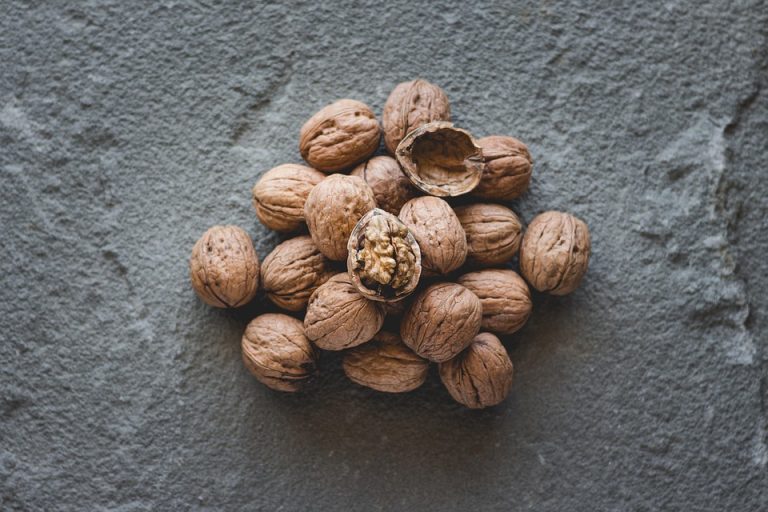
  • Healthy Fats: Extra virgin olive oil, walnuts, chia seeds, and avocado.

Navigating Nutrition Labels

When purchasing packaged foods, becoming a savvy label reader helps you make informed choices. Look for items with short ingredient lists, minimal added sugars, and adequate fiber content.


Practical Meal Planning for Everyday Life

One of the greatest hurdles to maintaining healthy eating habits is the daily question of “What’s for dinner?” Meal planning takes the guesswork out of eating, reduces food waste, and prevents impulsive food choices driven by excessive hunger.

Step-by-Step Meal Planning Tips

  1. Assess Your Schedule: Look at your upcoming week. Identify nights when you have little time to cook and reserve those for quick-assembly meals or leftovers.
  2. Batch Cook Staples: Prepare versatile base ingredients in advance, such as roasting a tray of mixed vegetables, boiling a batch of quinoa, or grilling chicken breasts.
  3. Build a Balanced Plate: Use the plate method as a visual guide for lunch and dinner:

    • ½ plate: Non-starchy vegetables and salad.
    • ¼ plate: Quality protein sources.
    • ¼ plate: Complex carbohydrates or whole grains.
    • Healthy Fats: Incorporated in cooking oils, dressings, or as toppings (like pumpkin seeds or avocado slices).


Healthy Eating Habits Beyond the Plate

Nutrition is as much about how we eat as it is about what we eat. Cultivating positive behavioral habits supports better digestion, satisfaction, and long-term adherence.

Practice Mindful Eating

In our fast-paced world, eating in front of a screen or on the go is common. Mindful eating involves paying full attention to the experience of eating—noticing textures, flavors, and fullness cues. Eating slowly allows your brain time to register satiety, preventing accidental overeating.

Prioritize Hydration

Water is involved in nearly every metabolic process in the human body. Dehydration can often mimic feelings of hunger or fatigue. Keep a reusable water bottle nearby and sip consistently throughout the day. Herbal teas and water-infused with fresh fruit or cucumber are also excellent options.


Individual Variability in Nutrition

It is important to recognize that nutritional needs are not one-size-fits-all. Factors such as age, biological sex, activity level, genetics, and metabolic health influence individual requirements. What works well for one person may not be ideal for another.

Important Health Note: Readers with pre-existing medical conditions, food allergies, specific cultural preferences, or those who are pregnant or breastfeeding should consult a qualified healthcare professional, registered dietitian, or physician before making significant changes to their diet.


Conclusion

Embracing balanced nutrition is a journey of self-care rather than a rigid set of rules. By focusing on nutrient-dense foods, practicing thoughtful meal planning, and listening to your body’s natural hunger and fullness cues, you can build a sustainable foundation for lifelong health. Start with small, manageable changes today, and let consistency pave the way to lasting wellness.


Frequently Asked Questions

1. What is the most important rule of balanced nutrition?

The most important principle is variety and moderation. No single food provides all the essential nutrients your body needs, so eating a wide range of whole foods from all food groups ensures nutritional adequacy.

2. How can I start meal planning if I am a beginner?

Start small. Instead of planning 21 meals a week, try planning just three dinners for your upcoming week. Make a shopping list based on those recipes to stay organized and reduce stress.

3. Are carbohydrates bad for weight management?

No. Carbohydrates are the body’s preferred energy source. The key is choosing complex, fiber-rich carbohydrates—such as oats, quinoa, beans, and vegetables—over heavily processed, refined grains and sugary foods.

4. How much water should I drink daily?

Fluid needs vary based on climate, activity level, and body size. A general guideline is to drink when you are thirsty and monitor your urine color, aiming for a pale, straw-like yellow.

5. Do I need to take vitamin supplements?

For most people, a balanced diet rich in whole foods provides all necessary vitamins and minerals. However, certain individuals (such as those with restricted diets, diagnosed deficiencies, or pregnant individuals) may benefit from supplementation under professional guidance.

6. How do I handle social eating while trying to eat healthily?

Flexibility is key to a healthy relationship with food. Enjoy social gatherings without guilt by practicing moderation, focusing on the company and conversation, and returning to your regular routine with your next meal.

7. When should I consult a registered dietitian?

If you have specific health conditions (such as diabetes, gastrointestinal disorders, or cardiovascular disease), severe food allergies, or if you feel overwhelmed by conflicting nutrition information, consulting a registered dietitian nutritionist can provide tailored, evidence-based guidance.


Related Posts

preventive health
October 21, 2026
Stop Waiting to Get Sick: The Power of Proactive Wellness

Transitioning toward a plant-based lifestyle has become one of the most popular health movements of the decade—and for good reason. Whether you are looking to boost your daily energy levels, support long-term heart health, or simply eat more vibrant, whole foods, incorporating more plants into your daily routine is a game-changer. However, walking down the grocery aisle can quickly feel overwhelming. Between navigating unfamiliar ingredients and worrying about getting enough protein, many beginners throw in the towel before they even start. If you have been curious about plant-based eating but didn't know where to begin, this practical lifestyle guide will cut through the noise. Here is how to embrace a plant-focused lifestyle sustainably, deliciously, and without the stress. What Exactly Is a Plant-Based Diet? Before stocking your pantry, it helps to clarify what "plant-based" actually means. Unlike strict veganism—which eliminates all animal products from both the diet and lifestyle—a plant-based approach is inherently flexible. At its core, a plant-based diet focuses predominantly on foods derived from plants. This includes: Vegetables and fruits of all colors, shapes, and sizes Whole grains like quinoa, brown rice, oats, and farro Legumes such as lentils, chickpeas, and black beans Nuts and seeds packed with healthy fats and minerals Some people adopt a 100% vegan approach, while others practice "flexitarianism," enjoying plant-based meals 80% of the time while occasionally incorporating high-quality animal products. The beauty of this lifestyle is that you set the boundaries. 4 Major Benefits of Eating More Plants Why make the shift? …

whole foods
October 21, 2026
Beyond the Supplement Aisle: Getting All Your Nutrients from Real Food

Meta Description: Discover the nutritional benefits of chia seeds, creative ways to use them in daily meals, and practical tips for adding this versatile superfood to your diet. When it comes to upgrading your daily diet with minimal effort, few pantry staples match the sheer versatility of chia seeds. These microscopic black and white specks belong to the mint family (Salvia hispanica) and boast a rich history dating back to the Aztecs and Mayans, who relied on them for sustained energy. Today, modern nutrition science is catching up to ancient wisdom, confirming that these tiny powerhouses pack an impressive array of macronutrients, dietary fiber, and micronutrients into every single spoonful. Whether you are looking to elevate your morning routine, improve your digestive wellness, or simply experiment with new textures in the kitchen, integrating chia seeds into your meals is remarkably straightforward. Let’s explore what makes these seeds unique, how to work with them, and how they can support a balanced lifestyle. Decoding the Nutrient Profile of Chia Seeds Do not let their small size fool you; chia seeds are densely packed with essential nutrients that support overall physiological function. A standard two-tablespoon serving delivers a remarkable nutritional punch without adding unnecessary complexity to your daily eating pattern. Macronutrient Breakdown Dietary Fiber: A single serving provides roughly 10 grams of fiber, which covers a significant portion of your daily recommended intake. Most of this is soluble fiber, which gives chia seeds their unique ability to absorb liquid and form a gel-like …

common food sensitivities
October 21, 2026
Food Allergy vs. Food Intolerance: Why the Distinction Matters

For many adults, enjoying a creamy latte or a slice of artisanal cheese can occasionally lead to an unwelcome aftermath of rumbling abdominal sounds, bloating, or cramps. When dairy products consistently cause digestive distress, people often begin looking closer at how their bodies process milk sugar. Understanding the underlying mechanisms of lactose intolerance can help you make informed decisions about your daily menu without needing to banish dairy entirely from your plate. Unlike a severe food allergy, which triggers an immune system response, digestive discomfort related to dairy usually stems from an enzymatic limitation in the gut. By exploring how your digestive system handles dairy, learning to recognize your personal tolerance thresholds, and discovering the variety of modified foods available today, you can maintain both dietary enjoyment and digestive peace. The Enzymatic Mechanism: Why Milk Sugar Troubles Some Stomachs At the heart of dairy-related digestive challenges is a specific carbohydrate found in mammalian milk: lactose. To process this sugar efficiently, your small intestine produces a specialized enzyme called lactase. The primary job of lactase is to split lactose into two simpler, easily absorbable sugars: glucose and galactose. As people age, it is biologically common for the human body to decrease its natural production of lactase after infancy and childhood. When insufficient lactase is present in the small intestine, unabsorbed lactose continues its journey into the large intestine. Once this intact sugar reaches the colon, resident bacteria ferment it. This fermentation process produces gases like hydrogen, carbon dioxide, and methane, which …

genetics explained
October 21, 2026
Curiosity-Driven & Intriguing (Great for social media and click-throughs)

When you look in the mirror, you see the obvious results of your genetics: the color of your eyes, the shape of your nose, or whether your hair naturally curls or lies flat. But beneath the surface, your genetic code is constantly working behind the scenes, influencing everything from how your body metabolizes your morning coffee to how efficiently your cells repair themselves after a workout. For a long time, genetics felt like a mysterious, distant subject reserved for science laboratories and medical textbooks. Today, however, understanding genetic variation has become a vital part of everyday health literacy. Whether you are curious about direct-to-consumer DNA tests, reviewing your family health history with a physician, or simply wondering why certain foods affect you differently than your friends, grasping the basics of genetic variation empowers you to take a more active role in your wellness journey. This guide explores what genetic variation actually means, how it shapes our health, and why your DNA is only one chapter in your overall health story. What Is Genetic Variation? (And Why Everyone’s Genome Is Unique) To understand genetic variation, it helps to start with a familiar analogy: a massive cookbook. Every human being possesses a complete set of genetic instructions known as a genome. Think of this genome as a master cookbook filled with roughly 20,000 to 25,000 distinct recipes—these recipes are your genes. The language of this cookbook is written using just four chemical building blocks, represented by the letters A, T, C, and …

healthy living
October 21, 2026
Glow From Within: Daily Habits of Naturally Healthy People

How you close your day dictates how effectively your mind and body can repair themselves for tomorrow. While morning routines often steal the spotlight, your evening habits are the true anchor of your daily wellness. Without a deliberate wind-down strategy, residual stress, blue light exposure, and erratic cortisol levels can quietly sabotage your sleep architecture and next-day energy. At The Health Care, we believe that transforming your nights doesn’t require a rigid, multi-hour schedule. Instead, it’s about crafting a personalized evening blueprint that signals safety, relaxation, and restoration to your nervous system. Why Your Post-Work Transition Matters More Than You Think The modern lifestyle keeps our sympathetic nervous system—the mechanism responsible for "fight or flight"—engaged long after we leave the office or close our laptops. When you leap straight from answering late-night emails or scrolling through high-stimulation news feeds directly into your bed, your body remains in a state of heightened arousal. True recovery requires an intentional buffer zone. By gradually lowering sensory input and lowering your core body temperature, you invite your parasympathetic nervous system ("rest and digest") to take over. This shift is essential for optimizing deep sleep and rapid eye movement (REM) sleep, both of which are critical for cognitive clarity, immune resilience, and emotional balance. The Four-Phase Evening Architecture To build a sustainable nighttime rhythm, think of your evening not as a checklist of chores, but as a descending staircase of stimulation. Phase 1: The Digital Sunset (60–90 Minutes Before Bed) The easiest way to improve …

portion control
October 21, 2026
Rethink Your Plate: Easy Hacks to Downsize Your Portions Without Feeling Deprived

Meta Description: Discover how to select, store, and prepare sweet potatoes like a pro. Learn smart grocery tips and easy cooking methods for a balanced, vibrant diet. When wandering through the produce aisle, few root vegetables catch the eye quite like the vibrant, colorful sweet potato. With options ranging from deep orange to pale cream and even striking purple, these nutrient-dense tubers have earned a permanent spot in wholesome meal planning. Yet, many home cooks treat them like ordinary baking potatoes, missing out on the full spectrum of culinary possibilities they offer. Unlocking the true potential of sweet potatoes goes far beyond tossing them in the oven for a standard weeknight side dish. From navigating the market to finding the right storage spot in your pantry, mastering this versatile ingredient transforms everyday cooking into something vibrant, nourishing, and exceptionally flavorful. Navigating the Produce Section: How to Choose the Best Tubers Selecting quality sweet potatoes at the grocery store or farmers market sets the stage for success in the kitchen. Not all tubers are created equal, and knowing what to look for ensures you bring home the freshest, most flavorful options available. Inspecting for Firmness and Skin Quality The ideal sweet potato should feel exceptionally heavy for its size and completely firm from end to end. Avoid any specimens that yield to gentle pressure, as softness indicates the vegetable is past its prime and may have started to decay internally. Take a close look at the skin. Smooth, unblemished skin is …