

Transitioning toward a plant-based lifestyle has become one of the most popular health movements of the decade—and for good reason. Whether you are looking to boost your daily energy levels, support long-term heart health, or simply eat more vibrant, whole foods, incorporating more plants into your daily routine is a game-changer. However, walking down the grocery aisle can quickly feel overwhelming. Between navigating unfamiliar ingredients and worrying about getting enough protein, many beginners throw in the towel before they even start. If you have been curious about plant-based eating but didn't know where to begin, this practical lifestyle guide will cut through the noise. Here is how to embrace a plant-focused lifestyle sustainably, deliciously, and without the stress. What Exactly Is a Plant-Based Diet? Before stocking your pantry, it helps to clarify what "plant-based" actually means. Unlike strict veganism—which eliminates all animal products from both the diet and lifestyle—a plant-based approach is inherently flexible. At its core, a plant-based diet focuses predominantly on foods derived from plants. This includes: Vegetables and fruits of all colors, shapes, and sizes Whole grains like quinoa, brown rice, oats, and farro Legumes such as lentils, chickpeas, and black beans Nuts and seeds packed with healthy fats and minerals Some people adopt a 100% vegan approach, while others practice "flexitarianism," enjoying plant-based meals 80% of the time while occasionally incorporating high-quality animal products. The beauty of this lifestyle is that you set the boundaries. 4 Major Benefits of Eating More Plants Why make the shift? …
Transitioning toward a plant-based lifestyle has become one of the most popular health movements of the decade—and for good reason. Whether you are looking to boost your daily energy levels, support long-term heart health, or simply eat more vibrant, whole foods, incorporating more plants into your daily routine is a game-changer.
However, walking down the grocery aisle can quickly feel overwhelming. Between navigating unfamiliar ingredients and worrying about getting enough protein, many beginners throw in the towel before they even start.
If you have been curious about plant-based eating but didn’t know where to begin, this practical lifestyle guide will cut through the noise. Here is how to embrace a plant-focused lifestyle sustainably, deliciously, and without the stress.
What Exactly Is a Plant-Based Diet?
Before stocking your pantry, it helps to clarify what “plant-based” actually means. Unlike strict veganism—which eliminates all animal products from both the diet and lifestyle—a plant-based approach is inherently flexible.
At its core, a plant-based diet focuses predominantly on foods derived from plants. This includes:
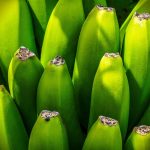
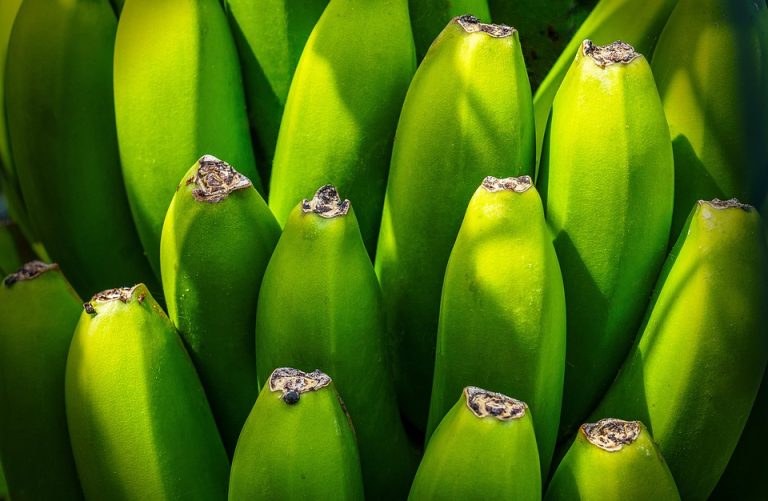
- Vegetables and fruits of all colors, shapes, and sizes
- Whole grains like quinoa, brown rice, oats, and farro
- Legumes such as lentils, chickpeas, and black beans
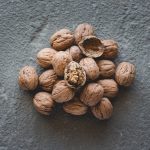
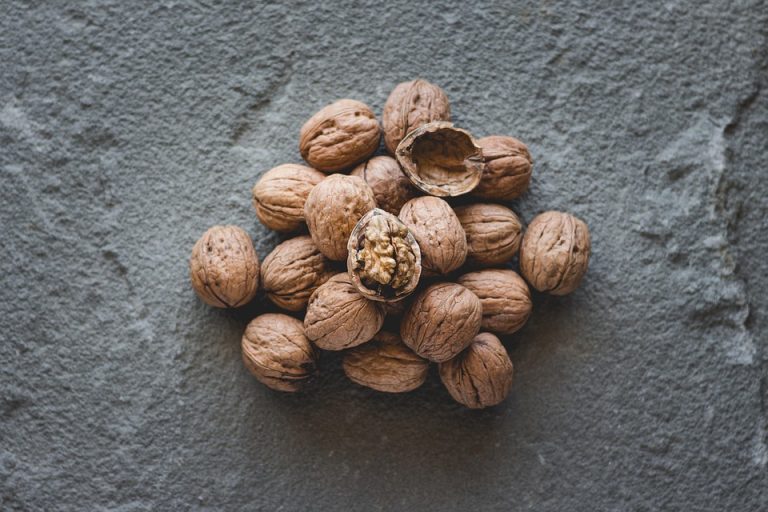
- Nuts and seeds packed with healthy fats and minerals
Some people adopt a 100% vegan approach, while others practice “flexitarianism,” enjoying plant-based meals 80% of the time while occasionally incorporating high-quality animal products. The beauty of this lifestyle is that you set the boundaries.
4 Major Benefits of Eating More Plants
Why make the shift? The science-backed perks of filling your plate with produce extend far beyond weight management. Here is what happens when you prioritize plants:
- Enhanced Digestion and Gut Health: Plant foods are exceptionally rich in dietary fiber. Fiber acts as fuel for your beneficial gut microbiome, promoting smoother digestion and supporting your immune system.
- Steady, All-Day Energy: Whole plant foods provide complex carbohydrates that digest slowly, preventing the dreaded afternoon sugar crash associated with processed snacks.
- Cardiovascular Support: Naturally low in saturated fats and high in antioxidants, plant-heavy diets are well-documented champions for heart health.
- Reduced Environmental Footprint: Eating lower on the food chain naturally conserves water and reduces greenhouse gas emissions, making it a win-win for you and the planet.
3 Common Beginner Pitfalls to Avoid
When enthusiasm is high, it is easy to make mistakes that lead to burnout. Keep these common missteps on your radar so you can sidestep them entirely:
- The “Salad Trap”: Eating plain, dressing-free iceberg lettuce will leave you hungry within an hour. Plant-based meals need to be hearty, combining complex carbs, healthy fats, and plant proteins to keep you full and satisfied.
- Relying on Processed “Fake Meats”: While plant-based burgers and nuggets are convenient, eating them for every meal can lead to an intake of excess sodium and refined oils. Prioritize whole foods first.
- Going Cold Turkey Overnight: Radical restrictions often backfire. Instead of throwing out your entire pantry today, aim to make just one meal a day plant-based for your first week.
Your Easy 4-Step Transition Plan
Instead of overhauling your entire kitchen at once, use this gradual, low-stress blueprint to make plant-based eating a permanent habit.
Step 1: Master the “Plate Method”
For your lunch and dinner, visualize your plate divided into three sections:
- 50% Non-Starchy Veggies: Broccoli, spinach, bell peppers, zucchini, or asparagus.
- 25% Complex Carbohydrates: Sweet potatoes, brown rice, quinoa, or whole-grain pasta.
- 25% Plant Proteins: Tofu, tempeh, lentils, edamame, or beans.
Step 2: Stock a Plant-Powered Pantry
Keep these shelf-stable staples on hand so you can whip up a nourishing meal in under 15 minutes:
- Canned beans and chickpeas (rinse well to reduce sodium)
- Vegetable broth or bouillon cubes
- Canned coconut milk for creamy curries and soups
- Nutritional yeast (for a cheesy, nutty flavor boost)
- Chia seeds, flaxseeds, and hemp hearts to sprinkle on yogurt or oatmeal
Step 3: Veganize Your Existing Favorites
You do not need to learn an entirely new cookbook to eat plant-based. Simply take the comforting meals you already love and swap out the main components:
- Make a lentil bolognese instead of ground beef pasta.
- Swap traditional taco meat for seasoned black beans and roasted sweet potatoes.
- Blend frozen bananas, plant milk, and berries for a thick, dessert-like smoothie bowl.
Step 4: Focus on Addition, Not Subtraction
Shift your psychological mindset away from what you are “giving up.” Instead, challenge yourself to see how many different plants you can eat in a week. Aiming for 30 unique plant species per week (including spices, herbs, nuts, and grains) is a fantastic way to maximize gut diversity.
Frequently Asked Questions
Will I get enough protein on a plant-based diet?
This is the number one concern for beginners, but it is rarely an issue in practice. Lentils, chickpeas, tofu, tempeh, hemp seeds, quinoa, and even broccoli contain protein. As long as you are consuming enough overall daily calories and eating a variety of whole foods, meeting your protein requirements is entirely achievable.
Do I need to take supplements?
While a well-rounded plant-based diet provides most essential nutrients, Vitamin B12 is primarily found in animal products and fortified foods. If you transition to a completely vegan diet, it is wise to consult a healthcare professional regarding a B12 supplement. Vitamin D and Omega-3 (EPA/DHA) are other nutrients worth monitoring.
Is plant-based eating expensive?
It can be, but it doesn’t have to be. Purchasing exotic superfoods and trendy meat alternatives will certainly drive up your grocery bill. However, buying budget-friendly staples in bulk—such as dried beans, lentils, oats, frozen vegetables, and seasonal fruit—makes plant-based eating one of the most economical ways to feed yourself or a family.
The Bottom Line
Embracing a plant-based lifestyle doesn’t require perfection. Every single meal featuring vibrant vegetables, wholesome grains, and hearty legumes is a step toward better health. Start small, listen to your body, and enjoy the colorful, delicious journey of nourishing yourself from the ground up.