

In today’s fast-paced world, the pursuit of wellness often feels like navigating a maze. From viral fitness trends and restrictive diets to miracle supplements promised by social media influencers, it is easy to feel overwhelmed. Many of us adopt an "all-or-nothing" mindset—starting a grueling exercise routine and cutting out entire food groups, only to burn out within a few weeks. True healthy living, however, is not about drastic, temporary changes. It is the art of building sustainable, everyday habits that nurture both your physical body and your mental well-being over the long term. Welcome to The Health Care guide on mastering the fundamentals of well-being. Whether you are looking to boost your daily energy, improve your mood, or simply establish a more balanced routine, this article will help you cut through the noise with practical, evidence-based strategies. What Does Healthy Living Really Mean? At its core, healthy living is a holistic approach to life. It goes beyond the absence of disease; it is about cultivating a state of complete physical, mental, and social well-being. Rather than focusing on a single number on the scale or a rigid daily schedule, a balanced lifestyle integrates several key pillars: Nutritious, whole-food nutrition Regular, enjoyable physical activity Restorative sleep hygiene Mental health and stress management Meaningful social connections When these elements work together, your body functions more efficiently, your immune system remains resilient, and your mind stays sharp. Let’s break down each pillar to see how you can incorporate them into your daily life …
In today’s fast-paced world, the pursuit of wellness often feels like navigating a maze. From viral fitness trends and restrictive diets to miracle supplements promised by social media influencers, it is easy to feel overwhelmed. Many of us adopt an “all-or-nothing” mindset—starting a grueling exercise routine and cutting out entire food groups, only to burn out within a few weeks.
True healthy living, however, is not about drastic, temporary changes. It is the art of building sustainable, everyday habits that nurture both your physical body and your mental well-being over the long term.
Welcome to The Health Care guide on mastering the fundamentals of well-being. Whether you are looking to boost your daily energy, improve your mood, or simply establish a more balanced routine, this article will help you cut through the noise with practical, evidence-based strategies.
What Does Healthy Living Really Mean?
At its core, healthy living is a holistic approach to life. It goes beyond the absence of disease; it is about cultivating a state of complete physical, mental, and social well-being. Rather than focusing on a single number on the scale or a rigid daily schedule, a balanced lifestyle integrates several key pillars:
- Nutritious, whole-food nutrition
- Regular, enjoyable physical activity
- Restorative sleep hygiene
- Mental health and stress management
- Meaningful social connections
When these elements work together, your body functions more efficiently, your immune system remains resilient, and your mind stays sharp. Let’s break down each pillar to see how you can incorporate them into your daily life without turning your world upside down.
Pillar 1: Fueling Your Body Mindfully
Nutrition is often the first thing people think of when exploring healthy living, yet it is also the most misunderstood. The goal of eating well is not deprivation; it is about providing your body with the macro- and micronutrients it needs to thrive.
Focus on Whole Foods
The foundation of a nutritious diet lies in whole, minimally processed foods. These foods retain their natural fiber, vitamins, and minerals, which support metabolic health and digestion.
- Colorful Fruits and Vegetables: Aim to fill half your plate with produce. Different colors represent different antioxidants and phytonutrients that protect your cells from damage.
- Quality Proteins: Incorporate lean meats, fish, eggs, beans, lentils, and tofu to support muscle repair and immune function.
- Complex Carbohydrates: Choose whole grains like quinoa, brown rice, oats, and whole-wheat bread for sustained energy rather than blood sugar spikes.
- Healthy Fats: Include sources like avocados, nuts, seeds, and extra virgin olive oil, which are essential for brain health and hormone production.
Hydration Matters
Water is vital for almost every bodily function, including temperature regulation, joint lubrication, and nutrient transport. While individual needs vary based on activity level and climate, carrying a reusable water bottle throughout the day is a simple way to stay consistently hydrated.
Pillar 2: Moving in Ways You Enjoy
Exercise is non-negotiable for healthy living, but it doesn’t have to mean spending hours on a treadmill if you hate running. The best workout is simply the one you will actually stick to.
The Power of Movement
Physical activity offers profound benefits, ranging from cardiovascular health and stronger bones to improved mood and better cognitive function. The key is to find a blend of activities that you genuinely enjoy:
- Aerobic Exercise: Brisk walking, swimming, cycling, or dancing gets your heart rate up and supports heart health.
- Strength Training: Lifting weights, using resistance bands, or doing bodyweight exercises (like push-ups and squats) helps maintain muscle mass and bone density as you age.
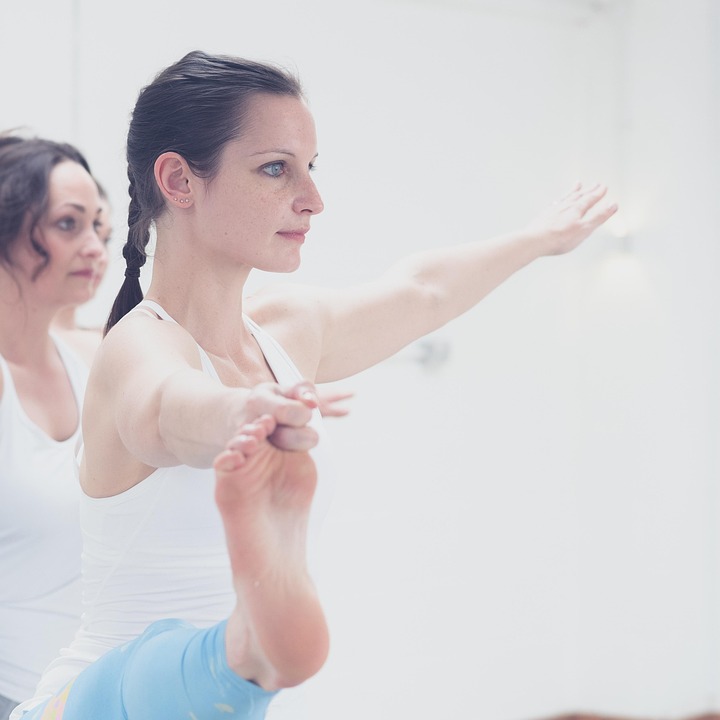
- Flexibility and Balance: Yoga and Pilates improve core stability, posture, and joint mobility.
Consistency Over Intensity
You do not need to push yourself to exhaustion every day. In fact, doing so can lead to injury and burnout. Aim for consistency: regular, moderate movement most days of the week yields far better long-term results than sporadic, intense workouts.
Pillar 3: The Underrated Value of Restorative Sleep
In our hustle culture, sleep is often the first thing we sacrifice. However, skimping on rest actively undermines every other effort you make toward healthy living.
During sleep, your brain consolidates memories, clears out cellular waste, and your body repairs muscle tissue while regulating vital hormones. Chronic sleep deprivation is linked to a weakened immune system, higher stress levels, and challenges with weight management.
Tips for Better Sleep Hygiene
To optimize your rest, try implementing a few simple nighttime habits:
- Maintain a Schedule: Go to bed and wake up at the same time every day, even on weekends, to support your internal circadian rhythm.
- Create a Digital Sunset: Turn off phones, tablets, and computers at least 30 to 60 minutes before bed. The blue light emitted by screens can interfere with melatonin production.
- Optimize Your Bedroom: Keep your sleeping environment cool, dark, and quiet.
- Wind Down: Establish a relaxing pre-sleep routine, such as reading a physical book, taking a warm bath, or practicing gentle stretching.
Pillar 4: Nurturing Mental Health and Stress Management
Physical health and mental health are deeply intertwined. High levels of chronic stress flood the body with cortisol, which can negatively impact digestion, immunity, and sleep. Practicing mindfulness and emotional self-care is a crucial component of healthy living.
Practical Ways to Decompress
You do not need to meditate for hours a day to experience the benefits of stress reduction. Small, intentional pauses can make a significant difference:
- Deep Breathing: Box breathing or diaphragmatic breathing can quickly signal your nervous system to calm down during a stressful moment.
- Time in Nature: Spending time outdoors—often called “shinrin-yoku” or forest bathing—has been shown to lower blood pressure and reduce anxiety.
- Journaling: Writing down your thoughts can help process emotions and clear your mind before bed.
- Setting Boundaries: Learn to say no to commitments that drain your energy, protecting your time for rest and recovery.
Building Sustainable Habits
The secret to long-term success with healthy living is the concept of micro-habits. Instead of trying to overhaul your entire lifestyle overnight, focus on making tiny, manageable adjustments.
If you currently drink zero water, start by drinking one glass every morning. If you want to exercise more, commit to a 10-minute daily walk after dinner. Once these small actions become automatic, you can gradually layer on new positive habits. Progress is built on consistency, not perfection.
Key Takeaways
- Embrace Balance: Healthy living is a holistic lifestyle, not a restrictive phase or a quick fix.
- Prioritize Whole Foods: Focus on colorful fruits, vegetables, lean proteins, complex carbohydrates, and healthy fats while staying well-hydrated.
- Move Regularly: Find physical activities you genuinely enjoy and prioritize consistency over high-intensity burnout.
- Protect Your Sleep: Good sleep hygiene is essential for physical recovery, mental clarity, and immune health.
- Manage Stress: Incorporate mindfulness, deep breathing, and boundaries to protect your mental well-being.
- Start Small: Build sustainable routines through gradual micro-habits rather than overwhelming lifestyle overhauls.
Frequently Asked Questions (FAQs)
1. What is the most important element of healthy living?
No single element stands alone; however, nutrition, movement, sleep, and mental health form an interconnected foundation. If one area is severely neglected, it often impacts the others. Balance is the ultimate key.
2. How much water should I drink every day?
Fluid needs vary greatly depending on body size, activity level, climate, and overall health. A good general rule is to drink when you are thirsty and monitor your urine color, aiming for a pale, straw-like yellow.
3. How can I start exercising if I am out of shape?
Begin slowly and choose low-impact activities like walking, gentle swimming, or beginner yoga. Start with short sessions (such as 10 to 15 minutes a day) and gradually increase the duration and intensity as your fitness improves.
4. What are some easy ways to reduce daily stress?
Simple techniques include taking a few minutes for deep breathing exercises, going for a short walk outside without your phone, writing in a journal, or listening to calming music.
5. Is it normal to struggle with consistency when building new habits?
Yes, absolutely. Building new habits takes time and neural adaptation. When you stumble, avoid the “all-or-nothing” trap; simply acknowledge the setback and resume your healthy routine at the next available opportunity.