


In today’s fast-paced world, the pursuit of wellness often feels like navigating a maze. From trending superfoods and high-intensity workout crazes to miracle supplements promising overnight transformations, it is easy to feel overwhelmed. Many of us adopt strict, unsustainable routines only to burn out within weeks. True healthy living, however, is not about drastic overhauls or restrictive rules. Instead, it is the art of building small, sustainable daily habits that nourish your mind, body, and spirit over a lifetime. Welcome to The Health Care guide on mastering the fundamentals of sustainable wellness. Let us cut through the noise and explore practical, evidence-based steps you can take today to cultivate a healthier, happier life. What Does Healthy Living Really Mean? When people hear the term healthy living, they often picture endless hours on a treadmill or eating plain salads. But wellness is multi-dimensional. It encompasses physical vitality, mental resilience, emotional balance, and social connection. Achieving balance means recognizing that your well-being is dynamic. Some days will focus on physical activity, while others might require mental rest and self-care. The goal is not perfection, but rather consistency and self-compassion. Pillar 1: Nourishing Your Body with Mindful Nutrition Food is information, fuel, and comfort. Adopting a balanced approach to eating is one of the cornerstones of healthy living. Rather than focusing on what you should cut out of your diet, try focusing on what you can add. Focus on Whole Foods Whole, minimally processed foods provide the vitamins, minerals, and fiber your body …
In today’s fast-paced world, the pursuit of wellness often feels like navigating a maze. From trending superfoods and high-intensity workout crazes to miracle supplements promising overnight transformations, it is easy to feel overwhelmed. Many of us adopt strict, unsustainable routines only to burn out within weeks.
True healthy living, however, is not about drastic overhauls or restrictive rules. Instead, it is the art of building small, sustainable daily habits that nourish your mind, body, and spirit over a lifetime.
Welcome to The Health Care guide on mastering the fundamentals of sustainable wellness. Let us cut through the noise and explore practical, evidence-based steps you can take today to cultivate a healthier, happier life.
What Does Healthy Living Really Mean?
When people hear the term healthy living, they often picture endless hours on a treadmill or eating plain salads. But wellness is multi-dimensional. It encompasses physical vitality, mental resilience, emotional balance, and social connection.
Achieving balance means recognizing that your well-being is dynamic. Some days will focus on physical activity, while others might require mental rest and self-care. The goal is not perfection, but rather consistency and self-compassion.
Pillar 1: Nourishing Your Body with Mindful Nutrition
Food is information, fuel, and comfort. Adopting a balanced approach to eating is one of the cornerstones of healthy living. Rather than focusing on what you should cut out of your diet, try focusing on what you can add.
Focus on Whole Foods
Whole, minimally processed foods provide the vitamins, minerals, and fiber your body needs to thrive. Fill your plate with a colorful variety of fruits, vegetables, whole grains, lean proteins, and healthy fats.
- Vegetables and Fruits: Aim for a rainbow of colors to ensure a diverse intake of antioxidants.
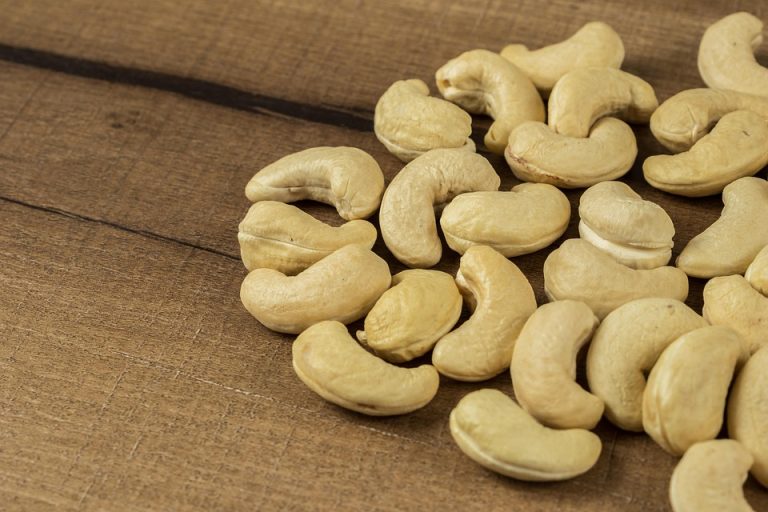
- Quality Proteins: Incorporate fish, poultry, beans, lentils, and nuts.
- Healthy Fats: Choose olive oil, avocados, and fatty fish like salmon to support brain and heart health.
The Power of Hydration
Water is essential for nearly every physiological function, from digestion to cognitive performance. Dehydration can lead to fatigue, headaches, and brain fog. Keep a reusable water bottle with you throughout the day, and flavor your water with lemon, cucumber, or mint if you find plain water uninspiring.
Pillar 2: Movement That Brings Joy
Exercise is often prescribed as a medicine, yet many view it as a chore. To make physical activity a lifelong habit, you must shift your perspective from punishment to celebration of what your body can do.
Find Your Movement
You do not need to spend hours in a traditional gym to practice healthy living. The best workout is the one you actually enjoy and will consistently perform.
- Brisk Walking: A simple daily walk improves cardiovascular health and clears the mind.
- Strength Training: Bodyweight exercises, resistance bands, or lifting weights help maintain muscle mass and bone density as we age.
- Yoga and Pilates: These practices build core strength, flexibility, and stress relief.
- Recreational Activities: Dancing, swimming, cycling, or gardening all count as valuable physical activity.
Consistency always trumps intensity. Aim for moderate physical activity most days of the week, listening closely to your body’s signals for rest and recovery.
Pillar 3: The Underrated Value of Rest and Sleep
In modern culture, busyness is often worn as a badge of honor, and sleep is frequently sacrificed to gain extra hours in the day. However, sleep is not a passive state; it is an active, vital period during which your body repairs tissue, consolidates memories, and regulates hormones.
Tips for Better Sleep Hygiene
Prioritizing restorative sleep is a non-negotiable pillar of healthy living. Consider implementing these simple habits:
- Maintain a Schedule: Go to bed and wake up at the same time every day, even on weekends.
- Create a Wind-Down Routine: Turn off screens at least 30 minutes before bed. Read a book, take a warm bath, or practice light stretching instead.
- Optimize Your Sleep Environment: Keep your bedroom cool, dark, and quiet.
Pillar 4: Cultivating Mental Resilience and Emotional Well-Being
Physical health and mental health are deeply intertwined. Stress, anxiety, and emotional distress can manifest physically, impacting your immune system, digestion, and sleep quality.
Managing Everyday Stress
While you cannot eliminate stress completely, you can change how your body and mind respond to it.
- Mindfulness and Meditation: Spending just five to ten minutes a day focusing on your breath can lower cortisol levels and center your thoughts.
- Social Connection: Strong relationships and community ties are consistently linked to longevity and happiness. Make time for meaningful conversations with friends and family.
- Setting Boundaries: Learn to say no to commitments that drain your energy, allowing space for activities that recharge you.
Key Takeaways
- Progress Over Perfection: Sustainable healthy living is built on small, consistent daily choices, not restrictive overnight transformations.
- Focus on Whole Foods: Nourish your body with a colorful variety of nutrient-dense foods and stay adequately hydrated.
- Move Because You Enjoy It: Find physical activities that feel like a celebration of your body rather than a chore.
- Prioritize Rest: Quality sleep and stress management are just as important as diet and exercise.
- Listen to Your Body: Honor your unique needs, adjusting your routines as your lifestyle and seasons of life change.
Frequently Asked Questions (FAQs)
What is the most important aspect of healthy living?
There is no single “most important” aspect, as wellness relies on a delicate balance of nutrition, movement, sleep, and mental health. However, consistency in daily habits is universally recognized as the key to long-term success.
How much water should I drink every day?
Fluid needs vary depending on your body size, activity level, climate, and overall health. A good general guideline is to drink water consistently throughout the day and let your thirst be your primary guide, alongside monitoring the color of your urine (aiming for a pale yellow).
Do I need to follow a specific diet to be healthy?
No specific diet is universally best for everyone. The most effective approach is a flexible, balanced eating pattern rich in whole foods, vegetables, fruits, and lean proteins that fits your personal preferences and lifestyle.
How can I stay motivated to exercise regularly?
Motivation naturally fluctuates. Instead of relying solely on motivation, focus on building identity-based habits and choosing activities you genuinely enjoy. Scheduling your workouts ahead of time and exercising with a friend can also help maintain accountability.
What should I do if I feel overwhelmed by wellness advice?
Take a step back and simplify. Choose just one small, manageable habit to focus on—such as drinking an extra glass of water or taking a 15-minute daily walk—before introducing new changes.