

The Power of Saying No: Why Self-Care Isn’t Selfish

wellness

In today’s fast-paced world, the pursuit of health often feels like a full-time job. We are constantly bombarded with conflicting advice about the newest superfoods, extreme fitness regimens, and complicated biohacking routines. It is easy to feel overwhelmed, leading many of us to abandon our health goals before they even begin. However, true wellness does not require an overhaul of your entire life overnight. In fact, sustainable health is built on small, consistent choices made over time. Welcome to The Health Care guide on modern wellness. In this article, we will break down what it truly means to live well, explore the foundational pillars of a healthy lifestyle, and provide you with practical, evidence-based strategies to help you thrive physically, mentally, and emotionally. What Does Wellness Really Mean? For a long time, society equated health simply with the absence of disease. If you weren’t sick in bed, you were considered "healthy." Today, we understand that health is a dynamic, multi-dimensional state. Wellness is the active pursuit of activities, choices, and lifestyles that lead to a state of holistic health. It recognizes that every aspect of your life is interconnected. When one area suffers—such as your sleep or stress levels—the rest of your well-being feels the impact. The Shift from Quick Fixes to Lifelong Habits The wellness industry often profits by selling quick fixes—detox teas, restrictive cleanses, and miracle supplements. True wellness, on the other hand, is not a destination you arrive at; it is a continuous practice. It is about …


In today’s fast-paced world, the pursuit of health often feels like a full-time job. We are constantly bombarded with conflicting advice about the newest superfoods, extreme fitness regimens, and complicated biohacking routines. It is easy to feel overwhelmed, leading many of us to abandon our health goals before they even begin.

However, true wellness does not require an overhaul of your entire life overnight. In fact, sustainable health is built on small, consistent choices made over time.

Welcome to The Health Care guide on modern wellness. In this article, we will break down what it truly means to live well, explore the foundational pillars of a healthy lifestyle, and provide you with practical, evidence-based strategies to help you thrive physically, mentally, and emotionally.


What Does Wellness Really Mean?

For a long time, society equated health simply with the absence of disease. If you weren’t sick in bed, you were considered “healthy.” Today, we understand that health is a dynamic, multi-dimensional state.

Wellness is the active pursuit of activities, choices, and lifestyles that lead to a state of holistic health. It recognizes that every aspect of your life is interconnected. When one area suffers—such as your sleep or stress levels—the rest of your well-being feels the impact.

The Shift from Quick Fixes to Lifelong Habits

The wellness industry often profits by selling quick fixes—detox teas, restrictive cleanses, and miracle supplements. True wellness, on the other hand, is not a destination you arrive at; it is a continuous practice. It is about building a toolkit of healthy habits that support your body and mind throughout every stage of life.


The Four Pillars of Foundational Wellness

To build a balanced lifestyle, it helps to focus on four core pillars. By nurturing each of these areas, you create a solid foundation for long-term vitality.

+——————————————————-+
| PILLARS OF WELLNESS |
| |
| 1. Nourishing Nutrition |
| 2. Movement and Physical Activity |
| 3. Restorative Sleep |
| 4. Mental and Emotional Resilience |
+——————————————————-+

1. Nourishing Nutrition

Food is information for your body. Rather than viewing nutrition through the lens of restriction or calorie counting, shift your mindset toward nourishment.

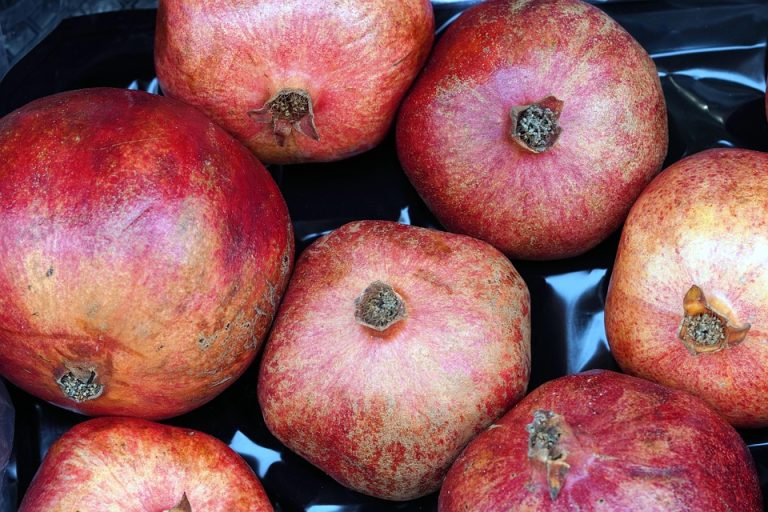
  • Focus on whole foods: Prioritize vibrant vegetables, fresh fruits, whole grains, lean proteins, and healthy fats.
  • Hydration matters: Water supports every cellular function in the body. Keep a reusable water bottle with you throughout the day.
  • Mindful eating: Pay attention to your hunger and fullness cues. Eating without distractions can improve digestion and your relationship with food.

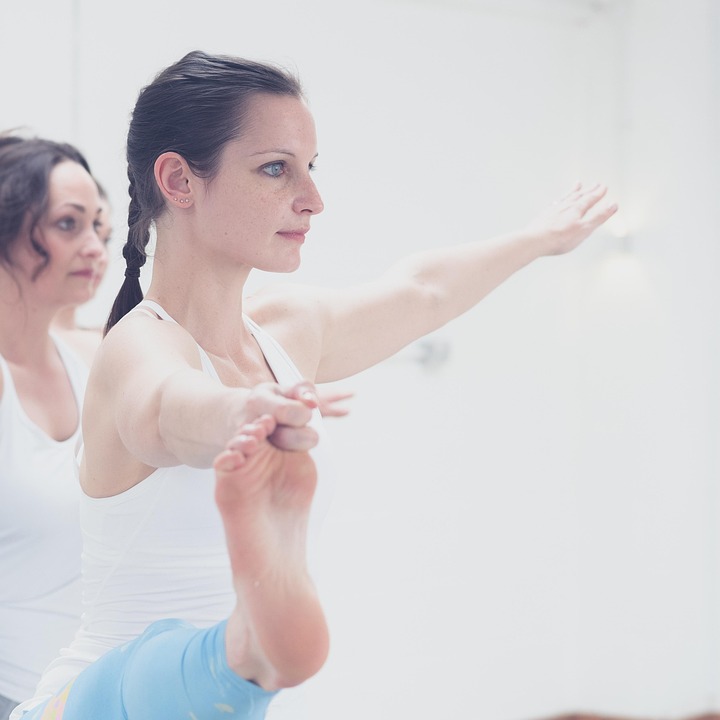
2. Movement and Physical Activity

Human bodies were built to move. Unfortunately, modern desk jobs and sedentary lifestyles have made physical inactivity a major health concern.

You do not need to spend hours in the gym to experience the benefits of movement. The key is finding activities you genuinely enjoy.

  • Incorporate NEAT: Non-Exercise Activity Thermogenesis includes everyday movements like walking, gardening, taking the stairs, and cleaning.
  • Strength training: Maintaining muscle mass becomes increasingly important as we age. Aim for two to three sessions of resistance training per week.
  • Cardiovascular health: Brisk walking, cycling, swimming, or dancing keeps your heart and lungs strong.

3. Restorative Sleep

Sleep is often the first thing we sacrifice when life gets busy, yet it is arguably the most critical component of daily wellness. During sleep, your brain clears out toxins, your tissues repair, and your memories consolidate.

  • Maintain a consistent schedule: Going to bed and waking up at the same time every day helps regulate your internal circadian rhythm.
  • Optimize your sleep environment: Keep your bedroom cool, dark, and quiet.
  • Limit screens before bed: Blue light emitted from phones and laptops can interfere with the production of melatonin, the sleep hormone.

4. Mental and Emotional Resilience

Mental health is an inseparable part of overall physical well-being. Chronic stress floods the body with cortisol, which can negatively impact immune function, digestion, and cardiovascular health.

  • Stress management techniques: Practices such as deep breathing exercises, mindfulness meditation, and journaling can help calm the nervous system.
  • Social connection: Strong community ties and meaningful relationships are consistently linked to greater longevity and happiness.
  • Setting boundaries: Learning to say no protects your time and energy, reducing burnout.


How to Build Sustainable Wellness Habits

Knowing what to do and actually doing it are two different things. Behavior change is challenging because our brains prefer familiar routines. If you want to integrate lasting wellness habits into your daily routine, consider these evidence-based strategies:

  • Start ridiculously small: If you want to start meditating, don’t aim for 30 minutes a day. Start with two minutes. Lowering the barrier to entry makes consistency much easier.
  • Stack your habits: Attach a new habit to an existing one. For example, “After I pour my morning coffee (existing habit), I will do one minute of deep breathing (new habit).”
  • Focus on systems, not goals: Instead of focusing solely on a distant outcome, focus on the daily systems and routines that get you there.
  • Be patient with yourself: Progress is rarely linear. Expect setbacks, treat yourself with self-compassion, and simply return to your routine the next day.


Key Takeaways

  • Wellness is holistic: It encompasses physical, mental, and emotional health, recognizing that all systems of the body are connected.
  • Quality over quick fixes: Sustainable health is built through small, consistent daily habits rather than restrictive diets or extreme routines.
  • Focus on the core pillars: Prioritize nourishing whole foods, enjoyable movement, restorative sleep, and effective stress management.
  • Design for success: Start with tiny habits and use habit-stacking to make new routines stick naturally.


Frequently Asked Questions (FAQs)

What is the difference between health and wellness?

Health generally refers to the state of your body and mind, often focusing on the presence or absence of illness. Wellness is an active, conscious process of making choices that lead toward a more balanced, fulfilling, and healthy lifestyle.

How can I start a wellness journey if I feel overwhelmed?

Begin by picking just one small habit to change, such as drinking an extra glass of water each day or taking a ten-minute walk. Once that habit feels automatic, you can gradually introduce another small change.

Why is sleep so important for daily wellness?

Sleep allows the body to repair tissues, consolidate memories, and regulate hormones. Consistent, high-quality rest supports immune function, mood regulation, and cognitive performance.

Do I need expensive supplements to maintain a healthy lifestyle?

No. For most people, a balanced diet rich in whole foods provides all the necessary nutrients. Supplements can sometimes fill specific dietary gaps, but they should complement—not replace—a healthy lifestyle.

How does stress impact physical health?

Chronic stress keeps the body in a prolonged “fight or flight” state, releasing elevated levels of cortisol and adrenaline. Over time, this can negatively affect immune health, digestion, sleep quality, and heart health.


Related Posts

healthy living
August 29, 2026
Mental Wealth: Why Self-Care Isn’t Selfish

In today’s fast-paced world, the pursuit of wellness often feels like navigating a maze. From trending superfoods and high-intensity workout crazes to miracle supplements promising overnight transformations, it is easy to feel overwhelmed. Many of us adopt strict, unsustainable routines only to burn out within weeks. True healthy living, however, is not about drastic overhauls or restrictive rules. Instead, it is the art of building small, sustainable daily habits that nourish your mind, body, and spirit over a lifetime. Welcome to The Health Care guide on mastering the fundamentals of sustainable wellness. Let us cut through the noise and explore practical, evidence-based steps you can take today to cultivate a healthier, happier life. What Does Healthy Living Really Mean? When people hear the term healthy living, they often picture endless hours on a treadmill or eating plain salads. But wellness is multi-dimensional. It encompasses physical vitality, mental resilience, emotional balance, and social connection. Achieving balance means recognizing that your well-being is dynamic. Some days will focus on physical activity, while others might require mental rest and self-care. The goal is not perfection, but rather consistency and self-compassion. Pillar 1: Nourishing Your Body with Mindful Nutrition Food is information, fuel, and comfort. Adopting a balanced approach to eating is one of the cornerstones of healthy living. Rather than focusing on what you should cut out of your diet, try focusing on what you can add. Focus on Whole Foods Whole, minimally processed foods provide the vitamins, minerals, and fiber your body …

healthy habits
August 29, 2026
The Anti-Burnout Morning Routine: 4 Steps to a Calmer Day

In today’s fast-paced world, achieving optimal well-being often feels like chasing a moving target. Everywhere we look, we are bombarded by conflicting advice on the latest superfoods, extreme workout routines, and strict wellness trends. For readers of The Health Care, the good news is that sustainable wellness does not require a complete lifestyle overhaul. True vitality is built on the foundation of small, consistent actions practiced every single day. Implementing healthy habits into your daily routine is the most effective way to support your physical, mental, and emotional health over the long term. Rather than aiming for perfection, focusing on progress allows you to build a resilient body and mind. Let’s explore evidence-based strategies to help you cultivate lasting well-being. Understanding the Power of Daily Healthy Habits When we think about health, we often focus on major milestones—running a marathon, losing a specific amount of weight, or drastically changing our diet. However, research in behavioral science shows that our long-term health is determined by our micro-choices. Healthy habits are automatic behaviors that we perform with little conscious effort. When you automate positive behaviors, you conserve mental energy while continuously supporting your body's natural functions. Establishing these routines helps regulate stress, maintain stable energy levels, and support immune function. Nourishing Your Body with Intentional Nutrition Nutrition is one of the most visible pillars of wellness. However, eating well does not mean restriction or following rigid dietary dogma. Instead, it is about providing your body with the diverse nutrients it needs to …

wellness
August 29, 2026
Beyond Meditation: Surprising Ways to Find Flow in Everyday Life

In a world filled with quick fixes, 10-day detoxes, and overnight success stories, the concept of wellness often gets buried under a mountain of unrealistic expectations. Turn on social media, and you are bombarded with images of green smoothies at sunrise, grueling 5 AM workouts, and meditation spaces that look like luxury spas. For many of us, this creates an unspoken pressure: if we aren't doing it all, we aren't doing it right. At The Health Care, we believe it is time to rewrite that narrative. True wellness is not a destination, a dress size, or a strict set of rules that leaves you feeling exhausted. Instead, it is a dynamic, lifelong journey of making choices that support your physical, mental, and emotional vitality. When you shift your perspective from chasing perfection to building sustainable habits, daily life becomes lighter, more energized, and deeply fulfilling. Let’s explore what wellness really means and how you can build a personalized, evidence-based routine that works for your unique lifestyle. What is Wellness? (Beyond Diet and Exercise) For generations, society defined health simply as the absence of disease. If your blood work came back clear and you weren't actively sick, you were considered "healthy." Today, modern health science takes a much more expansive view through the lens of wellness. Wellness is an active process of becoming aware of and making choices toward a healthy and fulfilling life. It is multidimensional, recognizing that humans are complex systems. If one area of your life is suffering, …

healthy living
August 28, 2026
Mental Health & Mindfulness (Stress, Sleep, and Balance)

In today’s fast-paced world, the quest for healthy living often feels like navigating a maze of conflicting advice. One day, a specific diet is trending; the next, a new high-intensity workout promises overnight transformation. Amid this noise, it is easy to feel overwhelmed and abandon the pursuit of wellness altogether. However, true wellbeing is not about drastic, short-term overhauls or rigid restrictions. Sustainable healthy living is about making small, consistent choices that nourish your body, calm your mind, and support your daily energy levels. Welcome to this comprehensive guide brought to you by The Health Care. Whether you are starting your wellness journey from scratch or looking to refine your current routine, this article explores evidence-based, practical strategies to help you cultivate a balanced and vibrant lifestyle. What Does Healthy Living Actually Mean? When people hear the term healthy living, they often picture a strict gym schedule and a plate of plain salad. In reality, wellness is a multidimensional concept. It encompasses physical vitality, mental resilience, emotional balance, and social connection. Instead of viewing health as a destination, it helps to view it as a continuous practice. Small, intentional adjustments compound over time, creating a foundation that supports you through life's inevitable ups and downs. Pillar 1: Nourishing Your Body with Mindful Nutrition Food is information, fuel, and pleasure. Adopting a balanced approach to eating is one of the cornerstones of healthy living. Rather than focusing on what you should eliminate, shift your mindset toward what you can add to …

healthy habits
August 28, 2026
3. Morning & Night Routines

In today’s fast-paced world, achieving optimal health can often feel like chasing a moving target. Everywhere you turn, new wellness trends promise rapid transformations, miraculous weight loss, or instant boosts in energy. Yet, true wellness is rarely the result of a sudden lifestyle overhaul or an expensive supplement. Instead, sustainable health is built quietly, day by day, through small and consistent healthy habits. At The Health Care, we believe that understanding your body and making informed, realistic choices is the cornerstone of lifelong vitality. You do not need to turn your entire routine upside down to experience positive changes. By focusing on foundational, evidence-based practices, you can support your physical health, mental clarity, and emotional balance. Let’s explore seven impactful healthy habits that you can integrate into your daily life to cultivate lasting wellness. 1. Prioritize Restorative Sleep In our hustle-culture society, sleep is often the first thing we sacrifice. Whether staying up late to finish a work project or binge-watching a favorite show, many of us consistently fall short of the recommended seven to nine hours of quality rest per night. However, sleep is not a passive state of inactivity; it is a critical biological process. During sleep, your brain consolidates memories, clears out cellular waste, and regulates vital hormones that control appetite, stress, and immune function. How to Build Better Sleep Habits: Maintain a consistent schedule: Go to bed and wake up at the same time every day, even on weekends, to regulate your internal body clock. Optimize …

wellness
August 28, 2026
Quiet the Chaos: Simple Mindfulness Techniques for Anxious Days

In today's fast-paced world, the pursuit of health often feels like a full-time job. We are constantly bombarded with conflicting advice about the latest superfoods, grueling workout routines, and high-tech biohacking gadgets. For many people, this creates a sense of overwhelm. We try to overhaul our entire lives overnight, only to burn out a few weeks later. True wellness is not about perfection, extreme restrictions, or chasing an impossible physical ideal. Instead, it is a dynamic, lifelong journey of making choices that lead toward a more balanced and fulfilling life. When we view wellness through a wider, more compassionate lens, it transforms from a rigid checklist into a flexible, sustainable lifestyle. Welcome to The Health Care guide on redefining wellness for the modern era. Let’s explore what it truly means to care for your mind, body, and spirit without the stress. What Is Wellness, Really? Many people use the terms "health" and "wellness" interchangeably, but there is a subtle, important difference. Health is often viewed as a state of being—the absence of disease or illness. Wellness, on the other hand, is an active process of becoming aware of and making choices toward a healthy and fulfilling existence. According to major health organizations, wellness is multidimensional. It encompasses physical health, certainly, but it also heavily relies on your mental, emotional, social, and environmental well-being. If you eat a pristine diet and run five miles a day, but you are chronically lonely, stressed, and sleep-deprived, you are missing key pillars of complete …