

When we think about healthcare, most of us picture sterile waiting rooms, prescription pads, and visits to the doctor only when something feels wrong. This traditional model focuses heavily on treating sickness after it arrives. However, a major shift is happening in modern medicine. Health experts and everyday individuals alike are turning their attention toward preventive health—the practice of taking proactive steps to protect your well-being, catch potential issues early, and stop chronic conditions before they start. At The Health Care, we believe that understanding and implementing preventive health strategies is one of the most empowering things you can do for your future. Rather than waiting for illness to dictate your quality of life, preventive health puts you in the driver's seat. In this article, we will explore what preventive health means, why it matters, and how you can seamlessly integrate practical habits into your daily routine to support a long, vibrant life. What Is Preventive Health? Preventive health encompasses all the actions, screenings, lifestyle choices, and medical measures you take to prevent disease, detect health problems in their earliest stages, and maintain overall wellness. Healthcare professionals generally divide preventive care into three main categories: Primary Prevention: Measures aimed at preventing a disease from ever occurring. Examples include eating a balanced diet, exercising regularly, getting vaccinated, and avoiding tobacco use. Secondary Prevention: Measures focused on early detection and prompt treatment of a disease to stop it from progressing. Routine cancer screenings, such as mammograms or colonoscopies, and regular blood pressure …
When we think about healthcare, most of us picture sterile waiting rooms, prescription pads, and visits to the doctor only when something feels wrong. This traditional model focuses heavily on treating sickness after it arrives. However, a major shift is happening in modern medicine. Health experts and everyday individuals alike are turning their attention toward preventive health—the practice of taking proactive steps to protect your well-being, catch potential issues early, and stop chronic conditions before they start.
At The Health Care, we believe that understanding and implementing preventive health strategies is one of the most empowering things you can do for your future. Rather than waiting for illness to dictate your quality of life, preventive health puts you in the driver’s seat.
In this article, we will explore what preventive health means, why it matters, and how you can seamlessly integrate practical habits into your daily routine to support a long, vibrant life.
What Is Preventive Health?
Preventive health encompasses all the actions, screenings, lifestyle choices, and medical measures you take to prevent disease, detect health problems in their earliest stages, and maintain overall wellness.
Healthcare professionals generally divide preventive care into three main categories:
- Primary Prevention: Measures aimed at preventing a disease from ever occurring. Examples include eating a balanced diet, exercising regularly, getting vaccinated, and avoiding tobacco use.
- Secondary Prevention: Measures focused on early detection and prompt treatment of a disease to stop it from progressing. Routine cancer screenings, such as mammograms or colonoscopies, and regular blood pressure checks fall into this category.
- Tertiary Prevention: Measures designed to manage existing chronic conditions, prevent complications, and improve quality of life for those already diagnosed with a disease.
While all three are important, primary and secondary preventive health strategies are the cornerstones of keeping you out of the doctor’s office and helping you feel your best every day.
Why Preventive Health Matters
The human body is remarkably resilient, but it also gives us subtle signals when things are out of balance. Unfortunately, many serious health conditions—such as high blood pressure, high cholesterol, and certain types of cancer—develop silently over many years without producing obvious symptoms.
By prioritizing preventive health, you gain several distinct advantages:
- Higher Quality of Life: Feeling energetic, mobile, and mentally sharp allows you to enjoy your favorite activities and spend meaningful time with loved ones.
- Early Detection: Catching health fluctuations early often means treatments are simpler, less invasive, and more effective.
- Reduced Financial Burden: Routine check-ups and healthy lifestyle habits are generally much more affordable than managing advanced, chronic illnesses.
- Peace of Mind: Knowing your health status through regular screenings and proactive care reduces anxiety about the unknown.
Key Pillars of a Preventive Health Routine
Building an effective preventive health routine does not require a complete lifestyle overhaul overnight. Instead, it involves focusing on small, sustainable habits across several key areas of life.
1. Routine Medical Screenings and Check-Ups
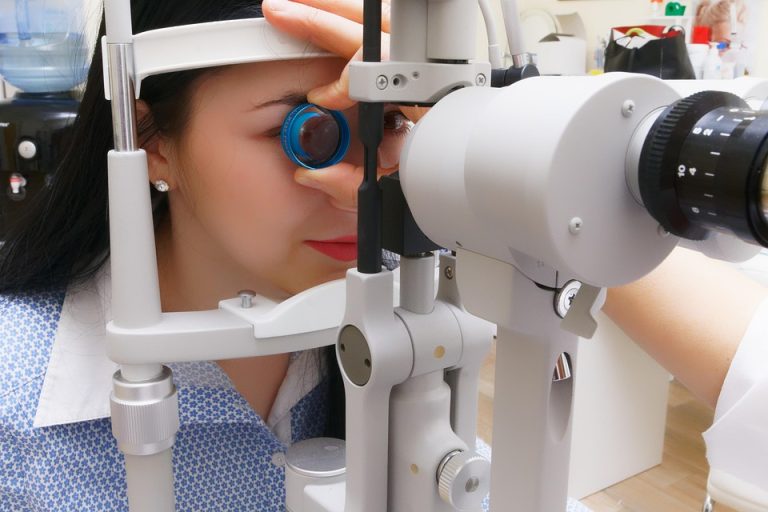
One of the most impactful steps you can take is maintaining a consistent schedule of medical check-ups. Your primary care provider can help you establish a personalized screening schedule based on your age, biological sex, family history, and personal health background.
Essential preventive screenings often include:
- Blood Pressure Checks: Crucial for monitoring cardiovascular health.
- Cholesterol and Blood Sugar Panels: Helpful for assessing the risk of heart disease and type 2 diabetes.
- Cancer Screenings: Including skin checks, Pap smears, mammograms, and colorectal cancer screenings as recommended by health guidelines.
- Immunizations: Staying up to date on routine vaccines, such as annual flu shots and boosters, to protect both yourself and your community.
2. Nourishing Your Body with Whole Foods
Nutrition is the fuel that powers every cell in your body. While dietary needs vary from person to person, a foundational preventive health approach emphasizes nutrient-dense, whole foods.
- Embrace Plant Foods: Fill the majority of your plate with colorful vegetables, fruits, whole grains, nuts, and seeds. These provide essential vitamins, minerals, and dietary fiber.
- Prioritize Quality Protein: Incorporate lean meats, fish, beans, lentils, and plant-based proteins to support muscle maintenance and immune function.
- Stay Hydrated: Water is essential for digestion, nutrient absorption, temperature regulation, and cognitive function. Make water your beverage of choice throughout the day.
- Limit Ultra-Processed Items: Reducing your intake of added sugars, refined carbohydrates, and heavily processed snack foods helps stabilize energy levels and supports long-term metabolic health.
3. Moving Your Body Regularly
Physical activity is a powerful tool in preventive health. Exercise is not just about weight management; it impacts nearly every system in the body.
- Cardiovascular Health: Activities like brisk walking, cycling, swimming, or dancing strengthen your heart and improve circulation.
- Strength and Mobility: Incorporating resistance training (using body weight, resistance bands, or weights) helps maintain muscle mass, bone density, and joint stability as you age.
- Mental Well-being: Physical activity triggers the release of endorphins, which help reduce stress and elevate mood.
The goal is to find movement that you genuinely enjoy. Consistency matters far more than intense, sporadic workouts.
4. Prioritizing Restorative Sleep
In our busy modern culture, sleep is often the first thing we sacrifice. However, restorative sleep is a non-negotiable pillar of preventive health.
During sleep, your brain consolidates memories, clears out cellular waste, and your body repairs muscle tissue and regulates immune function. Chronic sleep deprivation is linked to an increased risk of cardiovascular issues, weakened immunity, and mood disturbances. Aim for seven to nine hours of quality sleep per night by maintaining a consistent sleep schedule and creating a relaxing bedtime routine.
5. Managing Stress and Mental Wellness
Mental and physical health are deeply interconnected. Chronic, unmanaged stress keeps the body in a prolonged “fight-or-flight” state, which can elevate blood pressure, disrupt digestion, and impair immune response.
Incorporating stress-management techniques into your daily life is a vital preventive strategy. Consider exploring:
- Mindfulness meditation or deep-breathing exercises.
- Journaling to process thoughts and emotions.
- Spending time in nature.
- Nurturing strong social connections with friends, family, and community.
Overcoming Barriers to Preventive Care
Even when we know preventive health is important, life gets busy, and obstacles can arise. Common barriers include financial concerns, lack of time, or anxiety about visiting medical professionals.
To overcome these hurdles:
- Check Your Insurance: Many health insurance plans cover routine preventive screenings and check-ups at little to no out-of-pocket cost. Review your policy to take advantage of these benefits.
- Schedule in Advance: Treat your annual wellness visits and health appointments like important business meetings. Put them on your calendar months ahead of time.
- Be Honest With Your Provider: If you feel nervous about medical appointments, let your healthcare team know. A supportive provider will work with you to ensure you feel comfortable and informed.
Key Takeaways
- Proactive Focus: Preventive health shifts the focus from treating illness after it occurs to protecting your well-being before problems arise.
- Comprehensive Approach: Effective prevention relies on a combination of regular medical screenings, nourishing nutrition, consistent movement, restorative sleep, and stress management.
- Personalized Care: Work closely with a qualified healthcare professional to build a preventive schedule tailored to your unique age, lifestyle, and medical history.
- Small Steps Matter: Sustainable lifestyle changes are far more effective over a lifetime than drastic, short-term restrictions.
Frequently Asked Questions
What is the main goal of preventive health?
The primary goal of preventive health is to protect, promote, and maintain health and well-being while preventing disease, disability, and premature death. By identifying risk factors early, individuals can make informed choices to protect their long-term health.
How often should I schedule a general health check-up?
For most healthy adults, a comprehensive physical exam is recommended once a year. However, the ideal frequency can vary based on your age, existing health conditions, and personal family medical history. Always consult your primary care provider for personalized advice.
Are preventive screenings covered by insurance?
In many regions and under many standard insurance policies, basic preventive services and routine screenings are covered at 100% with no copay required. It is always best to contact your insurance provider directly to verify what specific preventive services are included in your plan.
Can lifestyle changes really prevent chronic illness?
While lifestyle changes cannot guarantee complete immunity from all health conditions, scientific evidence consistently shows that maintaining a balanced diet, exercising regularly, avoiding tobacco, and managing stress significantly lower the risk of developing many common chronic diseases.
What is the simplest way to start a preventive health routine?
Begin with one small, manageable change. This could be scheduling an overdue annual check-up, adding an extra glass of water to your daily routine, or committing to a 20-minute daily walk. Once that habit feels natural, you can gradually introduce other positive changes.