

Welcome to The Health Care, your trusted destination for evidence-based health and lifestyle insights. In today’s fast-paced world, achieving optimal health can often feel like an overwhelming puzzle. Between managing career demands, family responsibilities, and social connections, finding time for self-care frequently slips to the bottom of the priority list. However, true health is not about drastic, overnight transformations or restrictive routines. Instead, sustainable well-being is built on small, consistent habits that nourish your mind and body over time. If you have been searching for practical, realistic wellness tips to help you feel your best, you are in the right place. Let’s explore how simple adjustments to your daily routine can lead to lasting vitality. Understanding the Pillars of Holistic Wellness When exploring wellness tips, it helps to view health through a wide-angle lens. Holistic wellness encompasses several interconnected dimensions, including physical activity, nutritional awareness, restorative sleep, and emotional balance. When one area is neglected, the others often feel the strain. Adopting a balanced lifestyle does not require perfection. Rather, it invites you to listen to your body and make informed choices that support your long-term vitality. Let’s break down actionable strategies across key areas of your daily routine. Nourishing Your Body from the Inside Out What you put on your plate plays a fundamental role in your energy levels, immune function, and mental clarity. Rather than following trendy, restrictive diets, focus on a sustainable, whole-food approach. Focus on Nutrient Density Aim to fill your plate with a colorful variety …
Welcome to The Health Care, your trusted destination for evidence-based health and lifestyle insights. In today’s fast-paced world, achieving optimal health can often feel like an overwhelming puzzle. Between managing career demands, family responsibilities, and social connections, finding time for self-care frequently slips to the bottom of the priority list.
However, true health is not about drastic, overnight transformations or restrictive routines. Instead, sustainable well-being is built on small, consistent habits that nourish your mind and body over time. If you have been searching for practical, realistic wellness tips to help you feel your best, you are in the right place. Let’s explore how simple adjustments to your daily routine can lead to lasting vitality.
Understanding the Pillars of Holistic Wellness
When exploring wellness tips, it helps to view health through a wide-angle lens. Holistic wellness encompasses several interconnected dimensions, including physical activity, nutritional awareness, restorative sleep, and emotional balance. When one area is neglected, the others often feel the strain.
Adopting a balanced lifestyle does not require perfection. Rather, it invites you to listen to your body and make informed choices that support your long-term vitality. Let’s break down actionable strategies across key areas of your daily routine.
Nourishing Your Body from the Inside Out
What you put on your plate plays a fundamental role in your energy levels, immune function, and mental clarity. Rather than following trendy, restrictive diets, focus on a sustainable, whole-food approach.
Focus on Nutrient Density
Aim to fill your plate with a colorful variety of whole foods. Fruits, vegetables, lean proteins, whole grains, and healthy fats provide the essential vitamins and minerals your body needs to function optimally.
- Eat the rainbow: Different colored produce offers different antioxidants and phytochemicals.
- Prioritize fiber: Foods like legumes, oats, and leafy greens support digestive health and help maintain steady energy levels.
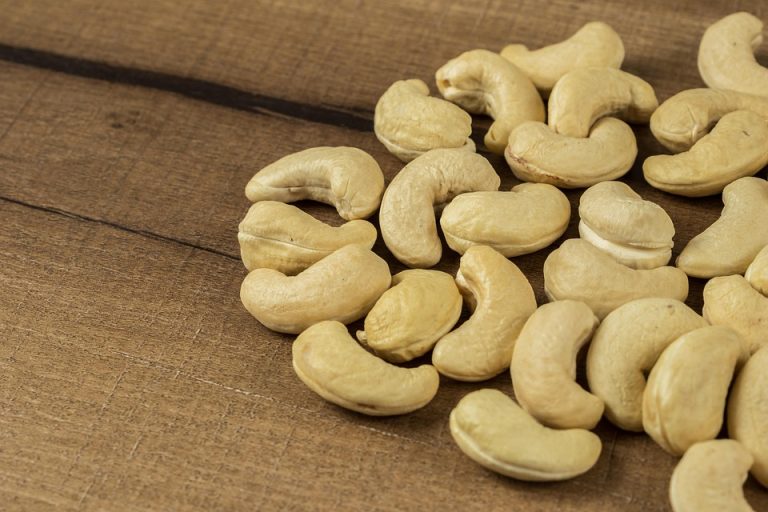
- Choose healthy fats: Incorporate sources like avocados, olive oil, nuts, and seeds to support brain and heart health.
Master the Art of Mindful Hydration
Water makes up a significant portion of our body weight and is vital for virtually every bodily function, from temperature regulation to nutrient transport. Mild dehydration can lead to fatigue, headaches, and difficulty concentrating.
- Keep a reusable water bottle with you throughout the day.
- Infuse your water with lemon, cucumber, or mint if you find plain water unappealing.
- Monitor your hydration status by checking the color of your urine—aim for a pale, straw-like yellow.
Moving with Intention: Physical Activity for Every Body
Exercise is frequently highlighted in wellness tips, and for good reason. Regular physical activity supports cardiovascular health, strengthens muscles and bones, and releases endorphins that elevate your mood.
Find Movement You Enjoy
The best workout is the one you will actually stick to. You do not need to spend hours in a traditional gym if that is not your preference.
- Incorporate NEAT: Non-Exercise Activity Thermogenesis includes everyday movements like walking the dog, gardening, or taking the stairs.
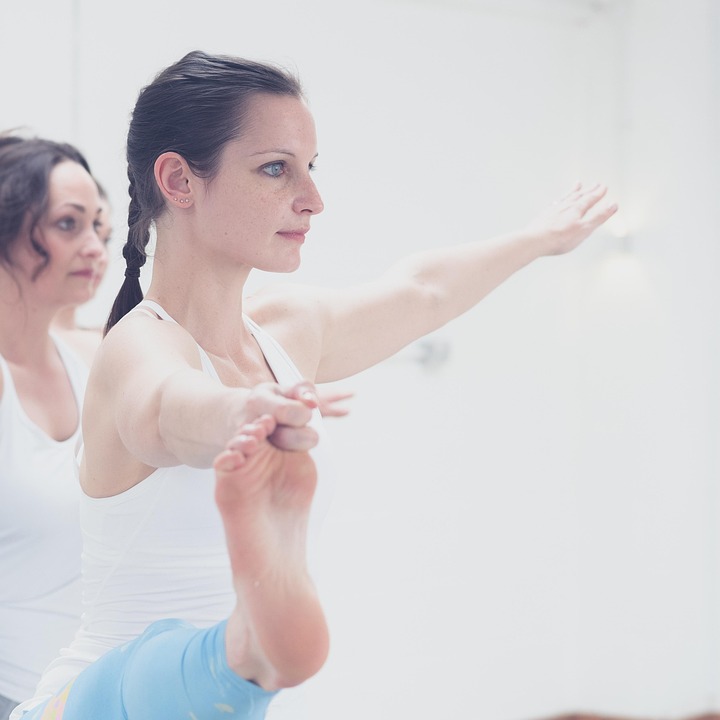
- Mix it up: Combine cardiovascular activities (like brisk walking, swimming, or cycling) with strength training and flexibility work (like yoga or stretching).
- Listen to your body: Rest days are just as important as active days. Overtraining can lead to burnout and injury.
The Power of Rest: Sleep Hygiene Essentials
In our hustle culture, sleep is often treated as a negotiable luxury rather than a biological necessity. However, quality sleep is the foundation upon which all other wellness tips rely. During sleep, your brain consolidates memories, and your body repairs tissues and regulates hormones.
Creating an Ideal Sleep Environment
To improve your sleep quality, focus on your bedtime habits—often referred to as sleep hygiene.
- Stick to a schedule: Go to bed and wake up at the same time every day, even on weekends.
- Limit screen time: Turn off phones, tablets, and televisions at least 30 to 60 minutes before bed. The blue light emitted by screens can interfere with your body’s natural production of melatonin.
- Optimize your bedroom: Keep your sleeping space dark, quiet, and cool (around 65°F or 18°C is often recommended).
Cultivating Mental and Emotional Resilience
Physical health cannot exist in isolation from mental well-being. Chronic stress can take a heavy toll on the body, impacting everything from immune function to digestion. Developing healthy coping mechanisms is essential for long-term health.
Practicing Mindfulness and Stress Management
Mindfulness involves staying present in the moment without judgment. It is a powerful tool for lowering stress and enhancing emotional regulation.
- Take deep breaths: Box breathing or diaphragmatic breathing can quickly calm the nervous system during stressful moments.
- Start a journaling habit: Writing down your thoughts or things you are grateful for can shift your perspective and reduce anxiety.
- Set healthy boundaries: Learn to say no to commitments that drain your energy, preserving your bandwidth for what truly matters.
Key Takeaways
- Consistency beats perfection: Small, daily habits yield better long-term results than drastic, short-term changes.
- Focus on whole foods: A balanced diet rich in colors, fiber, and healthy fats supports overall vitality.
- Move intentionally: Choose physical activities you genuinely enjoy and remember to incorporate rest.
- Prioritize sleep: Treat rest as a biological necessity by establishing a calming bedtime routine.
- Nurture your mind: Practice stress-management techniques like mindfulness, deep breathing, and setting healthy boundaries.
Frequently Asked Questions (FAQs)
1. How can I start incorporating these wellness tips without feeling overwhelmed?
The best approach is to choose just one small habit to focus on for a week or two—such as drinking an extra glass of water or going to bed 15 minutes earlier. Once that feels natural, introduce another small change.
2. How much water should I drink every day?
While the “eight glasses a day” rule is a helpful general guideline, individual water needs vary based on factors like body size, activity level, climate, and overall health. Let thirst be your guide and monitor your urine color for hydration status.
3. What is the best time of day to exercise?
The best time to work out is whatever time fits consistently into your schedule. Morning workouts can boost energy for the day, while evening workouts can help release accumulated stress. Consistency matters more than the exact hour.
4. How does sleep impact weight management?
Inadequate sleep can disrupt the hormones that regulate appetite (ghrelin and leptin), often leading to increased cravings for high-calorie foods and reduced energy for physical activity. Quality rest supports healthy metabolic function.
5. Are these wellness tips suitable for everyone?
Most general lifestyle tips, such as staying hydrated, eating whole foods, and getting adequate rest, are beneficial for the general population. However, individuals with specific health conditions should consult a qualified healthcare professional before making major changes to their diet or exercise routine.