



How to Build a Wellness Routine That Actually Survives Your Busy Schedule

wellness

When you hear the word "wellness," what comes to mind? For many, images of green smoothies, expensive gym memberships, and rigid meditation routines quickly fill the screen. It is easy to view wellness as an exclusive club reserved for those with endless free time and deep pockets. However, true wellness is far more accessible, flexible, and grounded than social media trends suggest. It is not about achieving perfection or following a strict rulebook. Instead, wellness is an active, ongoing process of making choices toward a healthy and fulfilling life. Welcome to The Health Care, where we believe that taking care of your mind and body should feel empowering, not exhausting. In this article, we will explore what wellness really means, how to build balanced daily habits, and why small, consistent changes often lead to the most meaningful results. What Is Wellness? (And What It Is Not) To build a sustainable routine, we must first clear up common misconceptions. Wellness is frequently confused with health, but there is a subtle, important difference. Health is generally viewed as a state of being—free from illness or injury. Wellness is the dynamic, conscious process of becoming aware of and making choices toward a more balanced life. You can experience health challenges and still cultivate wellness. That is because wellness encompasses multiple interconnected dimensions of life. If one area is neglected, the others often feel the strain. The Core Dimensions of Wellness Think of wellness as a wheel with several spokes. If one spoke is …


When you hear the word “wellness,” what comes to mind? For many, images of green smoothies, expensive gym memberships, and rigid meditation routines quickly fill the screen. It is easy to view wellness as an exclusive club reserved for those with endless free time and deep pockets.

However, true wellness is far more accessible, flexible, and grounded than social media trends suggest. It is not about achieving perfection or following a strict rulebook. Instead, wellness is an active, ongoing process of making choices toward a healthy and fulfilling life.

Welcome to The Health Care, where we believe that taking care of your mind and body should feel empowering, not exhausting. In this article, we will explore what wellness really means, how to build balanced daily habits, and why small, consistent changes often lead to the most meaningful results.


What Is Wellness? (And What It Is Not)

To build a sustainable routine, we must first clear up common misconceptions. Wellness is frequently confused with health, but there is a subtle, important difference.

  • Health is generally viewed as a state of being—free from illness or injury.
  • Wellness is the dynamic, conscious process of becoming aware of and making choices toward a more balanced life.

You can experience health challenges and still cultivate wellness. That is because wellness encompasses multiple interconnected dimensions of life. If one area is neglected, the others often feel the strain.

The Core Dimensions of Wellness

Think of wellness as a wheel with several spokes. If one spoke is broken, the ride gets bumpy. These dimensions typically include:

  • Physical Wellness: Caring for your body through balanced nutrition, regular movement, and adequate rest.
  • Mental and Emotional Wellness: Acknowledging your feelings, managing everyday stress, and practicing self-compassion.
  • Social Wellness: Building healthy, supportive relationships and feeling a sense of community connection.
  • Environmental Wellness: Creating living and working spaces that promote safety, calm, and productivity.

Understanding this broader picture helps shift your focus away from a single metric—like a number on a scale—and toward a holistic approach to daily living.


The Pillars of Physical Wellness: Simple Habits That Stick

When building physical wellness, consistency always beats intensity. You do not need to spend hours in the gym or follow restrictive elimination diets to support your body. Focus instead on foundational habits.

1. Nourishing Your Body Mindfully

Food is fuel, but it is also a source of pleasure and cultural connection. Instead of adopting the latest fad diet, aim for a balanced plate approach:

  • Fill half your plate with colorful fruits and vegetables, which provide essential vitamins, minerals, and dietary fiber.
  • Include lean proteins and complex carbohydrates to keep your energy levels steady throughout the day.
  • Stay hydrated by drinking water regularly, which supports digestion, cognitive function, and temperature regulation.

2. Finding Movement You Enjoy

Exercise should not feel like punishment. If you hate running, do not force yourself to run. The best physical activity is the one you will actually do consistently.

  • Take a brisk 20-minute walk during your lunch break.
  • Try dancing in your living room to your favorite playlist.
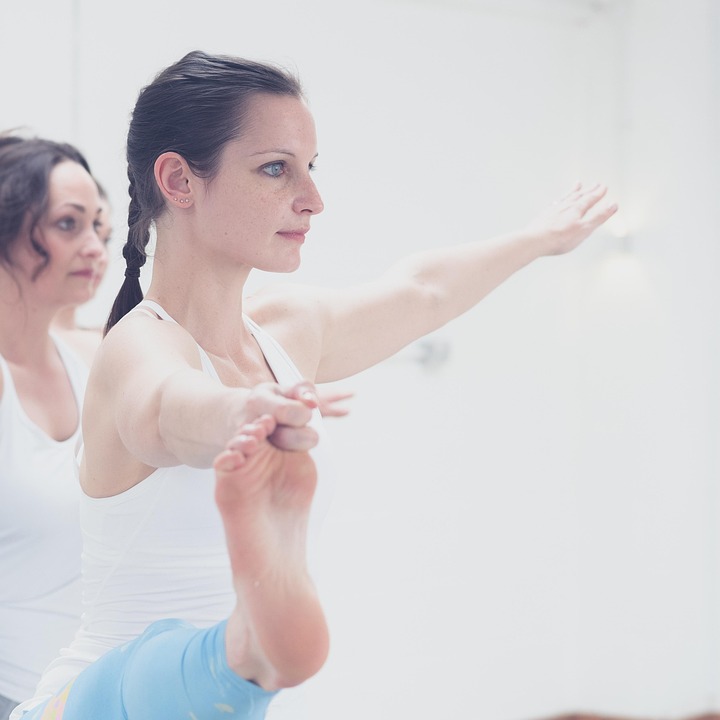
  • Incorporate gentle stretching or yoga to improve flexibility and release tension.

3. Prioritizing Rest and Recovery

In our hustle-culture society, sleep is often the first thing we sacrifice. Yet, quality rest is non-negotiable for both physical and mental wellness.

  • Aim for 7 to 9 hours of quality sleep per night.
  • Establish a calming bedtime routine, such as reading a book or dimming the lights an hour before bed.
  • Limit screen exposure late at night to help your brain wind down naturally.


Cultivating Mental and Emotional Balance

Physical health is only part of the equation. Mental and emotional wellness dictate how we handle life’s inevitable ups and downs. Building resilience takes practice, but small daily habits can make a profound difference.

Managing Everyday Stress

Stress is a normal part of the human experience. However, chronic, unmanaged stress can take a heavy toll on the body and mind.

  • Practice deep breathing: Taking slow, deliberate breaths can help calm your nervous system in moments of high anxiety.
  • Set healthy boundaries: Learn to say “no” to commitments that drain your energy and leave no time for recovery.
  • Journal your thoughts: Writing down what is bothering you can help clear mental clutter and put your worries into perspective.

The Power of Mindfulness

Mindfulness is simply the practice of being fully present in the current moment, without judgment. You do not need to sit in silence for an hour to practice it. You can be mindful while washing the dishes, eating a meal, or walking outside by paying close attention to your senses.


Creating a Personalized Wellness Plan

Because no two people are alike, a cookie-cutter approach to wellness rarely works. What energizes your friend might drain you. Designing a personal plan requires self-reflection and patience.

Start Small with Habit Stacking

Trying to change everything at once is a recipe for burnout. Instead, use a technique called “habit stacking.” This involves attaching a new, small habit to an existing daily routine.

  • Example: “While my morning coffee is brewing (existing habit), I will drink one glass of water (new habit).”
  • Example: “After I brush my teeth at night (existing habit), I will do three minutes of deep breathing (new habit).”

By starting small, you build confidence and momentum. Over time, these tiny actions compound into significant lifestyle improvements.


Key Takeaways

  • Wellness is holistic: It goes beyond physical fitness to include mental, emotional, and social well-being.
  • Consistency over intensity: Small, daily habits yield better long-term results than extreme, short-term lifestyle overhauls.
  • Listen to your body: Your needs change depending on the season of life, stress levels, and energy reserves. Flexibility is key.
  • Ditch perfectionism: Wellness is a lifelong journey with ups and downs, not a destination you finally “arrive” at.


Frequently Asked Questions

1. What is the difference between health and wellness?

Health typically refers to a state of physical and mental well-being free from disease. Wellness is an active, intentional process of making choices that lead toward a more balanced, fulfilling, and multidimensional life.

2. How can I start a wellness routine if I am extremely busy?

Start by integrating micro-habits into your current schedule. This could mean taking a 10-minute walk, drinking an extra glass of water, or pausing for five deep breaths during your workday. You do not need hours of free time to make positive changes.

3. Do I need to follow a strict diet to maintain wellness?

No. Rigid diets often lead to cycles of restriction and burnout. A more sustainable approach focuses on balanced, nutrient-dense foods while still allowing flexibility and enjoyment.

4. How much sleep do I actually need?

Most adults require between 7 and 9 hours of quality sleep per night for optimal physical recovery, cognitive function, and emotional regulation. Individual needs may vary slightly.

5. What should I do if I feel overwhelmed by my wellness goals?

Scale back immediately. Pick just one simple habit to focus on for the next two weeks. Once that habit feels automatic, you can consider adding another small change to your routine.


Related Posts

healthy lifestyle
August 26, 2026
The 10-Minute Routine That Will Transform Your Mornings

In today’s fast-paced world, the pursuit of wellness often feels like navigating a maze of conflicting advice. From extreme diets and grueling workout regimens to viral wellness trends on social media, it is easy to feel overwhelmed. Many people believe that achieving optimal health requires a complete, exhausting life overhaul. However, true wellness is rarely the result of drastic measures. Instead, it is built on the quiet, consistent choices we make every single day. At The Health Care, we believe that sustainable wellbeing should be accessible, realistic, and tailored to your unique life. Embracing a healthy lifestyle is not about restriction or perfection; it is about creating daily habits that nourish your body, calm your mind, and support your long-term vitality. Whether you are looking to boost your daily energy, improve your mental clarity, or simply feel more comfortable in your own skin, this evidence-based guide will help you build a foundation for lasting health. What Does a Healthy Lifestyle Really Mean? When you hear the term healthy lifestyle, what comes to mind? For many, it immediately conjures images of endless salads and grueling hours at the gym. In reality, a balanced approach to wellbeing encompasses every facet of your daily routine. It is a dynamic state of physical, mental, and social harmony. Rather than focusing on a single metric—like the number on a scale—a holistic approach looks at how your daily choices influence your overall quality of life. By understanding the core pillars of wellness, you can shift your …

daily health tips
August 26, 2026
The 5-Minute Morning Routine That Changes Everything

True wellness is rarely the result of a single, massive lifestyle overhaul. Instead, long-term health is built quietly, brick by brick, through the small choices we make every single day. When you look at people who age gracefully, maintain steady energy levels, and resist chronic illness, you are rarely looking at someone who follows an extreme routine. More often, you are looking at someone who has mastered the art of consistent, sustainable daily health habits. Welcome to The Health Care, your trusted resource for evidence-based wellness guidance. In this article, we will explore seven practical, science-backed daily health tips designed to help you optimize your physical and mental well-being. Whether you are looking to boost your energy, sharpen your focus, or simply feel better in your body, these foundational habits will set you up for success. 1. Prioritize Quality Sleep as Your Foundation Before we talk about nutrition, exercise, or stress management, we have to talk about sleep. It is the ultimate biological reset button. Skimping on rest doesn’t just make you groggy; it impacts your immune function, hormonal balance, cognitive performance, and metabolic health. When you sleep, your brain clears out cellular waste products, and your body repairs muscle tissue and consolidates memories. Chronic sleep deprivation is consistently linked to a higher risk of various health complications over time. How to Improve Your Nightly Rest: Keep a consistent schedule: Go to bed and wake up at the same time every day, even on weekends, to support your body’s internal …

preventive health
August 25, 2026
Future-Proof Your Body: 5 Daily Habits That Pay Off in Decades

When was the last time you thought about your health when you weren’t feeling sick? For many of us, healthcare is actually "sick care." We go to the doctor only when a persistent cough, a sharp pain, or an unusual fatigue forces us to book an appointment. While treating illnesses is undeniably important, waiting for disease to strike is a reactive approach to living. Imagine driving a car without ever changing the oil, checking the tire pressure, or looking under the hood until the engine smokes and breaks down on the highway. It is a costly, stressful, and entirely avoidable scenario. Your body works much the same way. Preventive health is the routine maintenance that keeps your physical and mental engine running smoothly. By shifting our focus from treating illness to maintaining wellness, we can catch potential health issues early, lower our risk of chronic conditions, and dramatically improve our quality of life. Welcome to The Health Care. In this guide, we will explore what preventive health truly means, the simple steps you can take today, and how proactive habits can help you build a healthier, more vibrant future. What Is Preventive Health? Preventive health encompasses the measures taken to prevent diseases—or injuries—rather than curing them or treating their symptoms after they occur. Think of it as a spectrum of care that includes everything from daily lifestyle choices to routine medical screenings. Healthcare professionals generally divide preventive care into three distinct categories: Primary Prevention: Measures aimed at preventing a disease …

wellness tips
August 25, 2026
The 5-Minute Wellness Routine That Actually Works

In today’s fast-paced world, the pursuit of better health can often feel overwhelming. From the latest superfood trends to high-intensity fitness fads, we are constantly bombarded with conflicting advice on how to live well. But true well-being doesn't require a complete lifestyle overhaul overnight. Instead, sustainable health is built on small, consistent daily habits that support your body and mind over the long term. Welcome to The Health Care, your trusted resource for practical, evidence-based guidance. If you are looking to elevate your everyday routine without burning out, you are in the right place. In this article, we will explore 10 actionable wellness tips designed to help you cultivate lasting vitality, balance, and peace of mind. What Does "Wellness" Really Mean? Before diving into the tips, let’s define the goal. Wellness is not merely the absence of disease. According to major health organizations, it is an active process of making choices toward a healthy and fulfilling life. It encompasses physical vitality, mental clarity, emotional resilience, and social connection. When you adopt practical wellness tips, you aren't chasing perfection. You are simply giving your body the foundational tools it needs to function at its best. Let’s look at how you can integrate these habits into your daily schedule. 1. Prioritize Quality Sleep as a Non-Negotiable Foundation Sleep is often the first thing we sacrifice when life gets busy, yet it is the cornerstone of all health and wellness. During sleep, your brain consolidates memories, your cells repair themselves, and your immune …

healthy living
August 25, 2026
The Wellness Trap: Are You Doing Too Much to Stay Healthy?

In today’s fast-paced world, the pursuit of wellness often feels like a full-time job. Between conflicting diet trends, high-intensity fitness challenges, and endless advice on social media, it is easy to feel overwhelmed. Many people approach healthy living with an "all-or-nothing" mindset—committing to strict routines only to burn out within a few weeks. However, sustainable well-being is not about drastic overhauls or quick fixes. True health is built on small, consistent choices that fit seamlessly into your daily life. At The Health Care, we believe that wellness should feel empowering, flexible, and achievable. This guide explores the foundational pillars of healthy living, offering evidence-based strategies to help you nourish your body, calm your mind, and build habits that last a lifetime. Understanding the Foundation of Healthy Living When we think about health, we often focus exclusively on physical metrics like weight, cholesterol, or how much we can lift. While physical fitness is important, it is only one piece of the puzzle. Healthy living encompasses a holistic approach to well-being. It is the dynamic balance of physical, mental, and emotional health. When one area is neglected, the others often feel the impact. For example, chronic stress can disrupt sleep, which in turn affects your food choices and energy levels for physical activity. Recognizing this interconnectedness is the first step toward lasting wellness. The Shift from Perfection to Progress One of the biggest barriers to healthy living is the pursuit of perfection. Eating a single cookie will not derail your nutrition, and …

healthy habits
August 25, 2026
The 2-Minute Rule: How to Build Healthy Habits Without the Overwhelm

In today’s fast-paced world, the pursuit of better health often feels overwhelming. Everywhere you look, there is a new superfood to buy, an extreme workout routine to follow, or a strict wellness trend promising overnight transformations. But true well-being does not come from drastic, short-term measures. Instead, lasting vitality is built on the foundation of consistent, everyday healthy habits. At The Health Care, we believe that taking care of your body and mind should be approachable, realistic, and enjoyable. You do not need to overhaul your entire life by tomorrow morning. By making small, intentional adjustments to your daily routine, you can create positive changes that accumulate over time, supporting both your physical and mental health. Let’s explore how you can cultivate sustainable healthy habits to help you feel your best every single day. What Are Healthy Habits and Why Do They Matter? Healthy habits are regular behaviors that positively impact your physical, mental, and emotional well-being. Unlike rigid rules, habits are actions that become second nature through repetition. When you practice healthy habits consistently, you reduce your risk of developing chronic conditions, boost your energy levels, and improve your mood. More importantly, habits remove the need for constant decision-making. Once a behavior becomes routine, you do it without overthinking, making it much easier to maintain over the long run. Pillar 1: Nourishing Your Body with Intentional Nutrition Food is fuel. What you put on your plate directly influences your energy, cognitive function, and long-term health. However, healthy eating does …