

In today’s fast-paced world, the pursuit of wellness often feels like navigating a maze of conflicting advice. From extreme diets and grueling workout regimens to viral wellness trends on social media, it is easy to feel overwhelmed. Many people believe that achieving optimal health requires a complete, exhausting life overhaul. However, true wellness is rarely the result of drastic measures. Instead, it is built on the quiet, consistent choices we make every single day. At The Health Care, we believe that sustainable wellbeing should be accessible, realistic, and tailored to your unique life. Embracing a healthy lifestyle is not about restriction or perfection; it is about creating daily habits that nourish your body, calm your mind, and support your long-term vitality. Whether you are looking to boost your daily energy, improve your mental clarity, or simply feel more comfortable in your own skin, this evidence-based guide will help you build a foundation for lasting health. What Does a Healthy Lifestyle Really Mean? When you hear the term healthy lifestyle, what comes to mind? For many, it immediately conjures images of endless salads and grueling hours at the gym. In reality, a balanced approach to wellbeing encompasses every facet of your daily routine. It is a dynamic state of physical, mental, and social harmony. Rather than focusing on a single metric—like the number on a scale—a holistic approach looks at how your daily choices influence your overall quality of life. By understanding the core pillars of wellness, you can shift your …
In today’s fast-paced world, the pursuit of wellness often feels like navigating a maze of conflicting advice. From extreme diets and grueling workout regimens to viral wellness trends on social media, it is easy to feel overwhelmed. Many people believe that achieving optimal health requires a complete, exhausting life overhaul. However, true wellness is rarely the result of drastic measures. Instead, it is built on the quiet, consistent choices we make every single day.
At The Health Care, we believe that sustainable wellbeing should be accessible, realistic, and tailored to your unique life. Embracing a healthy lifestyle is not about restriction or perfection; it is about creating daily habits that nourish your body, calm your mind, and support your long-term vitality. Whether you are looking to boost your daily energy, improve your mental clarity, or simply feel more comfortable in your own skin, this evidence-based guide will help you build a foundation for lasting health.
What Does a Healthy Lifestyle Really Mean?
When you hear the term healthy lifestyle, what comes to mind? For many, it immediately conjures images of endless salads and grueling hours at the gym. In reality, a balanced approach to wellbeing encompasses every facet of your daily routine. It is a dynamic state of physical, mental, and social harmony.
Rather than focusing on a single metric—like the number on a scale—a holistic approach looks at how your daily choices influence your overall quality of life. By understanding the core pillars of wellness, you can shift your focus from short-term fixes to lifelong habits that genuinely support your body and mind.
Pillar 1: Nourishing Your Body with Whole Foods
Nutrition is the fuel that powers your daily life. What you put on your plate directly impacts your energy levels, immune function, and long-term health. However, healthy eating does not mean living on bland foods or completely eliminating your favorite treats.
Focus on Nutrient Density
The cornerstone of a balanced diet is nutrient density—getting the highest possible amount of vitamins, minerals, and antioxidants from your food.
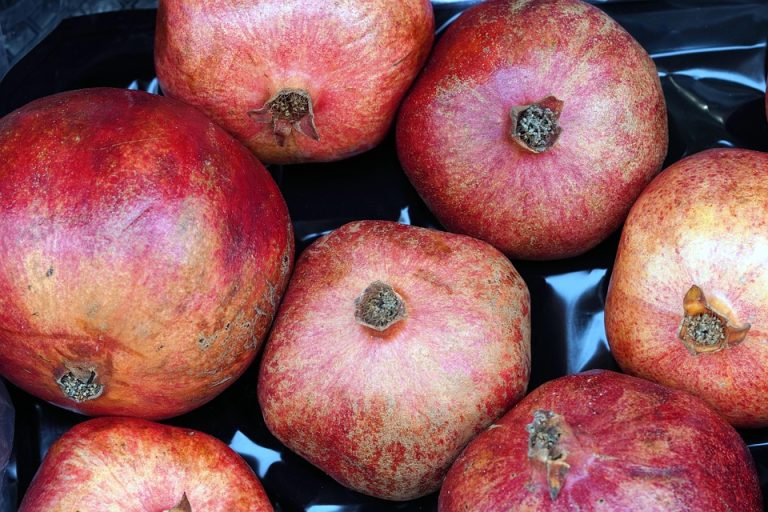
- Embrace Color: Fill your plate with a rainbow of fruits and vegetables. Different colors represent different phytonutrients that support various bodily functions.
- Prioritize Lean Proteins: Foods like fish, poultry, beans, and lentils help repair tissues and keep you feeling full and satisfied.
- Choose Complex Carbohydrates: Opt for whole grains such as quinoa, brown rice, and oats, which provide sustained energy rather than quick sugar spikes.
- Healthy Fats: Incorporate sources like avocados, nuts, seeds, and olive oil, which are essential for brain health and hormone regulation.
The Power of Hydration
Water makes up a significant portion of our bodies and is essential for nearly every physiological process, including digestion, circulation, and temperature regulation. Many people confuse thirst with hunger, leading to unnecessary snacking and fatigue. Aim to drink adequate water throughout the day, and limit sugary beverages that can cause energy crashes.
Pillar 2: Moving Your Body with Joy
Exercise is often viewed as a chore—something we force ourselves to do as punishment for what we ate. This mindset makes it difficult to maintain a consistent routine. To build a truly healthy lifestyle, you need to reframe how you think about physical activity.
Find Movement You Enjoy
Physical activity should be a celebration of what your body can do, not a penance. When you find an activity you genuinely enjoy, movement becomes something you look forward to rather than avoid.
- Cardiovascular Health: Activities like brisk walking, cycling, swimming, or dancing get your heart rate up and support cardiovascular endurance.
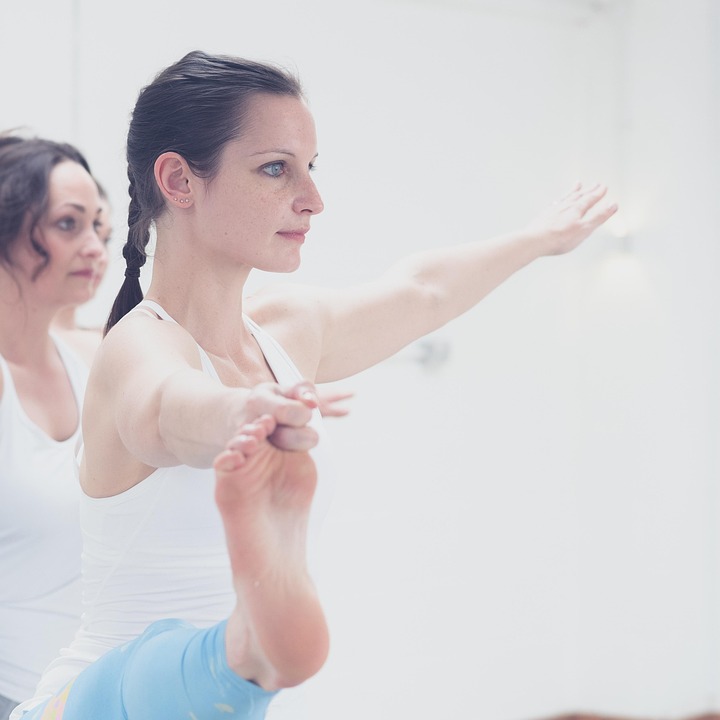
- Strength and Stability: Incorporating bodyweight exercises, resistance training, or yoga helps maintain muscle mass, bone density, and functional mobility as you age.
- Everyday Movement: Do not underestimate the power of NEAT (Non-Exercise Activity Thermogenesis). Taking the stairs, gardening, or walking your dog all contribute significantly to your daily energy expenditure.
Pillar 3: Prioritizing Rest and Quality Sleep
In our hustle-culture society, sleep is often the first thing we sacrifice. We stay up late to finish work or scroll through our phones, treating rest as a luxury rather than a biological necessity. However, adequate sleep is just as important to a healthy lifestyle as nutrition and exercise.
The Science of Sleep
During sleep, your body undergoes crucial repair processes. It consolidates memories, regulates hormones, clears metabolic waste from the brain, and strengthens the immune system. Chronic sleep deprivation is linked to numerous health challenges, including decreased cognitive function, mood disturbances, and metabolic imbalances.
Tips for Better Sleep Hygiene
- Maintain a Schedule: Go to bed and wake up at the same time every day, even on weekends, to support your circadian rhythm.
- Create a Wind-Down Routine: Turn off screens at least an hour before bed. The blue light emitted by phones and laptops interferes with melatonin production.
- Optimize Your Environment: Keep your bedroom cool, dark, and quiet to encourage deep, uninterrupted rest.
Pillar 4: Nurturing Mental and Emotional Wellbeing
Physical health and mental health are deeply intertwined. Stress, anxiety, and emotional burnout can manifest physically, leading to tension, fatigue, and weakened immune function. Cultivating emotional resilience is a vital component of holistic wellness.
Stress Management Techniques
While you cannot eliminate stress entirely, you can change how your body and mind respond to it.
- Mindfulness and Meditation: Taking just five to ten minutes a day to focus on your breath can quiet an overactive mind and reduce cortisol levels.
- Set Boundaries: Learn to say no to commitments that drain your energy and protect your personal time.
- Connect with Others: Humans are inherently social creatures. Strong, supportive relationships with friends and family provide emotional grounding and improve overall life satisfaction.
Overcoming Common Obstacles on Your Wellness Journey
Even with the best intentions, building a healthy lifestyle comes with hurdles. Recognizing these common pitfalls can help you navigate them with grace and resilience.
The All-or-Nothing Trap
Many people abandon their wellness goals because they ate a piece of cake or missed a workout. Remember that health is built on averages, not perfection. One single meal or missed day will not derail your progress, just as one salad will not instantly transform your health. Consistency always trumps perfection.
Relying Solely on Motivation
Motivation is a fickle emotion; it comes and goes. When motivation is low, discipline and routine take over. Instead of waiting to “feel” like going for a walk or cooking a healthy meal, rely on small, manageable habits that require minimal mental effort to initiate.
Key Takeaways
- Progress Over Perfection: A healthy lifestyle is built on small, sustainable daily habits rather than extreme, short-term overhauls.
- Holistic Balance: True wellness encompasses nutritious eating, joyful physical activity, restorative sleep, and mental wellbeing.
- Listen to Your Body: Pay attention to your unique physical and emotional needs, adjusting your routine as your life changes.
- Consistency Wins: Small, daily actions compound over time, yielding far better long-term results than sporadic bursts of intense effort.
- Prioritize Rest: Sleep and stress management are foundational pillars of health that should never be neglected.
Frequently Asked Questions (FAQs)
1. How do I start building a healthy lifestyle if I am completely out of shape?
Start small. Choose one manageable change, such as drinking an extra glass of water each day or taking a 15-minute afternoon walk. Once that habit feels natural, layer in another small change. Gradual progression prevents burnout and increases your chances of long-term success.
2. Do I need to cut out my favorite foods to be healthy?
Not at all. A balanced approach allows for flexibility. Completely restricting foods you love often leads to cravings and binge eating. Instead, practice moderation and focus on adding nutritious whole foods to your diet rather than obsessing over what to eliminate.
3. How many hours of sleep do most adults need?
Most adults thrive on seven to nine hours of quality sleep per night. However, individual needs vary slightly based on genetics, age, and activity levels. Pay attention to how you feel during the day to determine your optimal sleep duration.
4. What is the best type of exercise for overall health?
The “best” exercise is the one you enjoy and can maintain consistently. A well-rounded routine typically combines cardiovascular activity, strength training, and flexibility work, but finding an activity you love—whether it is swimming, dancing, or hiking—is the most important factor.
5. How can I manage daily stress when I have a busy schedule?
Incorporate micro-habits into your day. This can include taking three deep breaths before opening your email, stepping outside for a five-minute walk during lunch, or setting aside ten minutes in the evening to read a book without screens. Small moments of intentional pause can significantly reduce stress levels.