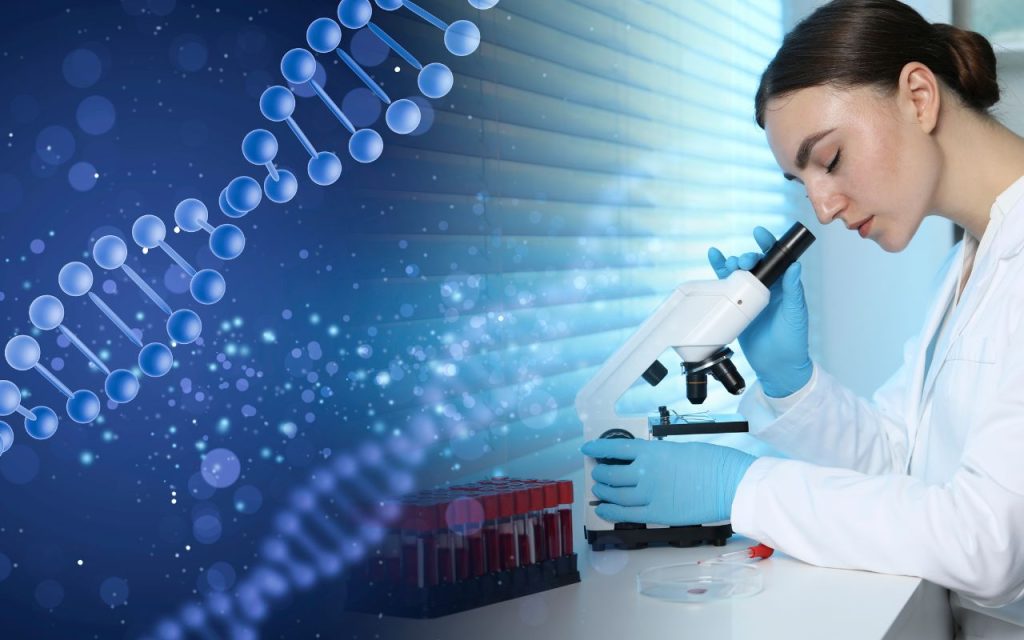

Genetics and Your Health: How Your Genes Can Influence Your Wellbeing

Your genes can influence many aspects of your health, but genetics is only one part of the picture. Explore how genes, family history, lifestyle, and environmental factors interact—and what genetic testing may reveal about your health.

Every person is unique, and one reason is found in our DNA. Genetics plays an important role in many aspects of human health, from inherited characteristics to the risk of developing certain conditions.

However, having a particular genetic variant does not always mean that a person will develop a specific disease.

What Is Genetics?

Genetics is the study of genes and how traits are passed from parents to their children. Genes are sections of DNA that contain biological information used by cells to perform different functions.

You inherit genetic material from both biological parents, creating a unique combination of genetic information.

Genes and Health

Genes can influence characteristics such as eye color, blood type, and other biological traits. They can also contribute to susceptibility to certain health conditions.

For many diseases, however, genetics is only one part of the picture.

Environmental factors, lifestyle, age, nutrition, physical activity, and other influences can interact with genetic factors.

Genetic Risk Does Not Always Mean Genetic Certainty

One of the most important things to understand about genetics is the difference between risk and certainty.

A genetic variant may increase someone’s likelihood of developing a particular condition without guaranteeing that the condition will occur.

Think of genetics as one part of a much larger health picture.

Why Family History Matters

Your family health history can provide useful clues about potential health risks. If several close relatives have had the same condition, particularly at younger-than-usual ages, discussing that history with a healthcare professional may be helpful.

Important information can include:

  • The condition or diagnosis
  • Which relative had it
  • Approximate age when it developed
  • Whether multiple relatives were affected
  • Any known genetic diagnosis

What Is Genetic Testing?

Genetic testing examines DNA for specific changes or variants. Different tests are designed for different purposes, so a genetic test should be interpreted according to what it actually examines.

Some genetic tests are used in medical settings to help investigate inherited conditions or assess certain risks. Other consumer tests may provide information about ancestry or selected traits.

A test result can sometimes be difficult to interpret without appropriate professional guidance.

Genetics and Lifestyle

Genetic information does not mean that healthy lifestyle choices are irrelevant. Depending on the condition, factors such as nutrition, exercise, avoiding tobacco, maintaining a healthy weight, and appropriate medical screening may still play important roles.

In some situations, knowing that you have an increased genetic risk may help you and your healthcare professional make informed decisions about screening or prevention.

Genetics and Future Healthcare

As genetic research continues to develop, researchers are learning more about how genes interact with the environment and lifestyle. Genetic information may increasingly contribute to personalized approaches to healthcare.

However, genetic science is complex, and results should be interpreted carefully rather than used to make assumptions about an individual’s future health.

The Bottom Line

Your genes are an important part of your biology, but they are not necessarily your entire health story. Family history, environment, lifestyle, and other factors can all influence health outcomes.

Health Note: Genetic information can be complex and highly individual. If you are considering genetic testing or are concerned about an inherited condition, discuss your situation with a qualified healthcare professional or genetic counselor.

Featured Image Keywords:
DNA genetics, genetic health, DNA helix medical, genetic testing, personalized healthcare, family genetics, human DNA


Related Posts

healthy digestion
November 10, 2026
* Decoding Your Digestion: Signs Your Gut Needs Attention

For many people, the creamy richness of a morning latte or a comforting slice of aged cheddar brings pure culinary joy. However, if those pleasant moments are frequently followed by an unexpected wave of bloating, rumbling sounds, or digestive unease, you might begin to question how your body processes milk and dairy products. Understanding how the digestive system interacts with dairy requires looking beyond simple labels. Rather than viewing milk as a universal trigger, it helps to examine the specific biological mechanisms at play, the difference between a temporary digestive hiccup and a true medical condition, and how to maintain a varied, nourishing plate without unnecessary dietary restriction. The Science of Milk Sugar: Understanding Lactose Breakdown At the heart of most dairy-related digestive queries is a simple sugar called lactose. Found naturally in the milk of mammals—including cows, goats, and sheep—lactose is a disaccharide, meaning it consists of two smaller sugar molecules linked together: glucose and galactose. For your body to absorb these sugars, your small intestine must produce a specific enzyme known as lactase. Lactase acts like a specialized molecular key, unlocking the disaccharide so its component parts can pass through the intestinal wall into the bloodstream. As humans grow from infancy into adulthood, the natural production of lactase often declines. This biological shift varies widely across different global populations and genetic backgrounds. When lactase activity is reduced, unabsorbed lactose continues its journey through the digestive tract into the large intestine. In the colon, resident bacteria interact with the …

healthy sleep habits
November 10, 2026
The Science of Sleep: How Healthy Habits Rewire Your Brain and Body

Modern life moves at a relentless pace. Between professional demands, family responsibilities, and the constant digital hum of smartphones, our brains are rarely given permission to truly power down. Yet, when nighttime finally arrives, many of us expect our minds and bodies to instantly transition from high-gear productivity to profound, restorative sleep. When that abrupt shift fails—leading to tossing, turning, and staring at the ceiling—we often blame our mattresses, our room temperature, or a late-night cup of coffee. Frequently, however, the missing link isn’t what we do in bed, but how we spend the ninety minutes before we get there. Designing an intentional evening routine is one of the most powerful lifestyle choices you can make for your cognitive function, emotional resilience, and long-term health. Let’s explore how to bridge the gap between a stressful day and a deeply rejuvenating night. Why the "In-Between" Hours Matter Biological sleep medicine teaches us that sleep is not a light switch; it is a gradual descent. Throughout the day, your body accumulates a chemical called adenosine, which builds sleep pressure. Simultaneously, your circadian rhythm regulates your core body temperature and hormone production—specifically tapering off cortisol (the stress hormone) and ramping up melatonin (the sleep hormone). If you slam on the biological brakes by jumping straight from answering work emails into total darkness, your nervous system remains stuck in a sympathetic ("fight-or-flight") state. An effective evening routine acts as a deliberate runway, signaling to your brain that the day is safely behind you and …

nutrition tips
November 10, 2026
How to Build the Ultimate Balanced Plate Every Single Time

Few kitchen staples bridge the gap between comforting flavor and robust nutrition quite like the sweet potato. With their vibrant orange flesh, natural sweetness, and remarkable versatility, these tubers have earned a permanent spot on grocery lists worldwide. However, maximizing their culinary and health potential goes beyond simply tossing them into the oven. Understanding how to choose the right varieties, store them properly, and apply smart cooking techniques can completely transform your weekly menu. Whether you are looking to elevate your meal prep routine or simply curious about how to make these nutrient-dense roots shine on your plate, a thoughtful approach to sweet potatoes makes all the difference. Decoding Varieties: Beyond the Standard Orange Tuber When most shoppers think of sweet potatoes, they picture the deep copper-skinned variety with bright orange flesh. Yet, the botanical family of sweet potatoes is surprisingly diverse, offering a range of textures, starch levels, and flavor profiles that suit different cooking applications. The Classic Jewel and Garnet These varieties are characterized by their moist, tender flesh and high sugar content. When roasted, their natural starches caramelize, creating a rich, custard-like interior. They are exceptionally well-suited for traditional baking, mashing, or blending into velvety soups. The Firm White and Japanese Sweet Potatoes Featuring lighter skin—ranging from pale tan to purple—these types generally contain less moisture and higher starch content, yielding a firmer, fluffier texture akin to a standard baking potato when cooked. Japanese sweet potatoes, distinguished by their reddish-purple skin and creamy white interior, offer a …

genes and nutrition
November 10, 2026
### Informative & Science-Based (Best for health and wellness sites)

When people hear the word "genetics," they often picture absolute destiny—a predetermined script written inside every cell that dictates exactly what illnesses a person will face, when they will develop them, and how their life will unfold. This black-and-white view of human biology is deeply embedded in popular culture, from science fiction thrillers to casual conversations about family medical history. However, modern genetics paints a far more nuanced, dynamic, and ultimately empowering picture. Understanding genetic risk explained correctly changes how we view our bodies, our medical choices, and our long-term wellness. Rather than functioning as a crystal ball that predicts the future with 100% certainty, your DNA is more like a weather forecast. It tells you about probabilities, high-pressure systems, and potential storms on the horizon, giving you the chance to prepare, adapt, and protect yourself. For readers of The Health Care, breaking down how genetic risk works is essential for making informed, proactive health decisions. Let’s dive deep into the science of heredity, explore the difference between various types of genetic vulnerabilities, and look at how your lifestyle interacts with the biological cards you were dealt. The Blueprint Analogy: Understanding How DNA Influences Health To comprehend genetic risk, it helps to move away from complex laboratory jargon and use a familiar comparison. Imagine your genome—the complete set of instructions encoded in your DNA—as a massive, multi-volume set of architectural blueprints for a skyscraper. The Foundation (Your DNA): Every human shares about 99.9% of their genetic blueprint. The remaining 0.1% …

food intolerance symptoms
November 10, 2026
Beyond the Gut: Surprising Physical Symptoms of Food Sensitivities

It starts innocently enough. You enjoy a leisurely meal featuring aged cheddar, a glass of fermented red wine, and a side of sun-dried tomatoes—a quintessential evening spread. Yet, within a couple of hours, you notice a throbbing headache, a flushed face, or a sudden bout of mild nasal congestion. While it is easy to dismiss these sensations as stress or fatigue, your body might be reacting to a completely different culprit: dietary histamine. Histamine intolerance is a fascinating and often misunderstood physiological response. Rather than a traditional immune system malfunction, it represents an imbalance between the amount of histamine consumed in food and the body's capacity to break it down. For individuals navigating this digestive quirk, everyday eating requires a nuanced understanding of how biochemical pathways manage the compounds on our plates. What Is Histamine Intolerance? To understand why certain foods provoke unexpected discomfort, it helps to look at how histamine functions naturally within the human body. Histamine is a vital chemical messenger belonging to the amine family. It plays critical roles in regulating stomach acid secretion, transmitting neural signals, and orchestrating the immune system's inflammatory responses. Under normal circumstances, enzymes produced in the digestive tract—most notably diamine oxidase (DAO)—rapidly neutralize histamine ingested from food before it enters the bloodstream. However, when DAO production is diminished or overwhelmed, dietary histamine accumulates. This accumulation does not stem from an allergy. True food allergies involve an IgE-mediated immune reaction where the body attacks a harmless protein, which can trigger severe or life-threatening …

morning health habits
November 9, 2026
The Circadian Rhythm Reset: Morning Habits Backed by Science

We live in a culture that champions the sprint. From morning alarms to the final glowing email check of the night, our days are defined by momentum. Yet, human biology was never designed to operate at a singular, high-octane speed. Just as an engine requires a cooling-down period after a long haul, the human body and mind need a deliberate gear shift to transition from the demands of the day into restorative rest. In wellness circles, this intentional slowing down is known as "downshifting." Far from a luxury or a passive act of laziness, downshifting is a vital biological necessity. Neglecting it keeps our nervous system locked in a state of chronic activation, slowly eroding our sleep quality, immune function, and emotional resilience. Let’s explore what happens when we fail to decompress, why the evening transition matters so much for your long-term health, and how you can weave simple, restorative habits into your nightly routine. The Hidden Toll of the "Always-On" Lifestyle When the sun goes down, our ancient evolutionary programming expects us to wind down, lower our guard, and prepare for repair. Modern life, however, defies this biology. By bringing work into our living rooms, scrolling through high-stimulation social media feeds until midnight, and consuming late-night caffeine, we send a confusing biological signal to our brains: The hunt is still on. This modern misalignment triggers continuous low-level stress responses. Over time, staying stuck in high gear can lead to: Suppressed Melatonin Production: Artificial light and late-night cognitive stimulation trick …