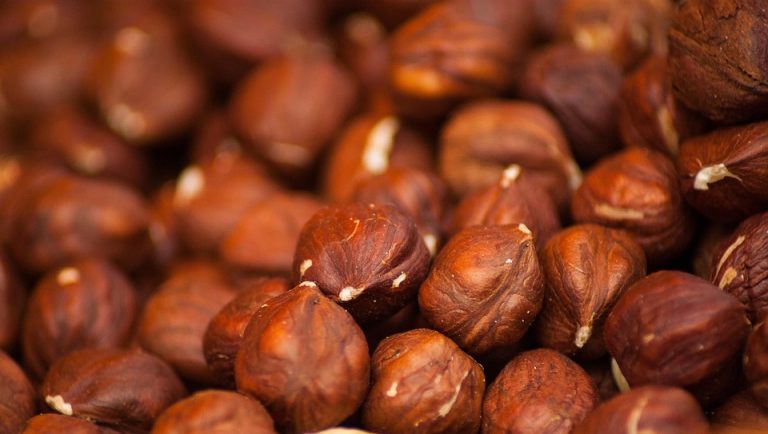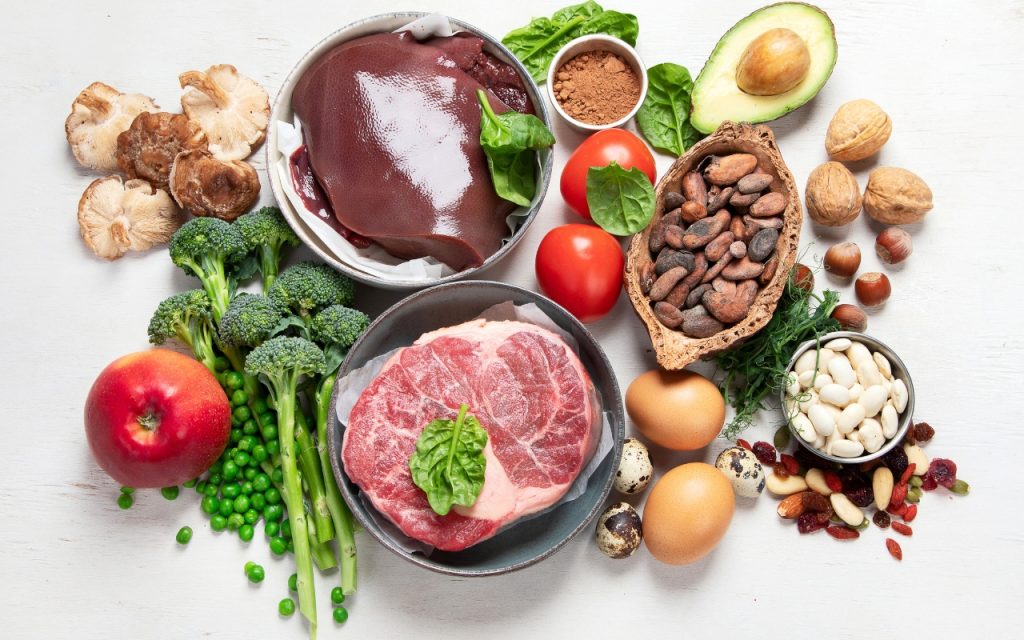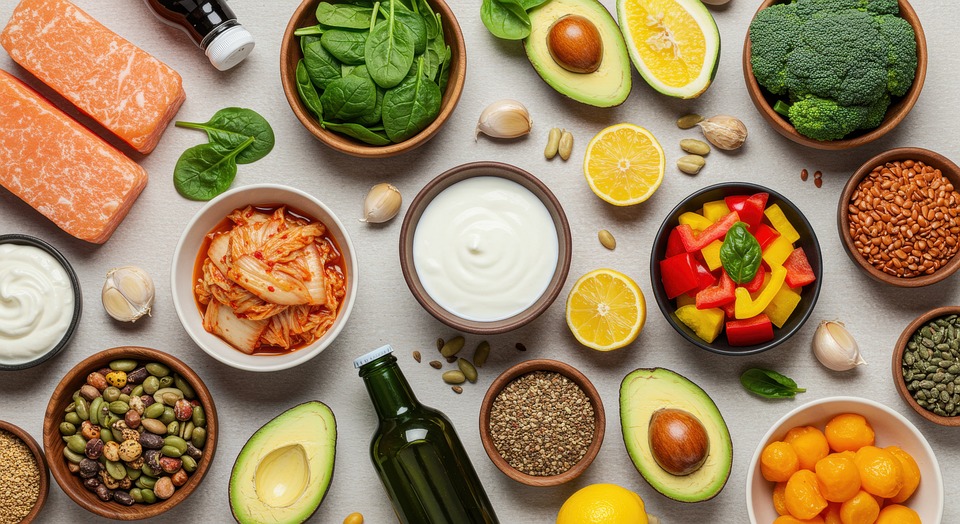


Dietary adjustments can sometimes feel like solving a complex puzzle, especially when unexpected physical reactions follow a seemingly healthy meal. For many individuals experiencing recurring bouts of unexplained bloating, sudden flushing, or persistent headaches after eating, the search for answers often leads to a less commonly discussed biochemical concept: histamine intolerance. Unlike a classic food allergy involving the immune system, histamine intolerance relates to the body’s ability—or temporary inability—to process specific biochemical compounds found naturally in various foods. Understanding how this substance interacts with your digestive tract and overall well-being can help you make informed decisions without resorting to overly restrictive or unbalanced diets. Understanding Histamine and How the Body Processes It Histamine is a naturally occurring chemical messenger belonging to a group of compounds called biogenic amines. It plays several vital physiological roles, including regulating gastric acid secretion, supporting neurotransmitter function, and acting as part of the local immune response. Inside the human body, histamine is primarily broken down by an enzyme called diamine oxidase (DAO), which is produced mainly in the lining of the small intestine. When the activity of the DAO enzyme is reduced—whether due to genetic factors, gastrointestinal inflammation, specific medications, or other physiological influences—the body may struggle to break down dietary histamine efficiently. When histamine accumulates beyond an individual's personal threshold, it can trigger a cascade of physical reactions that mimic allergic responses, even though the immune system is not directly involved. Recognizing Common Signs Associated with Histamine Accumulation Because histamine receptors are distributed widely …

When you hear the phrase "genetic risk," what usually comes to mind? For many people, it conjures up a deterministic image of destiny—the idea that our DNA is a rigid script that dictates every illness we will eventually develop. However, modern genetics tells a radically different and far more hopeful story. Instead of a crystal ball that predicts an unchangeable future, genetic risk functions more like a weather forecast: it highlights probabilities, identifies potential vulnerabilities, and gives you the opportunity to prepare. Understanding how genetic risk works is one of the most powerful tools you can add to your personal wellness toolkit. By bridging the gap between your inherited biology and your daily lifestyle choices, you can take proactive steps to protect your long-term health. The Fundamentals: What Is Genetic Risk? To understand genetic risk, we first need to look at how our bodies are built. Every human being carries a vast biological library known as the genome, written in a four-letter chemical alphabet (A, T, C, and G). This library contains approximately 20,000 genes, which serve as instruction manuals for building proteins—the molecules that carry out nearly every function in your body. Variations in the Code No two people (outside of identical twins) have the exact same DNA sequence. Throughout our genome, there are millions of tiny natural spelling differences known as genetic variants or polymorphisms. Most of these variants are completely harmless; they are simply the reason why some people have brown eyes while others have blue, or …
Dietary trends move quickly, often bringing specialized scientific terms into everyday grocery conversations. Recently, plant proteins known as lectins have gained considerable attention across wellness platforms and nutrition blogs. While some discussions portray these naturally occurring compounds strictly as troublemakers for the digestive tract, the reality is far more nuanced. Lectins are present in a vast array of wholesome, nutrient-dense foods that form the foundation of globally recognized healthy eating patterns. Understanding what these proteins are, how the human digestive system interacts with them, and why simple preparation methods change everything can help you make informed, balanced choices for your meals without unnecessary dietary fear. What Are Lectins and Why Do Plants Make Them? Lectins are a diverse group of carbohydrate-binding proteins found in almost all organisms, with plants being a particularly rich source. From an evolutionary perspective, plants cannot move to escape predators, so they have developed various chemical defense mechanisms to deter insects, fungi, and animals from consuming their seeds, grains, and leaves. In plant biology, lectins serve several purposes, including helping seeds survive the digestive tracts of animals so they can be dispersed elsewhere, and protecting developing plant tissues from microbial attack. Because these proteins bind tightly to specific sugar molecules, they can interact with cells lining the human digestive tract. When consumed in large amounts or in their raw, uncooked state, certain plant lectins can resist breakdown by digestive enzymes. This resilience is precisely why raw or improperly cooked legumes and grains can cause pronounced digestive …
Practical insights, expert guidance, and simple tips to help you make healthier food choices.
Discover the essential nutrients your body needs to support energy, growth, digestion, immunity, strong bones, …
A balanced plate can make healthy eating simpler. Learn how to combine vegetables, fruits, protein, …
Meta Title: Understanding Macronutrients: Your Guide to Balanced Nutrition Meta Description: Discover the science of …
SEO-Friendly Meta Description: Discover the fundamentals of evidence-based nutrition for The Health Care. Learn how …
The Health Care
rusted Health Information for a Healthier Life
Welcome to The Health Care, an online health and medical information platform created to make healthcare knowledge easier to understand and access.
Related posts
Better Health Starts With Better Information
From understanding symptoms to learning about prevention and healthy living, The Health Care provides accessible medical information to help you become more informed about your health.
Find useful insights, practical ideas, and easy-to-follow tips to build healthier habits into your daily routine.
The Internet is full of information on the topic of losing weight. …
In our relentless pursuit of wellness, we often equate progress with motion. …
Looking for simple ways to improve your health? Explore 15 practical health …
Struggling to get quality sleep? Discover 8 simple sleep tips that can …
Discover Better Ways to Live
Explore practical guidance, expert-backed insights, and everyday inspiration to support a healthier, more balanced life.
In today’s fast-paced world, the pursuit of wellness often feels overwhelming. Everywhere you look, new wellness trends promise quick fixes, miracle diets, and total life overhauls in just seven days. But true healthy living is not about drastic restrictions or exhausting routines. Instead, it is about building small, sustainable habits that nourish your body, calm your mind, and support your overall quality of life over the long run. Welcome to The Health Care. In this guide, we are cutting through the noise. We will explore the foundational pillars of healthy living and how you can integrate evidence-based practices into your daily routine without feeling overwhelmed. What Does Healthy Living Really Mean? At its core, healthy living is a proactive approach to life that focuses on prevention, balance, and self-care. It recognizes that physical health, mental wellness, and emotional stability are deeply interconnected. When you eat a nutritious meal, you aren't just fueling your muscles; you are also supporting your brain health. When you sleep well, you are giving your immune system the tools it needs to protect you. Rather than aiming for perfection, healthy living is about consistency. It is about making choices today that your future self will thank you for. The Core Pillars of Healthy Living To build a balanced lifestyle, it helps to break wellness down into manageable components. Let’s explore the core pillars that support a thriving, healthy life. 1. Nourishing Your Body with Whole Foods Nutrition is often the first thing people think of when …
In today’s fast-paced world, the concept of wellness often gets buried under an avalanche of conflicting advice. From extreme morning routines that start at 4:00 AM to expensive superfood powders and complicated fitness regimens, pursuing a healthier lifestyle can quickly feel overwhelming. However, true wellness does not require perfection or a complete life overhaul. At its core, wellness is an active, ongoing process of making choices toward a healthy and fulfilling life. It is about understanding that your physical, mental, and emotional health are deeply interconnected. Welcome to The Health Care guide on modern wellness. In this article, we will cut through the noise and explore practical, evidence-based strategies to help you cultivate sustainable habits that support your overall well-being. What Is Wellness, Really? Before diving into how to improve your health, it helps to define what wellness actually means. The World Health Organization (WHO) defines health not merely as the absence of disease, but as a state of complete physical, mental, and social well-being. Wellness builds on this definition. It is self-directed and evolving. When you focus on wellness, you look at the big picture rather than just fixing a single symptom or problem. To make this concept easier to apply, experts often break wellness down into several key dimensions: Physical Wellness: Caring for your body through proper nutrition, adequate rest, and regular movement. Mental and Emotional Wellness: Managing stress, building emotional resilience, and nurturing a positive self-image. Social Wellness: Building healthy, supportive relationships and feeling connected to a …
The Internet is full of information on the topic of losing weight. You’ve had more than one weight loss attempt. Do you want to understand what is right for you and remove those extra pounds?