

November 10, 2026

* Decoding Your Digestion: Signs Your Gut Needs Attention

For many people, the creamy richness of a morning latte or a comforting slice of aged cheddar brings pure culinary joy. However, if those pleasant moments are frequently followed by an unexpected wave of bloating, rumbling sounds, or digestive unease, you might begin to question how your body processes milk and dairy products. Understanding how the digestive system interacts with dairy requires looking beyond simple labels. Rather than viewing milk as a universal trigger, it helps to examine the specific biological mechanisms at play, the difference between a temporary digestive hiccup and a true medical condition, and how to maintain a varied, nourishing plate without unnecessary dietary restriction. The Science of Milk Sugar: Understanding Lactose Breakdown At the heart of most dairy-related digestive queries is a simple sugar called lactose. Found naturally in the milk of mammals—including cows, goats, and sheep—lactose is a disaccharide, meaning it consists of two smaller sugar molecules linked together: glucose and galactose. For your body to absorb these sugars, your small intestine must produce a specific enzyme known as lactase. Lactase acts like a specialized molecular key, unlocking the disaccharide so its component parts can pass through the intestinal wall into the bloodstream. As humans grow from infancy into adulthood, the natural production of lactase often declines. This biological shift varies widely across different global populations and genetic backgrounds. When lactase activity is reduced, unabsorbed lactose continues its journey through the digestive tract into the large intestine. In the colon, resident bacteria interact with the …


healthy digestion
November 10, 2026

The Science of Sleep: How Healthy Habits Rewire Your Brain and Body

Modern life moves at a relentless pace. Between professional demands, family responsibilities, and the constant digital hum of smartphones, our brains are rarely given permission to truly power down. Yet, when nighttime finally arrives, many of us expect our minds and bodies to instantly transition from high-gear productivity to profound, restorative sleep. When that abrupt shift fails—leading to tossing, turning, and staring at the ceiling—we often blame our mattresses, our room temperature, or a late-night cup of coffee. Frequently, however, the missing link isn’t what we do in bed, but how we spend the ninety minutes before we get there. Designing an intentional evening routine is one of the most powerful lifestyle choices you can make for your cognitive function, emotional resilience, and long-term health. Let’s explore how to bridge the gap between a stressful day and a deeply rejuvenating night. Why the "In-Between" Hours Matter Biological sleep medicine teaches us that sleep is not a light switch; it is a gradual descent. Throughout the day, your body accumulates a chemical called adenosine, which builds sleep pressure. Simultaneously, your circadian rhythm regulates your core body temperature and hormone production—specifically tapering off cortisol (the stress hormone) and ramping up melatonin (the sleep hormone). If you slam on the biological brakes by jumping straight from answering work emails into total darkness, your nervous system remains stuck in a sympathetic ("fight-or-flight") state. An effective evening routine acts as a deliberate runway, signaling to your brain that the day is safely behind you and …

healthy sleep habits
November 10, 2026

How to Build the Ultimate Balanced Plate Every Single Time

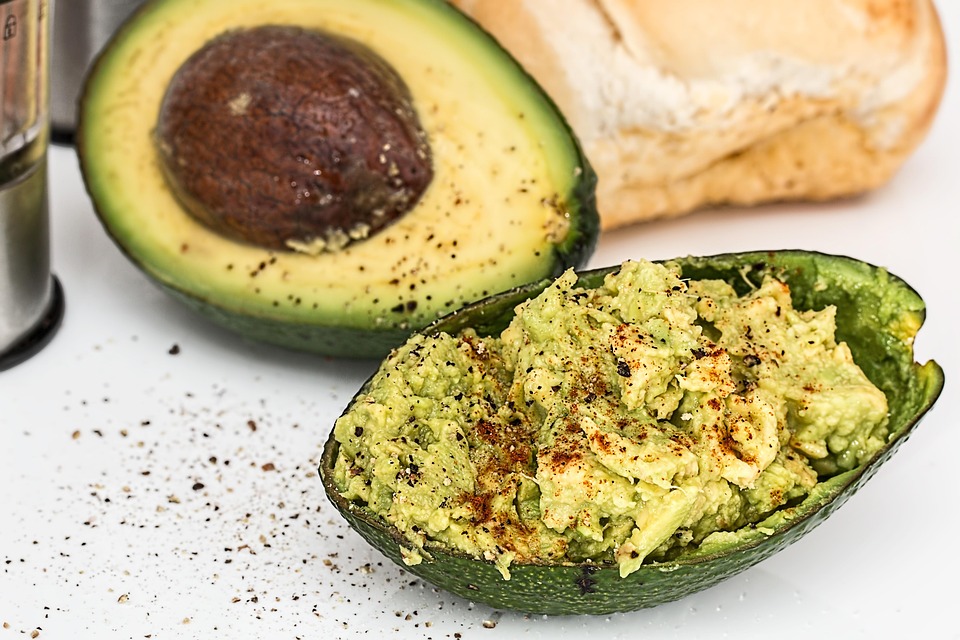
Few kitchen staples bridge the gap between comforting flavor and robust nutrition quite like the sweet potato. With their vibrant orange flesh, natural sweetness, and remarkable versatility, these tubers have earned a permanent spot on grocery lists worldwide. However, maximizing their culinary and health potential goes beyond simply tossing them into the oven. Understanding how to choose the right varieties, store them properly, and apply smart cooking techniques can completely transform your weekly menu. Whether you are looking to elevate your meal prep routine or simply curious about how to make these nutrient-dense roots shine on your plate, a thoughtful approach to sweet potatoes makes all the difference. Decoding Varieties: Beyond the Standard Orange Tuber When most shoppers think of sweet potatoes, they picture the deep copper-skinned variety with bright orange flesh. Yet, the botanical family of sweet potatoes is surprisingly diverse, offering a range of textures, starch levels, and flavor profiles that suit different cooking applications. The Classic Jewel and Garnet These varieties are characterized by their moist, tender flesh and high sugar content. When roasted, their natural starches caramelize, creating a rich, custard-like interior. They are exceptionally well-suited for traditional baking, mashing, or blending into velvety soups. The Firm White and Japanese Sweet Potatoes Featuring lighter skin—ranging from pale tan to purple—these types generally contain less moisture and higher starch content, yielding a firmer, fluffier texture akin to a standard baking potato when cooked. Japanese sweet potatoes, distinguished by their reddish-purple skin and creamy white interior, offer a …

nutrition tips
Nutrition & Healthy Eating

Practical insights, expert guidance, and simple tips to help you make healthier food choices.

The Health Care
rusted Health Information for a Healthier Life

Welcome to The Health Care, an online health and medical information platform created to make healthcare knowledge easier to understand and access.

The Health Care

Better Health Starts With Better Information

From understanding symptoms to learning about prevention and healthy living, The Health Care provides accessible medical information to help you become more informed about your health.

Everyday advice & health tips

Find useful insights, practical ideas, and easy-to-follow tips to build healthier habits into your daily routine.

home
Discover Better Ways to Live
Healthy habits and wellness insights

Explore practical guidance, expert-backed insights, and everyday inspiration to support a healthier, more balanced life.

wellness
Rated 5 out of 5
What Happens to Your Body When You Spend 15 Minutes in Nature Every Day

In today’s fast-paced world, the pursuit of health often feels like a full-time job. Between managing career demands, family responsibilities, and the endless stream of digital information, it is easy to feel overwhelmed. Everywhere you look, new fitness trends, restrictive diets, and miracle supplements promise instant transformations. However, true wellness is not about drastic overhauls or chasing perfection. Instead, it is a dynamic, lifelong journey of making intentional choices that support your physical, mental, and emotional health. Welcome to The Health Care guide on redefining wellness. In this article, we will explore what sustainable wellness actually looks like, how to build healthy habits that stick, and why small, everyday changes yield the most profound long-term results. Understanding True Wellness For generations, society measured health primarily by the absence of disease. If your lab results came back normal, you were considered "healthy." Today, however, health professionals view wellness through a much broader lens. Wellness is an active process of becoming aware of and making choices toward a healthy and fulfilling life. It is multidimensional, encompassing several interconnected areas: Physical Wellness: Nourishing your body through balanced nutrition, regular movement, and adequate rest. Mental and Emotional Wellness: Managing stress, cultivating emotional resilience, and maintaining a positive mindset. Social Wellness: Building meaningful relationships and fostering a strong sense of community and support. Environmental Wellness: Creating living and working spaces that promote safety, comfort, and peace. When one area of your life is neglected, the others often feel the strain. For example, chronic stress (mental) …

healthy habits
Rated 5 out of 5
How to Break Bad Habits and Replace Them with Good Ones

In today’s fast-paced world, the pursuit of wellness often feels like chasing a moving target. Everywhere we look, we are bombarded with conflicting advice: drink a gallon of water, eliminate entire food groups, wake up at 5:00 AM, or try the latest high-intensity fitness trend. It is easy to feel overwhelmed, leading many of us to abandon our wellness goals before they even truly begin. At The Health Care, we believe true wellness does not come from extreme overhauls or overnight transformations. Instead, it is built through the quiet, consistent power of healthy habits. Understanding how to form and maintain these routines is the cornerstone of long-term vitality. Rather than striving for perfection, sustainable health is about making small, incremental changes that seamlessly integrate into your daily life. Let’s explore the science of habit formation and practical ways to cultivate a healthier lifestyle without the burnout. The Psychology of Habit Formation To build lasting healthy habits, we first need to understand how the human brain creates routines. According to psychological research, habits are formed through a neurological loop consisting of three parts: a cue, a routine, and a reward. The Cue: A trigger that initiates the behavior (e.g., your alarm clock ringing). The Routine: The actual behavior or action you perform (e.g., lacing up your running shoes). The Reward: The positive reinforcement your brain receives, which solidifies the habit (e.g., the endorphin boost or a sense of accomplishment). When you try to change too many things at once, you overload …

wellness
Rated 5 out of 5
The Wellness Trends Worth Your Time (And the Ones to Skip)

In today’s fast-paced world, the pursuit of health often feels like a full-time job. Between managing career demands, family responsibilities, and the endless stream of digital notifications, it is easy to feel overwhelmed. Many of us wait until we are completely burnt out before paying attention to our personal well-being. However, true wellness is not about drastic lifestyle overhauls or achieving perfection. Instead, it is a continuous, dynamic journey of making small, intentional choices that support your mind, body, and spirit. Welcome to The Health Care. In this guide, we will explore what wellness truly means in the modern era, break down its core pillars, and provide practical, evidence-based strategies to help you cultivate a more balanced, fulfilling life. What is Wellness? Before diving into daily habits, it helps to define the term itself. Many people use the words "health" and "wellness" interchangeably, but there is a distinct difference. Health is generally viewed as a state of being—the absence of disease or illness. Wellness, on the other hand, is an active process of becoming aware of and making choices toward a healthy and fulfilling existence. According to the World Health Organization (WHO), health is "a state of complete physical, mental, and social well-being and not merely the absence of disease or infirmity." Therefore, pursuing wellness means looking at the big picture. It acknowledges that physical fitness is only one piece of the puzzle. Emotional stability, mental clarity, social connection, and environmental harmony all play vital roles in how you feel …

Newsletter Signup

Be the first to get our latest tips