

Have you ever wondered why one person can drink three cups of coffee and fall right asleep, while another experiences a racing heart from a single sip of decaf? Or why certain individuals seem immune to seasonal bugs that sweep through an entire office, whereas others catch every passing cold? While lifestyle, sleep, and nutrition play massive roles in how we feel day to day, the foundational blueprint of our biology also holds significant sway. That blueprint is driven by genetic variation. Far from making us drastically different species, the tiny typographical differences in our DNA spell out the subtle nuances of how our bodies process food, metabolize medications, handle stress, and resist disease. For anyone looking to take a more personalized approach to their wellness, understanding genetic variation is the first step toward decoding how your body naturally operates. What is Genetic Variation? (The Basics) To understand genetic variation, it helps to look at the big picture. Every human being shares roughly 99.9% of their DNA sequence with every other human on the planet. That remaining 0.1%, however, accounts for all the incredible diversity we see in the human race—from eye color and height to how efficiently our cells produce energy. The Typographical Analogy of DNA Think of your genome as a massive, 3-billion-letter instruction manual for building and maintaining your body. This manual is written using just four chemical "letters": A, T, C, and G. Genetic variation occurs when there are spelling differences in this manual from one …
We have all experienced acute stress—that sudden spike of adrenaline when you narrowly avoid a fender-bender or have to deliver an unexpected presentation. In those moments, your body gears up for "fight or flight," your heart races, and once the threat passes, your nervous system naturally resets. However, modern life often presents a different challenge entirely: chronic stress. When your mind and body remain trapped in a prolonged state of high alert due to relentless work pressures, financial anxiety, or constant digital connectivity, the physical toll begins to compound. Understanding how to recognize this invisible wear-and-tear is the first step toward reclaiming your long-term health and well-being. What Happens Inside Your Body Under Prolonged Stress? Unlike short-term tension, chronic stress keeps your hypothalamic-pituitary-adrenal (HPA) axis humming at a high frequency. This leads to an overproduction of cortisol and adrenaline over weeks, months, or even years. While these hormones are vital for survival in small doses, keeping them constantly elevated can create systemic friction within your body: Immune System Suppression: Long-term cortisol elevation dampens your immune response, making you more susceptible to frequent colds and slower wound healing. Digestive Disruption: The gut-brain axis takes a heavy hit. Chronic tension frequently manifests as bloating, sluggish digestion, or exacerbated inflammatory bowel issues. Cardiovascular Strain: Sustained high blood pressure and elevated heart rates put continuous pressure on your arteries and heart muscle. Subtle Signs You Might Be Normalized to Stress Many people wear high stress levels like a badge of honor, eventually assuming that …
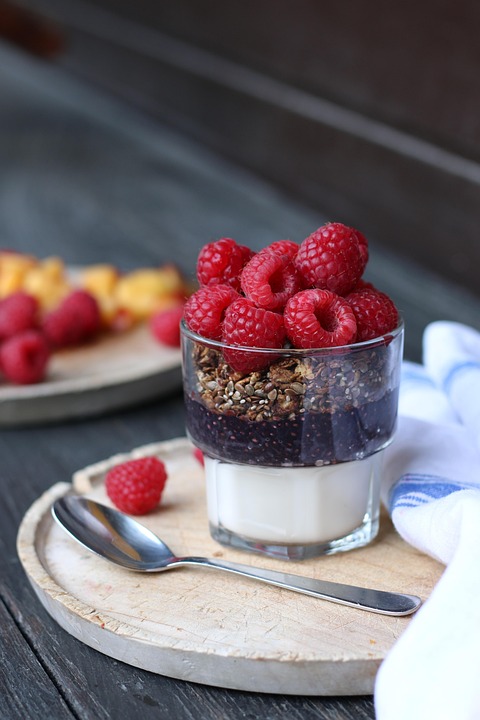
Meta Description: Discover how to seamlessly integrate chia seeds into your daily diet. Explore practical prep techniques, smart flavor pairings, and realistic portion guidance. For decades, tiny pantry staples have quietly sat in the back of spice racks or baking drawers, overlooked until a wellness trend brings them into the spotlight. Among these, chia seeds stand out not for a fleeting moment of social media fame, but for their remarkable ability to transform texture, elevate culinary creations, and quietly boost the nutrient density of everyday meals. Yet, owning a bag of chia seeds and actually knowing how to work them into a sustainable routine are two different things. Many people purchase a package with the best intentions, only to let it sit because they are unsure of how to prep them beyond a basic pudding. Unlocking the full potential of chia seeds is less about following rigid culinary rules and more about understanding how they behave in the kitchen. By looking at how these power-packed seeds interact with liquids, absorb flavors, and enhance common dishes, you can turn a simple pantry item into an effortless staple for vibrant, wholesome eating. Decoding the Physical Properties of Chia Seeds Before tossing chia seeds into your morning routine, it helps to understand what makes them tick—or rather, what makes them gel. When dry chia seeds come into contact with water, milk, or juice, they undergo a fascinating transformation. Each seed is coated in soluble fiber that rapidly expands, forming a mucilaginous outer layer. …
Practical insights, expert guidance, and simple tips to help you make healthier food choices.
Navigating the grocery store aisles can sometimes feel like a high-stakes puzzle, especially when your …
Meta Description: Discover how to pick, store, and prepare sweet potatoes like a pro. Learn …
Meta Description: Discover how to seamlessly integrate chia seeds into your daily diet. Explore practical …
The Health Care
rusted Health Information for a Healthier Life
Welcome to The Health Care, an online health and medical information platform created to make healthcare knowledge easier to understand and access.
Related posts
Better Health Starts With Better Information
From understanding symptoms to learning about prevention and healthy living, The Health Care provides accessible medical information to help you become more informed about your health.
Find useful insights, practical ideas, and easy-to-follow tips to build healthier habits into your daily routine.
The Internet is full of information on the topic of losing weight. …
We have all experienced acute stress—that sudden spike of adrenaline when you …
Looking for simple ways to improve your health? Explore 15 practical health …
Struggling to get quality sleep? Discover 8 simple sleep tips that can …
Discover Better Ways to Live
Explore practical guidance, expert-backed insights, and everyday inspiration to support a healthier, more balanced life.
In today’s fast-paced world, the pursuit of health often feels like a full-time job. Between managing career demands, family responsibilities, and the endless stream of digital information, it is easy to feel overwhelmed. Everywhere you look, new fitness trends, restrictive diets, and miracle supplements promise instant transformations. However, true wellness is not about drastic overhauls or chasing perfection. Instead, it is a dynamic, lifelong journey of making intentional choices that support your physical, mental, and emotional health. Welcome to The Health Care guide on redefining wellness. In this article, we will explore what sustainable wellness actually looks like, how to build healthy habits that stick, and why small, everyday changes yield the most profound long-term results. Understanding True Wellness For generations, society measured health primarily by the absence of disease. If your lab results came back normal, you were considered "healthy." Today, however, health professionals view wellness through a much broader lens. Wellness is an active process of becoming aware of and making choices toward a healthy and fulfilling life. It is multidimensional, encompassing several interconnected areas: Physical Wellness: Nourishing your body through balanced nutrition, regular movement, and adequate rest. Mental and Emotional Wellness: Managing stress, cultivating emotional resilience, and maintaining a positive mindset. Social Wellness: Building meaningful relationships and fostering a strong sense of community and support. Environmental Wellness: Creating living and working spaces that promote safety, comfort, and peace. When one area of your life is neglected, the others often feel the strain. For example, chronic stress (mental) …
In today’s fast-paced world, the pursuit of wellness often feels like chasing a moving target. Everywhere we look, we are bombarded with conflicting advice: drink a gallon of water, eliminate entire food groups, wake up at 5:00 AM, or try the latest high-intensity fitness trend. It is easy to feel overwhelmed, leading many of us to abandon our wellness goals before they even truly begin. At The Health Care, we believe true wellness does not come from extreme overhauls or overnight transformations. Instead, it is built through the quiet, consistent power of healthy habits. Understanding how to form and maintain these routines is the cornerstone of long-term vitality. Rather than striving for perfection, sustainable health is about making small, incremental changes that seamlessly integrate into your daily life. Let’s explore the science of habit formation and practical ways to cultivate a healthier lifestyle without the burnout. The Psychology of Habit Formation To build lasting healthy habits, we first need to understand how the human brain creates routines. According to psychological research, habits are formed through a neurological loop consisting of three parts: a cue, a routine, and a reward. The Cue: A trigger that initiates the behavior (e.g., your alarm clock ringing). The Routine: The actual behavior or action you perform (e.g., lacing up your running shoes). The Reward: The positive reinforcement your brain receives, which solidifies the habit (e.g., the endorphin boost or a sense of accomplishment). When you try to change too many things at once, you overload …
In today’s fast-paced world, the pursuit of health often feels like a full-time job. Between managing career demands, family responsibilities, and the endless stream of digital notifications, it is easy to feel overwhelmed. Many of us wait until we are completely burnt out before paying attention to our personal well-being. However, true wellness is not about drastic lifestyle overhauls or achieving perfection. Instead, it is a continuous, dynamic journey of making small, intentional choices that support your mind, body, and spirit. Welcome to The Health Care. In this guide, we will explore what wellness truly means in the modern era, break down its core pillars, and provide practical, evidence-based strategies to help you cultivate a more balanced, fulfilling life. What is Wellness? Before diving into daily habits, it helps to define the term itself. Many people use the words "health" and "wellness" interchangeably, but there is a distinct difference. Health is generally viewed as a state of being—the absence of disease or illness. Wellness, on the other hand, is an active process of becoming aware of and making choices toward a healthy and fulfilling existence. According to the World Health Organization (WHO), health is "a state of complete physical, mental, and social well-being and not merely the absence of disease or infirmity." Therefore, pursuing wellness means looking at the big picture. It acknowledges that physical fitness is only one piece of the puzzle. Emotional stability, mental clarity, social connection, and environmental harmony all play vital roles in how you feel …
- « Previous
- 1
- …
- 3
- …
- 8
- More CoursesLoading...