

Meta Description: Discover how to seamlessly integrate chia seeds into your daily diet. Explore practical prep techniques, smart flavor pairings, and realistic portion guidance. For decades, tiny pantry staples have quietly sat in the back of spice racks or baking drawers, overlooked until a wellness trend brings them into the spotlight. Among these, chia seeds stand out not for a fleeting moment of social media fame, but for their remarkable ability to transform texture, elevate culinary creations, and quietly boost the nutrient density of everyday meals. Yet, owning a bag of chia seeds and actually knowing how to work them into a sustainable routine are two different things. Many people purchase a package with the best intentions, only to let it sit because they are unsure of how to prep them beyond a basic pudding. Unlocking the full potential of chia seeds is less about following rigid culinary rules and more about understanding how they behave in the kitchen. By looking at how these power-packed seeds interact with liquids, absorb flavors, and enhance common dishes, you can turn a simple pantry item into an effortless staple for vibrant, wholesome eating. Decoding the Physical Properties of Chia Seeds Before tossing chia seeds into your morning routine, it helps to understand what makes them tick—or rather, what makes them gel. When dry chia seeds come into contact with water, milk, or juice, they undergo a fascinating transformation. Each seed is coated in soluble fiber that rapidly expands, forming a mucilaginous outer layer. …
Meta Description: Discover how to seamlessly integrate chia seeds into your daily diet. Explore practical prep techniques, smart flavor pairings, and realistic portion guidance.
For decades, tiny pantry staples have quietly sat in the back of spice racks or baking drawers, overlooked until a wellness trend brings them into the spotlight. Among these, chia seeds stand out not for a fleeting moment of social media fame, but for their remarkable ability to transform texture, elevate culinary creations, and quietly boost the nutrient density of everyday meals.
Yet, owning a bag of chia seeds and actually knowing how to work them into a sustainable routine are two different things. Many people purchase a package with the best intentions, only to let it sit because they are unsure of how to prep them beyond a basic pudding.
Unlocking the full potential of chia seeds is less about following rigid culinary rules and more about understanding how they behave in the kitchen. By looking at how these power-packed seeds interact with liquids, absorb flavors, and enhance common dishes, you can turn a simple pantry item into an effortless staple for vibrant, wholesome eating.
Decoding the Physical Properties of Chia Seeds
Before tossing chia seeds into your morning routine, it helps to understand what makes them tick—or rather, what makes them gel. When dry chia seeds come into contact with water, milk, or juice, they undergo a fascinating transformation. Each seed is coated in soluble fiber that rapidly expands, forming a mucilaginous outer layer. This hydrocolloid action is the secret behind their unique texture.
This structural quirk changes how foods feel in your mouth and how your digestive tract processes them. Because that outer layer swells significantly, dry chia seeds can absorb up to twelve times their weight in liquid.
- Dry vs. Hydrated: Eating them completely dry can sometimes cause them to absorb moisture from your mouth or throat uncomfortably. Hydrating them beforehand—even for just five minutes—makes them much easier to enjoy and allows your body to process them more smoothly.
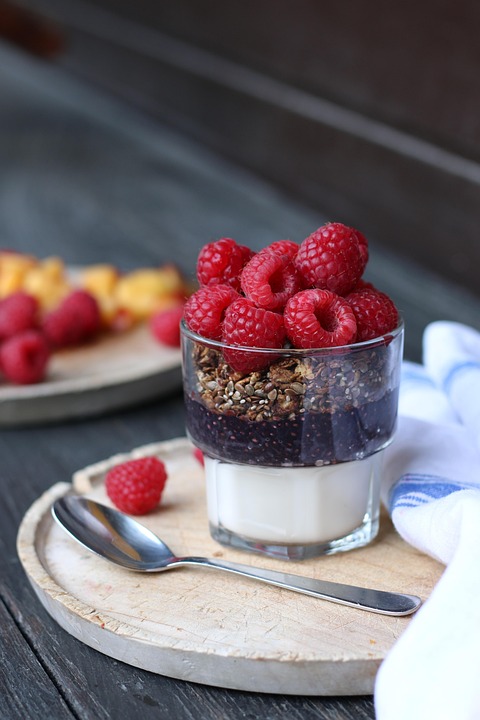
- The Crunch Factor: If you prefer a bit of texture, sprinkling raw seeds over a dense food like yogurt or a thick smoothie bowl provides a pleasant poppy crunch without the gelatinous coating taking over.
Smart Integration Strategies for Busy Schedules
Healthy eating habits stick around only when they demand minimal friction. If prepping your meals feels like a complicated science experiment, you are far less likely to keep it up. Chia seeds shine precisely because they require virtually zero cooking.
The Morning Routine Upgrade
Mornings are rarely calm, which makes speed a priority. Instead of waiting for a complex breakfast to cook, you can set up your food the night before.
- Quick-Set Overnight Oats: Combine rolled oats, your preferred milk, a splash of vanilla, and a tablespoon of chia seeds in a mason jar before going to sleep. By morning, the seeds will have soaked up the excess liquid, turning a runny oat mixture into a rich, spoonable consistency that requires zero morning effort.
- Instant Smoothie Thickeners: If your morning fruit blend always ends up watery, drop a teaspoon of seeds straight into the blender blades before pulsing. They act as a natural stabilizer, giving your drink a velvety body without altering the flavor profile.
Midday and Evening Enhancements
You do not have to limit these seeds to breakfast. Their neutral, slightly nutty flavor profile means they blend seamlessly into savory and sweet landscapes alike.
- Salad Dressings and Vinaigrettes: Whisking a half-teaspoon of seeds into an olive oil and lemon dressing adds visual speckles and helps emulsify the liquid, keeping the oil and acid from separating too quickly on your greens.
- Textural Boost for Soups and Stews: Stirring a small spoonful into a simmering pot of lentil soup or vegetable stew in the final minutes of cooking can subtly thicken the broth without the need for heavy cream or refined flour.
Flavor Pairings and Culinary Companions
Because chia seeds have a remarkably mild taste, they act as a culinary chameleon, absorbing whatever flavors surround them. However, pairing them with the right ingredients elevates both the taste and the overall satisfaction of your meal.
| Pairing Category | Ideal Ingredients | Why It Works |
|---|---|---|
| Creamy & Rich | Coconut milk, Greek yogurt, almond butter | The fats balance the neutral seeds, creating a luxurious mouthfeel. |
| Bright & Tart | Raspberries, lemon zest, passion fruit | Sharp, acidic flavors cut through the dense texture, keeping the dish lively. |
| Warm & Earthy | Cinnamon, cardamom, roasted pecans | Spices bring out the subtle nuttiness inherent in the seed coat. |
When building a dish, think about contrast. If your base is very soft and gelatinous—like a classic vanilla seed gel—always top it with something crisp, such as toasted cacao nibs, fresh sliced strawberries, or pumpkin seeds. This interplay of textures keeps your palate engaged.
Navigating Portions and Daily Integration
When introducing any fiber-rich food into your daily rhythm, moderation is your best ally. Because chia seeds pack a serious punch of both soluble and insoluble fiber, flooding your system with large amounts overnight can catch your digestive tract off guard.
- Start Small: Begin with a single teaspoon per day. Let your body adjust over the course of a week before moving up to a standard tablespoon serving.
- Hydration is Key: Because these seeds love to absorb water, make sure you are drinking adequate fluids throughout the day. Water helps the fiber move smoothly through your digestive system.
- Consistency Over Quantity: Eating two tablespoons once a week is far less effective than incorporating a small teaspoon consistently across your weekly meals. Think of them as a nutritional seasoning rather than the main event.
Frequently Asked Questions
Do chia seeds need to be ground up before eating, like flax seeds?
Unlike flax seeds, which have a hard outer shell that the human body cannot easily break down unless milled, chia seeds do not strictly need to be ground. Their outer layers are permeable enough to be processed, and they naturally soften when exposed to liquids. However, grinding them won’t hurt if you prefer a smoother texture in baked goods.
Can I cook or bake with chia seeds, or does heat destroy their nutrition?
You can safely bake with them! Chia seeds are remarkably stable when exposed to moderate heat. They hold up well in homemade whole-grain bread, muffins, pancakes, and energy bars without losing their structural integrity or beneficial profile.
What is the best way to store a large bag of chia seeds to keep them fresh?
Because chia seeds contain healthy oils, they should be kept in a cool, dark, and dry place. An airtight glass jar or container in your pantry works wonderfully. If you live in a very warm or humid climate, storing them in the refrigerator can help extend their shelf life and prevent the oils from going stale.
Can I use chia seeds as a direct egg substitute in baking?
Yes, you can create what is often called a “chia egg.” Mix one tablespoon of finely ground or whole chia seeds with three tablespoons of water, stir well, and let it sit for about five to ten minutes until it forms a thick, gelatinous clump. This mixture can replace one egg in many vegan baking recipes, such as quick breads, cookies, and pancakes.
Is it normal for chia seeds to stick to my teeth?
Absolutely. Because of their gummy outer mucilage, they have a tendency to cling to dental surfaces. Having a glass of water nearby or brushing your teeth after a chia-heavy meal easily resolves this minor quirk.
How long does prepared chia pudding last in the refrigerator?
Once mixed with milk or a liquid of your choice, chia pudding will typically keep well in a sealed container in the refrigerator for up to four to five days. It makes a fantastic option for batch-prepping quick weekday breakfasts ahead of time.
Disclaimer: Nutritional needs vary greatly from person to person. The information provided here is for general educational purposes and should not replace professional medical advice, personalized dietary counseling, or treatment for specific health conditions. Individuals with underlying medical concerns, allergies, or specific dietary restrictions should consult a qualified healthcare professional before making major changes to their routine.