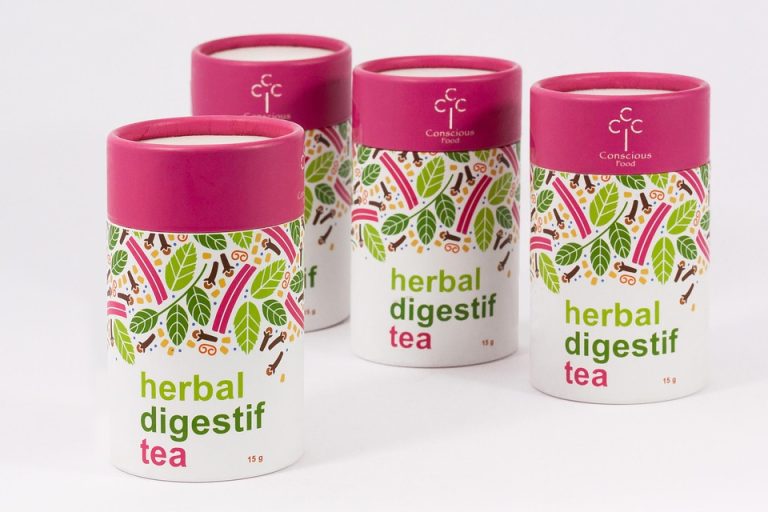


SEO Meta Description: Discover what fructose malabsorption means for your digestive health. Learn about common food triggers, symptom patterns, and balanced dietary strategies for everyday comfort. The way our bodies break down and absorb the natural sugars found in fruits, vegetables, and sweeteners is a complex chemical process. For some individuals, however, that internal processing hits a speed bump. When the small intestine struggles to efficiently absorb fructose—a simple sugar naturally present in many plant-based foods—it travels further down the digestive tract than intended. This process can lead to a cascade of unexpected belly rumbles, gas, and discomfort. Understanding how your body handles certain types of carbohydrates can bring clarity to persistent digestive quirks. Rather than viewing nutrition through a lens of strict restriction, exploring how fructose behaves in the digestive system helps foster a balanced relationship with the foods you eat every day. What Happens When Fructose Goes Unabsorbed? To understand fructose malabsorption, it helps to look at how normal digestion works. When you eat an apple, a slice of watermelon, or a meal sweetened with high-fructose corn syrup, specialized transport proteins in the small intestine—specifically a transporter known as GLUT5—are tasked with moving fructose molecules through the intestinal wall and into the bloodstream. In people with malabsorption, these transport mechanisms are either less active or easily overwhelmed. Because the small intestine cannot absorb all the available fructose, the excess sugar molecules continue their journey into the large intestine. Once in the colon, resident bacteria do what they do …

We live in a world that often loves a neat binary: nature versus nurture. Is your athletic stamina inherited from your parents, or is it built through endless hours of training? Is your risk for chronic illness written immutably into your DNA, or is it purely a consequence of your diet and stress levels? For decades, scientists debated these questions as if humans were either biological robots programmed entirely by genetics or blank slates shaped exclusively by our surroundings. Today, modern genetics tells a vastly more fascinating and empowering story. The reality is not a tug-of-war between nature and nurture, but an intricate, lifelong dance between the two. This phenomenon is known as gene-environment interaction. Understanding how your DNA talks to your environment—and how your environment can turn genes "on" or "off"—is one of the most powerful paradigm shifts in everyday health literacy. Whether you are looking to optimize your wellness, understand your family health history, or simply make sense of modern genetic testing, exploring gene-environment interaction unlocks a whole new way of looking at your body. The Blueprint and the Builder: A Fresh Analogy To understand gene-environment interaction without needing a Ph.D. in molecular biology, let’s leave the laboratory and look at architecture. Imagine your DNA is a massive, multi-volume set of architectural blueprints for a sprawling corporate headquarters. Every gene is a specific page detailing how to build a certain room, install electrical wiring, or set up the plumbing. You inherit this entire architectural library from your parents …
The laptop lid snaps shut, but your mind is still drafting emails. You walk through your front door, yet mentally, you are still troubleshooting a crisis from three hours ago. If this modern ritual sounds familiar, you are caught in the "work-to-home blur"—a state where the boundaries of professional stress bleed relentlessly into your personal life, robbing you of genuine rest. At The Health Care, we often talk about sleep, nutrition, and exercise as the foundational pillars of wellbeing. However, there is a missing link in our daily health equation: the transition ritual. Without a deliberate bridge between occupational demands and domestic peace, our nervous systems remain trapped in a low-grade fight-or-flight response. Let’s explore why this psychological decompression matters and how you can craft a personalized evening transition to protect your mental health and reclaim your evenings. Why Your Brain Desperately Needs a "Commute" For generations, physical commutes—whether a crowded train ride, a bus trip, or a drive down the highway—served an unintended biological purpose. They gave the brain time to process, metabolize, and file away the events of the workday. As remote work and flexible schedules blur these geographic lines, we have lost this mandatory decompression buffer. We now pivot from closing a spreadsheet to asking, "What’s for dinner?" in a span of forty seconds. Neurologically speaking, this abrupt shift causes cognitive fatigue. Your prefrontal cortex stays engaged, flooding your system with cortisol and adrenaline long after your workday has officially concluded. Over time, chronic failure to decompress …
Practical insights, expert guidance, and simple tips to help you make healthier food choices.
Meta Description: Discover how to select, inspect, and store fresh vegetables to maximize flavor, reduce …
Meta Description: Explore the nutrition, culinary varieties, and practical preparation methods of sweet potatoes to …
Busy schedules often stand between good intentions and actual healthy eating. When hunger strikes after …
The Health Care
rusted Health Information for a Healthier Life
Welcome to The Health Care, an online health and medical information platform created to make healthcare knowledge easier to understand and access.
Related posts
Better Health Starts With Better Information
From understanding symptoms to learning about prevention and healthy living, The Health Care provides accessible medical information to help you become more informed about your health.
Find useful insights, practical ideas, and easy-to-follow tips to build healthier habits into your daily routine.
The Internet is full of information on the topic of losing weight. …
The laptop lid snaps shut, but your mind is still drafting emails. …
Looking for simple ways to improve your health? Explore 15 practical health …
Struggling to get quality sleep? Discover 8 simple sleep tips that can …
Discover Better Ways to Live
Explore practical guidance, expert-backed insights, and everyday inspiration to support a healthier, more balanced life.
In today’s fast-paced world, the pursuit of better health often feels like an overwhelming juggling act. Between chasing career goals, managing family responsibilities, and staying connected through digital devices, it is easy to put your personal well-being on the back burner. Many people try to overhaul their routines overnight—joining high-intensity gyms, cutting out entire food groups, or waking up an hour earlier—only to experience burnout within a few weeks. True wellness is not about drastic, short-term fixes or rigid rules. Instead, it is a dynamic, lifelong journey of making intentional choices that support a balanced and fulfilling life. When approached correctly, wellness integrates physical vitality, mental clarity, and emotional resilience into a seamless daily rhythm. Welcome to your comprehensive guide brought to you by The Health Care. In this article, we will explore what wellness truly means, examine its foundational pillars, and provide actionable, evidence-based strategies to help you cultivate lasting health without the stress. What is Wellness? Beyond the Absence of Disease For generations, healthcare focused primarily on the treatment of illness. If you were not actively sick, you were considered healthy. Today, modern science recognizes a much broader definition of health—one where the absence of sickness is just the starting line. Wellness is an active process of becoming aware of and making choices toward a healthy and fulfilling existence. It encompasses how you nourish your body, how you process stress, how you sleep, and how you connect with the world around you. Importantly, wellness is deeply personal. What …
In today’s fast-paced world, the concept of healthy living often feels like a moving target. Everywhere we look, social media feeds and wellness magazines push conflicting advice. One day, a specific superfood is the secret to longevity; the next day, a grueling new workout routine is branded as essential. It is easy to feel overwhelmed, leading many of us to abandon our wellness goals before they even begin. However, true healthy living does not require drastic lifestyle overhauls, expensive supplements, or restrictive diets. Instead, it is built on the foundation of small, sustainable daily habits. When you focus on consistency rather than perfection, wellness becomes a natural extension of your daily routine rather than a chore. Welcome to your practical guide from The Health Care. In this article, we will break down the core pillars of healthy living, offering evidence-based strategies to help you feel your best, boost your energy, and cultivate long-term vitality. What Does Healthy Living Actually Mean? At its core, healthy living is a holistic approach to life that optimizes your physical, mental, and emotional well-being. It is not merely the absence of illness; it is an active state of thriving. Many people make the mistake of viewing wellness through a single lens, such as hitting the gym every day or eating only salads. True well-being requires balance. Your body and mind are deeply connected; what affects one inevitably impacts the other. By nurturing multiple areas of your life, you build a resilient foundation that can withstand …
In today’s fast-paced world, the pursuit of better health often feels overwhelming. Everywhere we look, a new wellness trend promises overnight transformations, extreme diets, or miracle routines. Yet, lasting vitality is rarely built on drastic, short-term changes. Instead, true well-being is the quiet result of small, consistent actions repeated day after day. Welcome to The Health Care, where we believe that taking charge of your health should be empowering, accessible, and grounded in reality. Developing healthy habits does not require overhauling your entire life by tomorrow morning. Rather, it is about making mindful choices that nourish your mind, body, and spirit over the long haul. Let’s explore evidence-based strategies to help you build a sustainable routine that supports your overall wellness. What Are Healthy Habits and Why Do They Matter? At its core, a habit is a routine behavior that is repeated regularly and tends to occur subconsciously. When applied to our daily lives, healthy habits act as the scaffolding for a balanced lifestyle. Behavioral science shows that our daily choices compound over time. Just as small financial savings accumulate into a secure nest egg, daily wellness practices add up to create physical resilience, mental clarity, and emotional stability. The Compound Effect of Daily Choices Many people make the mistake of waiting for motivation to strike before making positive changes. However, motivation is fleeting. Systems and routines, on the other hand, keep us moving forward even on days when we feel tired or uninspired. By focusing on small, manageable adjustments, …
- « Previous
- 1
- …
- 6
- …
- 8
- More CoursesLoading...