

Meta Description: Explore the nutrition, culinary varieties, and practical preparation methods of sweet potatoes to effortlessly elevate your everyday healthy meals. When looking to bring vibrant color, earthy sweetness, and steady nourishment to the dinner table, few whole foods offer the sheer versatility of the sweet potato. Often celebrated during autumn holidays, this nutrient-dense root vegetable deserves a starring role in your meal rotation twelve months a year. Beyond their comforting flavor and pleasing texture, sweet potatoes provide a wonderful array of complex carbohydrates, essential vitamins, and dietary fiber that support an active, balanced lifestyle. Whether you enjoy them whipped into a creamy mash, roasted into crispy wedges, or cubed into hearty grain bowls, understanding how to select, store, and prepare different varieties can completely transform your daily cooking habits. Let us explore the diverse world of sweet potatoes and discover how to make the most of this kitchen staple. Decoding Sweet Potato Varieties Not all sweet potatoes are created equal. Walking down the produce aisle, you will likely encounter several distinct cultivars, each offering unique textures, moisture levels, and flavor profiles. Knowing which variety to choose for a specific dish ensures optimal culinary results. Orange-Fleshed Varieties Characterized by their bright, copper-colored skin and deep orange interiors, these are the most common sweet potatoes found in standard supermarkets. When cooked, they develop a remarkably soft, fluffy texture and a pronounced natural sweetness. They are exceptionally versatile, lending themselves wonderfully to baking, mashing, and roasting. White and Yellow-Fleshed Varieties Featuring pale …
Meta Description: Explore the nutrition, culinary varieties, and practical preparation methods of sweet potatoes to effortlessly elevate your everyday healthy meals.
When looking to bring vibrant color, earthy sweetness, and steady nourishment to the dinner table, few whole foods offer the sheer versatility of the sweet potato. Often celebrated during autumn holidays, this nutrient-dense root vegetable deserves a starring role in your meal rotation twelve months a year. Beyond their comforting flavor and pleasing texture, sweet potatoes provide a wonderful array of complex carbohydrates, essential vitamins, and dietary fiber that support an active, balanced lifestyle.
Whether you enjoy them whipped into a creamy mash, roasted into crispy wedges, or cubed into hearty grain bowls, understanding how to select, store, and prepare different varieties can completely transform your daily cooking habits. Let us explore the diverse world of sweet potatoes and discover how to make the most of this kitchen staple.
Decoding Sweet Potato Varieties
Not all sweet potatoes are created equal. Walking down the produce aisle, you will likely encounter several distinct cultivars, each offering unique textures, moisture levels, and flavor profiles. Knowing which variety to choose for a specific dish ensures optimal culinary results.
Orange-Fleshed Varieties
Characterized by their bright, copper-colored skin and deep orange interiors, these are the most common sweet potatoes found in standard supermarkets. When cooked, they develop a remarkably soft, fluffy texture and a pronounced natural sweetness. They are exceptionally versatile, lending themselves wonderfully to baking, mashing, and roasting.
White and Yellow-Fleshed Varieties
Featuring pale golden skin and white or cream-colored flesh, these options tend to be slightly drier, starchier, and less sweet than their orange counterparts. Their texture closely mimics that of a traditional russet potato once cooked, making them a fantastic substitute in recipes that call for boiling, frying, or dicing into soups and stews.
Purple-Fleshed Varieties
With striking violet skin and intensely purple interiors, these heirloom varieties pack a visual punch. They offer a dense, earthy flavor profile with a moderately sweet finish. Their vibrant hue comes from a high concentration of plant pigments known as anthocyanins, making them a colorful and interesting addition to roasted vegetable medleys.
Nutritional Profile and Everyday Wellness
Incorporating sweet potatoes into your weekly meal planning is a delicious way to diversify your nutrient intake. As a wholesome source of complex carbohydrates, they provide sustained energy without the sharp spikes associated with refined sugars.
- Dietary Fiber: Both the flesh and the edible skin supply valuable dietary fiber, which supports healthy digestion and contributes to a lasting feeling of satisfaction after a meal.
- Provitamin A: Orange-fleshed varieties are particularly rich in beta-carotene, a carotenoid that the body converts into vitamin A. This essential nutrient plays a supportive role in maintaining normal vision, immune function, and skin integrity.
- Micronutrients: These root vegetables offer notable amounts of potassium, an electrolyte that assists with fluid balance and muscle function, alongside vitamin C and various B-complex vitamins.
Because individual nutritional needs vary widely based on age, activity level, and health status, sweet potatoes are best viewed as one flavorful component of a varied, nutrient-rich diet rather than a standalone dietary fix.
Smart Shopping, Selection, and Proper Storage
To get the best flavor and texture out of your sweet potatoes, the process begins long before you turn on the stove. Paying attention to quality at the grocery store and storing them correctly at home prevents premature spoilage and maintains peak quality.
What to Look For at the Market
- Firmness: Select roots that feel heavy for their size and completely firm to the touch. Avoid any that yield easily or feel soft in spots.
- Skin Integrity: Look for smooth, unblemished skin free of deep cuts, bruises, or shriveling.
- Avoid Refrigeration: Never purchase sweet potatoes that have been stored in refrigerated cases, as cold temperatures can alter their cell structure and impart an unpleasant core texture and taste.
Best Practices for Home Storage
- Keep Them Dark and Cool: Store unwashed sweet potatoes in a cool, dark, and well-ventilated area, such as a pantry, cellar, or cupboard. Ideal storage temperatures hover around 55°F to 60°F.
- Skip the Plastic Bags: Keep them loose in a breathable mesh bag, paper bag, or basket. Trapped moisture accelerates sprouting and decay.
- Timing: Fresh sweet potatoes generally keep for two to three weeks when stored properly. Check on them periodically and discard any that show signs of sprouting or mold.
Creative Culinary Applications
Because sweet potatoes strike a balance between savory and sweet, they adapt effortlessly to a vast array of global flavor profiles, ranging from spicy chili powder and cumin to warm cinnamon and nutmeg.
Roasting for Maximum Caramelization
Cutting sweet potatoes into uniform cubes or wedges and roasting them at a high temperature (around 400°F) triggers natural caramelization along the edges. Toss the pieces lightly with olive oil, sea salt, black pepper, and smoked paprika before spreading them in a single layer on a baking sheet.
Elevating Weeknight Grain Bowls
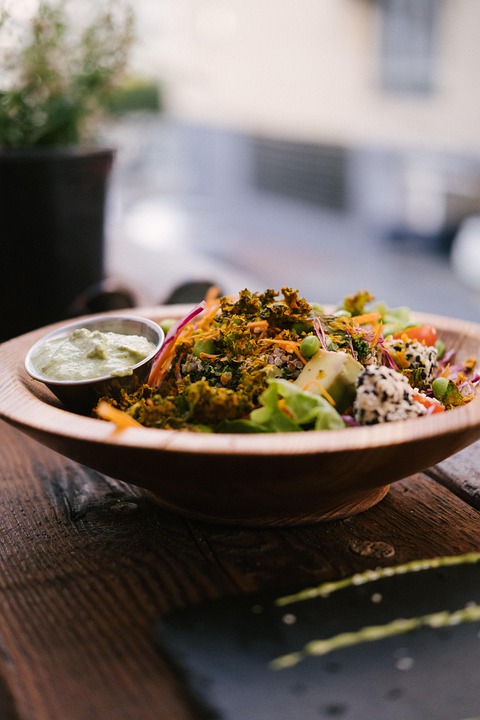
Transform a basic bowl of quinoa, brown rice, or leafy greens into a satisfying meal by adding roasted sweet potato chunks. Their natural richness pairs wonderfully with crunchy pumpkin seeds, black beans, avocado slices, and a tangy tahini dressing.
Wholesome Breakfast Transformations
For a morning meal that breaks away from routine, slice a sweet potato lengthwise, toast it in a standard toaster until tender, and top it with almond butter, sliced bananas, and a dash of cinnamon. Alternatively, dice and sauté them alongside onions, bell peppers, and eggs for a hearty savory hash.
Frequently Asked Questions
Can I eat the skin of a sweet potato?
Yes, the skin of a sweet potato is entirely edible and packed with extra dietary fiber and nutrients. Simply scrub the exterior thoroughly under running water to remove any lingering dirt before cooking. If you prefer a smoother texture for specific dishes like purées, you can easily peel them beforehand.
Why do my sweet potatoes turn green or sprout?
Sprouting and greenish discoloration typically happen when sweet potatoes are exposed to too much light, moisture, or warmth during storage. While minor sprouts can be trimmed off before cooking if the potato is still firm, heavily sprouted, shriveled, or soft sweet potatoes should be discarded.
Are sweet potatoes lower in calories than regular white potatoes?
Calorically, sweet potatoes and white potatoes are relatively comparable, though sweet potatoes generally contain slightly more natural sugars and dietary fiber, whereas white potatoes often provide higher amounts of potassium. Both varieties can fit comfortably into a balanced, health-conscious eating pattern.
Can I freeze cooked sweet potatoes for later use?
Absolutely. Cooked sweet potatoes—whether baked whole, sliced, or mashed—freeze remarkably well. Allow them to cool completely, transfer them to airtight freezer-safe containers or bags, and store them for up to three months. This is a great time-saving strategy for future meal preparation.
Do sweet potatoes raise blood sugar levels quickly?
Sweet potatoes are considered a complex carbohydrate with a moderate glycemic index, especially when boiled or roasted whole rather than blended into a smooth mash. Because they are rich in fiber, they digest more slowly than refined carbohydrates, helping to support more gradual energy release.
How can I make sweet potato fries crispy without deep frying?
To achieve crispiness in the oven, cut your sweet potatoes into uniform matchsticks and soak them in cold water for 30 minutes to remove excess surface starch. Pat them completely dry with a clean towel, toss with a high-heat cooking oil and cornstarch, and spread them out loosely on a preheated baking sheet so they do not touch.