

September 24, 2026

The Daily Struggle: What It’s Really Like Living with a Sensitive Stomach

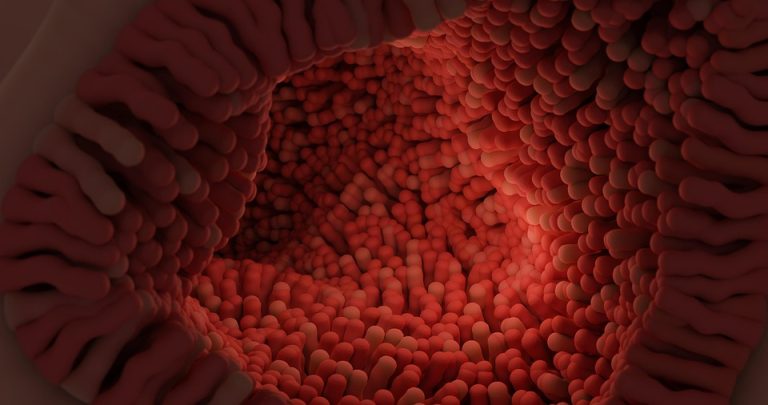
Galactose is a simple sugar that forms part of a larger compound called lactose, the primary carbohydrate found in milk and dairy products. While most people process galactose effortlessly as part of a varied diet, some individuals encounter digestive hurdles or metabolic challenges when trying to break it down. Understanding how galactose functions in the human body can help clarify why certain foods cause discomfort and how to make informed nutritional choices without sacrificing dietary enjoyment. For The Health Care readers seeking clarity on digestive wellness, this guide explores the science of galactose processing, the distinction between metabolic conditions and everyday digestive sensitivities, and practical ways to manage your plate with confidence. What is Galactose and How Does the Body Process It? To understand galactose, it helps to look at basic food chemistry. Galactose rarely floats around freely in nature in large amounts. Instead, it is most commonly bound to glucose to create lactose, the sugar naturally present in cow, goat, and sheep milk. When you consume dairy products, digestive enzymes in your small intestine—specifically an enzyme called lactase—split lactose into its two constituent parts: glucose and galactose. Once separated: Glucose is readily absorbed and used by cells throughout the body for immediate energy. Galactose travels to the liver, where specialized enzymes convert it into glucose so it can also be utilized for cellular fuel or stored for later energy needs. When this multi-step enzymatic conversion hits a snag—either due to a temporary digestive enzyme shortage or a rare genetic …

sensitive stomach
September 24, 2026

Spit, Click, Discover: Are At-Home DNA Tests Worth the Hype?

When you look in the mirror, you see the obvious results of your biological blueprint: eye color, hair texture, and height. But beneath the surface, your genetic code is constantly working behind the scenes, influencing everything from how quickly your body metabolizes your morning coffee to how your cells respond to stress and exercise. For a long time, genetics felt like a mysterious, distant subject confined to high school biology textbooks and high-tech research laboratories. Today, however, understanding the basics of human genetics has become an empowering tool for personal wellness. By looking at how DNA shapes our everyday health, we can make more informed choices about our lifestyle, nutrition, and preventive medical care. Let’s pull back the curtain on the human genome and explore how your inherited traits interact with your daily habits to shape your overall well-being. What Is DNA, Really? (And Why It Matters to Your Health) To understand genetics, we have to start at the foundational building block of life: DNA (deoxyribonucleic acid). Think of your DNA as an immensely detailed, multi-volume instruction manual. This manual is stored inside almost every single cell in your body. Every human has a genome made up of roughly 3 billion base pairs. While 99.9% of that DNA is identical across all human beings—making us all members of the same species—that remaining 0.1% accounts for all the incredible diversity we see in the human population, including our individual susceptibility to certain health conditions. The Anatomy of the Blueprint Within your …

genetic testing
September 24, 2026

The Before You Need the Doctor Guide to Staying Well

Have you ever experienced the frustrating phenomenon of being bone-tired all day, only to find your mind racing the exact second your head hits the pillow? You replay awkward conversations from three years ago, plan tomorrow’s grocery list, and suddenly wonder if koalas have fingerprints. Physical exhaustion does not automatically equal mental sleepiness. In our hyper-connected, high-stress modern lives, the transition from daytime productivity to nighttime recovery is a psychological bridge that many of us forget how to cross. At The Health Care, we believe true wellness starts with understanding your body’s internal signals. Shifting into deep, restorative sleep requires more than just turning off the lights—it requires an intentional evening wind-down routine that trains your brain to let go of the day. Why Your Brain Refuses to Switch Off at Night To understand how to wind down, you first need to understand what is happening inside your nervous system. Throughout the day, your sympathetic nervous system—responsible for the "fight-or-flight" response—dominates. It helps you meet deadlines, answer emails, and navigate traffic. The problem? Many of us stay stuck in this high-alert state long after the workday ends. Scrolling through news feeds, watching intense television shows, or ruminating on unfinished tasks keeps cortisol (the stress hormone) elevated. When bedtime arrives, your brain doesn't recognize the transition. It still thinks you are hunting for resources or defending your territory. To invite sleep, you must manually trigger the parasympathetic nervous system—the "rest-and-digest" mode. Designing a Psychological Runway for Sleep Think of your evening …

preventive health
Nutrition & Healthy Eating

Practical insights, expert guidance, and simple tips to help you make healthier food choices.

The Health Care
rusted Health Information for a Healthier Life

Welcome to The Health Care, an online health and medical information platform created to make healthcare knowledge easier to understand and access.

The Health Care

Better Health Starts With Better Information

From understanding symptoms to learning about prevention and healthy living, The Health Care provides accessible medical information to help you become more informed about your health.

Everyday advice & health tips

Find useful insights, practical ideas, and easy-to-follow tips to build healthier habits into your daily routine.

home
Discover Better Ways to Live
Healthy habits and wellness insights

Explore practical guidance, expert-backed insights, and everyday inspiration to support a healthier, more balanced life.

healthy habits
Rated 5 out of 5
How to Break Bad Habits and Replace Them with Good Ones

In today’s fast-paced world, the pursuit of wellness often feels like chasing a moving target. Everywhere we look, we are bombarded with conflicting advice: drink a gallon of water, eliminate entire food groups, wake up at 5:00 AM, or try the latest high-intensity fitness trend. It is easy to feel overwhelmed, leading many of us to abandon our wellness goals before they even truly begin. At The Health Care, we believe true wellness does not come from extreme overhauls or overnight transformations. Instead, it is built through the quiet, consistent power of healthy habits. Understanding how to form and maintain these routines is the cornerstone of long-term vitality. Rather than striving for perfection, sustainable health is about making small, incremental changes that seamlessly integrate into your daily life. Let’s explore the science of habit formation and practical ways to cultivate a healthier lifestyle without the burnout. The Psychology of Habit Formation To build lasting healthy habits, we first need to understand how the human brain creates routines. According to psychological research, habits are formed through a neurological loop consisting of three parts: a cue, a routine, and a reward. The Cue: A trigger that initiates the behavior (e.g., your alarm clock ringing). The Routine: The actual behavior or action you perform (e.g., lacing up your running shoes). The Reward: The positive reinforcement your brain receives, which solidifies the habit (e.g., the endorphin boost or a sense of accomplishment). When you try to change too many things at once, you overload …

wellness
Rated 5 out of 5
The Wellness Trends Worth Your Time (And the Ones to Skip)

In today’s fast-paced world, the pursuit of health often feels like a full-time job. Between managing career demands, family responsibilities, and the endless stream of digital notifications, it is easy to feel overwhelmed. Many of us wait until we are completely burnt out before paying attention to our personal well-being. However, true wellness is not about drastic lifestyle overhauls or achieving perfection. Instead, it is a continuous, dynamic journey of making small, intentional choices that support your mind, body, and spirit. Welcome to The Health Care. In this guide, we will explore what wellness truly means in the modern era, break down its core pillars, and provide practical, evidence-based strategies to help you cultivate a more balanced, fulfilling life. What is Wellness? Before diving into daily habits, it helps to define the term itself. Many people use the words "health" and "wellness" interchangeably, but there is a distinct difference. Health is generally viewed as a state of being—the absence of disease or illness. Wellness, on the other hand, is an active process of becoming aware of and making choices toward a healthy and fulfilling existence. According to the World Health Organization (WHO), health is "a state of complete physical, mental, and social well-being and not merely the absence of disease or infirmity." Therefore, pursuing wellness means looking at the big picture. It acknowledges that physical fitness is only one piece of the puzzle. Emotional stability, mental clarity, social connection, and environmental harmony all play vital roles in how you feel …

healthy habits
Rated 5 out of 5
The Busy Person’s Playbook for Eating Well and Moving More

In today’s fast-paced world, achieving optimal health can often feel like a complicated puzzle. Everywhere you look, there is a new trend, a restrictive diet, or an intense workout program promising overnight transformations. But true wellness is rarely built on extreme measures. Instead, sustainable well-being is the quiet result of daily choices—the small, consistent actions we take day after day. Welcome to The Health Care, your trusted resource for evidence-based wellness guidance. In this article, we explore the science of building healthy habits that stick. Rather than overhauling your entire lifestyle at once, we will look at how manageable, incremental changes can lead to profound, long-term improvements in your physical and mental health. What Are Healthy Habits, and Why Do They Matter? At its core, a habit is a routine behavior that is repeated regularly and tends to occur subconsciously. Healthy habits are specific behaviors that positively impact your physical, mental, and emotional health. When you rely solely on motivation to eat better, move more, or sleep soundly, you will eventually struggle. Motivation fluctuates based on stress, sleep, and mood. Habits, however, run on autopilot. Once a behavior becomes automatic, it requires far less mental energy to execute. Research in behavioral psychology shows that building routines gradually helps rewire the brain's neural pathways, making positive choices feel natural rather than forced. By focusing on sustainable healthy habits, you lay a strong foundation for lifelong vitality. Pillar 1: Nourishing Your Body Mindfully Nutrition is often the first area people try to …

Newsletter Signup

Be the first to get our latest tips