

Galactose is a simple sugar that forms part of a larger compound called lactose, the primary carbohydrate found in milk and dairy products. While most people process galactose effortlessly as part of a varied diet, some individuals encounter digestive hurdles or metabolic challenges when trying to break it down. Understanding how galactose functions in the human body can help clarify why certain foods cause discomfort and how to make informed nutritional choices without sacrificing dietary enjoyment. For The Health Care readers seeking clarity on digestive wellness, this guide explores the science of galactose processing, the distinction between metabolic conditions and everyday digestive sensitivities, and practical ways to manage your plate with confidence. What is Galactose and How Does the Body Process It? To understand galactose, it helps to look at basic food chemistry. Galactose rarely floats around freely in nature in large amounts. Instead, it is most commonly bound to glucose to create lactose, the sugar naturally present in cow, goat, and sheep milk. When you consume dairy products, digestive enzymes in your small intestine—specifically an enzyme called lactase—split lactose into its two constituent parts: glucose and galactose. Once separated: Glucose is readily absorbed and used by cells throughout the body for immediate energy. Galactose travels to the liver, where specialized enzymes convert it into glucose so it can also be utilized for cellular fuel or stored for later energy needs. When this multi-step enzymatic conversion hits a snag—either due to a temporary digestive enzyme shortage or a rare genetic …
Galactose is a simple sugar that forms part of a larger compound called lactose, the primary carbohydrate found in milk and dairy products. While most people process galactose effortlessly as part of a varied diet, some individuals encounter digestive hurdles or metabolic challenges when trying to break it down. Understanding how galactose functions in the human body can help clarify why certain foods cause discomfort and how to make informed nutritional choices without sacrificing dietary enjoyment.
For The Health Care readers seeking clarity on digestive wellness, this guide explores the science of galactose processing, the distinction between metabolic conditions and everyday digestive sensitivities, and practical ways to manage your plate with confidence.
What is Galactose and How Does the Body Process It?
To understand galactose, it helps to look at basic food chemistry. Galactose rarely floats around freely in nature in large amounts. Instead, it is most commonly bound to glucose to create lactose, the sugar naturally present in cow, goat, and sheep milk.
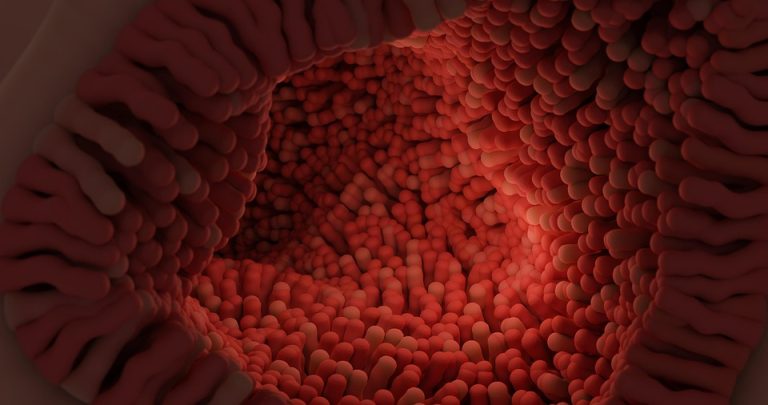
When you consume dairy products, digestive enzymes in your small intestine—specifically an enzyme called lactase—split lactose into its two constituent parts: glucose and galactose.
Once separated:
- Glucose is readily absorbed and used by cells throughout the body for immediate energy.
- Galactose travels to the liver, where specialized enzymes convert it into glucose so it can also be utilized for cellular fuel or stored for later energy needs.
When this multi-step enzymatic conversion hits a snag—either due to a temporary digestive enzyme shortage or a rare genetic metabolic variation—galactose processing becomes less efficient.
Recognizing the Signs of Digestive Distress After Dairy
When dairy products or galactose-rich foods do not agree with your digestive system, your body often sends physical signals. However, it is important to remember that similar gastrointestinal symptoms can stem from many different sources, ranging from stress to fiber intake or other dietary components.
Commonly reported signs that follow a meal containing lactose or galactose include:
- Abdominal bloating: A feeling of tightness or fullness in the midsection.
- Excess gas: Increased flatulence resulting from unabsorbed sugars fermenting in the large intestine.
- Cramping or mild discomfort: A dull ache or spasming in the lower abdomen.
- Changes in bowel patterns: Ranging from loose stools to urgent bathroom trips.
If you notice these patterns recurring consistently after consuming specific foods, it is wise to look closer at your dietary habits rather than jumping to conclusions. Not every stomach rumble points to a permanent sugar intolerance; sometimes, portion sizes, eating speed, or concurrent ingredients play a major role.
Galactose Intolerance vs. Classic Lactose Intolerance
It is easy to confuse galactose-related issues with more common dairy sensitivities, but they are technically distinct biological processes.
Lactose Intolerance
This is the most frequent reason people experience discomfort after consuming dairy. It occurs when the small intestine produces insufficient amounts of the lactase enzyme. Because the lactose molecule cannot be split efficiently, it passes into the colon unabsorbed, where resident gut bacteria ferment it, producing gas and drawing water into the bowel.
Galactose Processing Difficulties
Issues specifically involving galactose can take two very different forms:
- Dietary Digestive Friction: Often overlapping with lactose intolerance, where the downstream processing of dairy sugars leads to gastrointestinal unease.
- Classic Galactosemia: A rare, inherited metabolic disorder diagnosed in infancy. In this condition, babies lack the specific liver enzyme required to transform galactose into glucose. Unlike a mild adult food sensitivity, galactosemia requires strict, lifelong medical management from birth, as unmetabolized galactose builds up and can cause serious medical complications.
For the average adult reader, experiencing discomfort after eating dairy is far more likely to relate to standard lactose malabsorption or general digestive sensitivity than a rare metabolic enzyme deficiency.
Practical Strategies for Managing Galactose and Dairy in Your Diet
If you suspect that dairy-rich foods contribute to your daily digestive friction, managing your intake does not require throwing out your entire kitchen pantry. A balanced, thoughtful approach to meal planning can keep your digestive tract calm while ensuring you still enjoy flavorful, nutrient-dense meals.
1. Tune Into Your Personal Thresholds
Everyone’s digestive system has a different capacity for handling various sugars. A splash of milk in your morning coffee might cause zero issues, whereas a large bowl of ice cream might trigger noticeable bloating. Pay attention to portion sizes before eliminating entire food groups.
2. Explore Naturally Low-Lactose Dairy Options
Because galactose is primarily delivered via lactose, choosing foods where lactose has been broken down or naturally reduced can make a significant difference:
- Aged cheeses: Varieties like sharp cheddar, parmesan, and swiss undergo a fermentation and aging process that significantly reduces their lactose content.
- Lactose-free dairy products: Real dairy milk and yogurt treated with supplemental lactase enzyme provide the taste and nutritional profile of conventional dairy without the digestive aftermath.
- Fermented dairy: Traditional yogurts and kefirs contain live bacterial cultures that help break down dairy sugars during digestion.
3. Maintain Nutritional Balance
Dairy products are often valued for their calcium, protein, and vitamin D content. If you choose to reduce your dairy intake, ensure your meals incorporate alternative nutrient sources:
- Calcium-rich plant foods: Fortified plant-based beverages, dark leafy greens (like kale and bok choy), almonds, and sesame seeds.
- Protein variety: Lean poultry, eggs, legumes, and tofu.
When to Consult a Healthcare Professional
Occasional digestive bloating or gas is a normal part of human digestion. However, if your symptoms are persistent, severe, or interfere with your daily routine, it is essential to seek guidance from a qualified healthcare professional or a registered dietitian.
A medical evaluation helps rule out other underlying gastrointestinal conditions—such as celiac disease, inflammatory bowel disease, or irritable bowel syndrome (IBS)—that can mimic the signs of food intolerance. Avoid undertaking prolonged, highly restrictive elimination diets on your own, as cutting out major food groups without professional oversight can lead to nutritional deficiencies.
Frequently Asked Questions
Can I develop a galactose sensitivity later in adulthood?
While the rare genetic form of galactose intolerance is present from birth, adults can experience shifts in their digestive efficiency over time. Natural declines in digestive enzyme production are common as people age, which can make dairy products that were once easily tolerated feel heavier or cause more gas later in life.
Are plant-based milks completely free of galactose?
Yes. Plant-based beverages derived from almonds, oats, soy, rice, or coconut do not contain lactose or galactose, as these sugars are exclusive to mammalian milk. However, always check product labels, as manufacturers sometimes add thickeners, stabilizers, or added sugars that may affect individual digestion.
Is it necessary to eliminate all dairy if I have mild digestive discomfort?
Usually, no. Many people with mild dairy sensitivities discover they can comfortably consume butter, small amounts of cream, or hard cheeses without experiencing adverse symptoms. Finding your personal tolerance level is often more sustainable than total restriction.
Does cooking or baking change how the body handles dairy sugars?
Cooking does not alter the fundamental chemical structure of lactose or galactose. However, foods that combine dairy with fats and complex carbohydrates—such as baked goods—may slow down overall stomach emptying, which can sometimes alter the timing and intensity of digestive symptoms for sensitive individuals.
How can a food and symptom diary help me identify triggers?
A food diary involves writing down everything you eat and drink alongside any physical symptoms you experience, noting the exact timing and severity. Over a few weeks, this record can help you and a healthcare professional spot genuine patterns rather than relying on guesswork.
SEO Meta Description
Explore how the body processes galactose, learn the differences between lactose and galactose issues, and discover practical, balanced tips for dairy digestion.