


Certain foods that are widely considered pillars of healthy eating can sometimes cause unexpected digestive discomfort. When fresh fruits, honey-glazed dishes, or sweetened beverages lead to persistent bloating, abdominal cramping, or irregular bowel habits, the underlying cause might not be a general lifestyle issue, but a specific digestive quirk known as fructose malabsorption. Unlike traditional food allergies that trigger immune system responses, or celiac disease which involves a specific autoimmune reaction to gluten, fructose malabsorption is a metabolic handling issue within the small intestine. Understanding how the digestive tract processes simple sugars can help bring clarity to recurring discomfort and guide you toward balanced, symptom-conscious eating habits without unnecessarily stripping variety from your daily meals. What is Fructose Malabsorption? Fructose is a simple sugar, or monosaccharide, naturally found in many fruits, root vegetables, honey, and high-fructose corn syrup. In a typical digestive system, fructose is absorbed efficiently across the lining of the small intestine by specific transport proteins (primarily GLUT5 and GLUT2). When these transport mechanisms have limited capacity or work less efficiently, unabsorbed fructose continues its journey further down the digestive tract into the large intestine. Once there, resident gut bacteria ferment the leftover sugar. This natural fermentation process produces gases—such as hydrogen and methane—alongside drawing additional water into the bowel. The resulting gas production and fluid shifts are what generate the familiar sensations of bloating, distension, and changes in stool consistency. It is helpful to distinguish this condition from hereditary fructose intolerance, which is a rare, serious genetic …
Certain foods that are widely considered pillars of healthy eating can sometimes cause unexpected digestive discomfort. When fresh fruits, honey-glazed dishes, or sweetened beverages lead to persistent bloating, abdominal cramping, or irregular bowel habits, the underlying cause might not be a general lifestyle issue, but a specific digestive quirk known as fructose malabsorption.
Unlike traditional food allergies that trigger immune system responses, or celiac disease which involves a specific autoimmune reaction to gluten, fructose malabsorption is a metabolic handling issue within the small intestine. Understanding how the digestive tract processes simple sugars can help bring clarity to recurring discomfort and guide you toward balanced, symptom-conscious eating habits without unnecessarily stripping variety from your daily meals.
What is Fructose Malabsorption?
Fructose is a simple sugar, or monosaccharide, naturally found in many fruits, root vegetables, honey, and high-fructose corn syrup. In a typical digestive system, fructose is absorbed efficiently across the lining of the small intestine by specific transport proteins (primarily GLUT5 and GLUT2).
When these transport mechanisms have limited capacity or work less efficiently, unabsorbed fructose continues its journey further down the digestive tract into the large intestine. Once there, resident gut bacteria ferment the leftover sugar. This natural fermentation process produces gases—such as hydrogen and methane—alongside drawing additional water into the bowel. The resulting gas production and fluid shifts are what generate the familiar sensations of bloating, distension, and changes in stool consistency.
It is helpful to distinguish this condition from hereditary fructose intolerance, which is a rare, serious genetic metabolic disorder diagnosed in infancy. Fructose malabsorption, by contrast, is a functional digestive limitation that varies significantly from person to person.
Recognizing Common Physical Responses
The bodily signals associated with fructose malabsorption can overlap heavily with other gastrointestinal considerations, such as irritable bowel syndrome (IBS) or general fiber sensitivity. Because these signals are non-specific, they do not automatically point to a single cause. Commonly reported experiences include:
- Abdominal Bloating and Distension: A frequent feeling of fullness or tightness in the belly, often worsening as the day progresses.
- Excess Gas and Flatulence: Resulting directly from the bacterial fermentation of unabsorbed sugars in the colon.
- Cramping or Abdominal Discomfort: Mild to moderate intermittent discomfort caused by pressure within the intestinal walls.
- Alternating Bowel Habits: Episodes of loose stools or urgency, sometimes contrasted with normal or slower transit times, depending on individual volume and concentration.
Because similar symptoms can stem from stress, rapid eating, other dietary components (like lactose or polyols), or underlying medical conditions, it is important not to assume that fruit or sweet foods are automatically the culprit without careful observation.
Common Dietary Sources of Fructose
Fructose is present in many wholesome, nutritious foods. Rather than eliminating whole food groups, recognizing the relative amounts and ratios of fructose can help maintain a varied diet.
Fruits and Vegetables
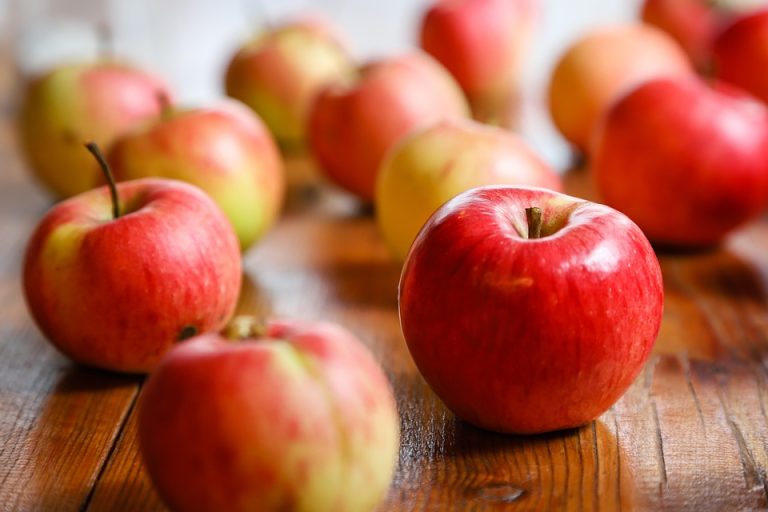
- Higher Fructose Content: Apples, pears, cherries, mangoes, watermelon, and dried fruits like raisins and figs. Asparagus, sugar snap peas, and artichokes also contain notable amounts of fructose or related short-chain carbohydrates.
- Lower Fructose Content (Balanced Ratio): Bananas, blueberries, strawberries, raspberries, oranges, and cantaloupe often tend to be better tolerated in standard portions. Spinach, zucchini, carrots, and green beans generally contain much lower levels of free fructose.
Sweeteners and Packaged Foods
- Agave Nectar: Exceptionally high in free fructose compared to glucose.
- Honey: Contains roughly equal parts fructose and glucose, but the excess free fructose can still provoke symptoms in sensitive individuals.
- High-Fructose Corn Syrup (HFCS): Commonly found in commercially prepared beverages, baked goods, and condiments, featuring a high ratio of unbound fructose.
Note: The presence of glucose alongside fructose can actually assist absorption. Foods where glucose and fructose exist in roughly equal amounts (a 1:1 ratio) are frequently tolerated better than foods where free fructose far outweighs glucose.
Practical Strategies for Dietary Exploration
If you suspect that certain sweet or fruity foods contribute to your digestive patterns, a structured, cautious approach is far more effective than abrupt or extreme dietary restriction.
1. Keep a Detailed Food and Symptom Diary
For two to three weeks, record everything you eat and drink alongside any digestive symptoms, their timing, and their intensity. Note portion sizes, as a small amount of an apple might cause no reaction at all, whereas a large glass of apple juice could trigger noticeable discomfort.
2. Focus on Portion Control Over Elimination
Before cutting out entire categories of food, experiment with smaller serving sizes. Spacing out fruit intake throughout the day rather than eating large quantities in a single sitting can prevent overwhelming the small intestine’s transport capacity.
3. Evaluate the Role of Liquid Fructose
Liquids move through the digestive tract differently than solid foods. Concentrated fruit juices, sodas, and sweetened teas deliver a high load of free fructose rapidly to the small intestine, often making them more prone to triggering symptoms than whole fruits, which contain beneficial fiber and water.
4. Consult a Professional Before Major Changes
If symptoms persist or significantly disrupt your quality of life, partner with a qualified healthcare professional or a registered dietitian. Navigating structured dietary adjustments—such as a short-term low-FODMAP approach—requires expert guidance to ensure you maintain adequate fiber, vitamin intake, and overall nutritional balance.
Supporting General Digestive Wellness
Managing a sensitivity like fructose malabsorption is just one piece of a broader picture centered on digestive comfort and mindful eating habits. Supporting your gut does not require rigid dietary perfection; instead, it thrives on consistency and balance:
- Hydration: Drink adequate water throughout the day to support smooth and regular bowel motility.
- Mindful Eating: Chew food thoroughly and eat at a relaxed pace to minimize the amount of air swallowed during meals, which can compound bloating.
- Nutritional Variety: If you reduce certain fruits, incorporate a wide array of well-tolerated vegetables, whole grains, and alternative produce options to keep your microbiome diverse and resilient.
Conclusion
Experiencing unexpected digestive upset after enjoying a piece of fruit or a sweetened beverage can be frustrating. However, understanding the mechanics of fructose malabsorption provides a clear, actionable framework for addressing those symptoms. By focusing on portion awareness, identifying specific trigger patterns, and maintaining a balanced, nutritious diet, you can support your digestive comfort without giving up the joy of eating wholesome foods. Always consult a healthcare professional for persistent or severe symptoms to rule out other medical conditions and ensure personalized, safe guidance.
Frequently Asked Questions
Can fructose malabsorption improve over time?
Yes, tolerance levels can fluctuate. Many individuals find that after a temporary period of reduced intake guided by a professional, they can gradually reintroduce small, manageable portions of their favorite fruits without experiencing discomfort.
Is fructose malabsorption the same thing as a fruit allergy?
No. An allergy involves an immune system reaction, which can involve hives, itching, or respiratory issues. Fructose malabsorption is a non-allergic digestive processing limitation localized to the gastrointestinal tract, primarily resulting in fermentation-related gas and bloating.
Why do some fruits bother me while others do not?
The ratio of fructose to glucose makes a significant difference. Fruits that contain equal amounts of glucose and fructose are typically easier for the small intestine to absorb than fruits that contain a high proportion of “free” or excess fructose.
Do I need to avoid vegetables completely?
Not at all. While a few vegetables contain higher amounts of fructose or related fructans, most vegetables are well-tolerated and form an essential part of a balanced, health-promoting diet. Complete elimination is rarely necessary or recommended.
How can a food diary help me identify my triggers?
A food diary helps bridge the gap between eating and symptom onset. By tracking quantities, ingredient lists, and specific times, you and your healthcare provider can spot recurring trends that random guesswork simply cannot reveal.
SEO Meta Description: Learn about fructose malabsorption, common food triggers, recognizing symptoms, and practical strategies for managing fruit and sweetener sensitivities safely.