


Meta Description: Discover expert tips on picking, purchasing, and storing fresh fruits and vegetables to preserve essential vitamins, minerals, and everyday nutritional value. When you bring home a vibrant bag of greens or a basket of sun-ripened berries, your primary goal is likely getting the best flavor and highest nutrient retention possible. Yet, the journey from farm fields to grocery shelves, and finally to your kitchen counter, plays a massive role in determining how many vitamins and antioxidants remain on your plate. Maximizing your dietary intake starts long before you turn on the stove. By understanding the nuances of food selection, seasonal purchasing, and optimal preservation, you can ensure that every meal delivers peak nutritional support for your daily wellness routine. Decoding the Produce Aisle: What to Look For Navigating the supermarket vegetable section requires a keen eye for quality indicators. While aesthetic perfection isn't always necessary for good health, certain physical traits signal peak ripeness and optimal micronutrient density. Evaluating Color and Texture Root Vegetables: Look for firm, heavy roots like carrots and beets without soft spots or sprouting shoots. Softness often indicates moisture loss and a reduction in crisp freshness. Leafy Greens: Deep, vibrant greens—such as Swiss chard, spinach, and kale—generally indicate a richer concentration of carotenoids and chlorophyll. Avoid leaves with yellowing edges or slimy textures. Cruciferous Vegetables: Broccoli and cauliflower heads should be tightly closed and free of dark blemishes. Loose, blooming florets suggest the vegetable is past its prime and may have lost some of …
Meta Description: Discover expert tips on picking, purchasing, and storing fresh fruits and vegetables to preserve essential vitamins, minerals, and everyday nutritional value.
When you bring home a vibrant bag of greens or a basket of sun-ripened berries, your primary goal is likely getting the best flavor and highest nutrient retention possible. Yet, the journey from farm fields to grocery shelves, and finally to your kitchen counter, plays a massive role in determining how many vitamins and antioxidants remain on your plate.
Maximizing your dietary intake starts long before you turn on the stove. By understanding the nuances of food selection, seasonal purchasing, and optimal preservation, you can ensure that every meal delivers peak nutritional support for your daily wellness routine.
Decoding the Produce Aisle: What to Look For
Navigating the supermarket vegetable section requires a keen eye for quality indicators. While aesthetic perfection isn’t always necessary for good health, certain physical traits signal peak ripeness and optimal micronutrient density.
Evaluating Color and Texture
- Root Vegetables: Look for firm, heavy roots like carrots and beets without soft spots or sprouting shoots. Softness often indicates moisture loss and a reduction in crisp freshness.
- Leafy Greens: Deep, vibrant greens—such as Swiss chard, spinach, and kale—generally indicate a richer concentration of carotenoids and chlorophyll. Avoid leaves with yellowing edges or slimy textures.
- Cruciferous Vegetables: Broccoli and cauliflower heads should be tightly closed and free of dark blemishes. Loose, blooming florets suggest the vegetable is past its prime and may have lost some of its delicate water-soluble vitamins.
The Role of Peak Seasons
Selecting items harvested during their natural growing season is one of the easiest ways to enjoy superior flavor profiles and robust nutrient profiles. Produce allowed to ripen naturally on the vine or plant under optimal sunlight develops higher levels of beneficial plant compounds compared to varieties forced to ripen prematurely during long transit routes.
The Chemistry of Preservation: Protecting Delicate Nutrients
Once you secure your groceries, the clock starts ticking on vitamin retention. Certain nutrients, particularly vitamin C and the B-vitamin complex, are notoriously sensitive to light, heat, and air exposure.
Minimizing Oxidation Losses
The moment a fruit or vegetable is harvested, sliced, or bruised, enzymes are released that begin breaking down its cellular structure. To protect these vulnerable components:
- Delay washing until right before consumption to prevent excess moisture from encouraging microbial growth.
- Store whole fruits and vegetables intact whenever possible; cutting them accelerates vitamin degradation.
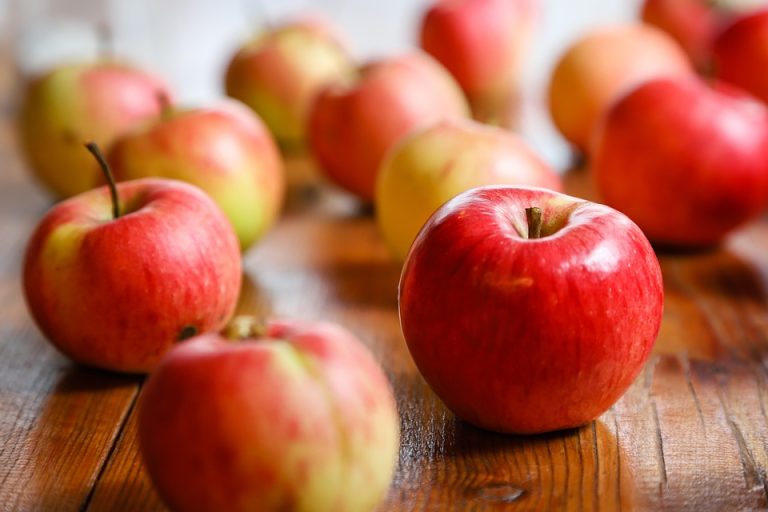
- Keep ethylene-producing items (such as apples and bananas) separate from sensitive greens to prevent premature over-ripening and spoilage.
Temperature Control and Humidity Zones
Modern refrigerators are engineered with specialized compartments for a reason. Utilizing these zones correctly maintains the moisture balance needed to keep produce crisp:
- Crisper Drawers: Use high-humidity drawers for leafy greens, herbs, and moisture-loving vegetables.
- Low-Humidity Bins: Reserve these for items prone to rotting in damp environments, such as hard squashes, onions, and certain citrus fruits.
Smart Kitchen Habits: Reducing Waste and Enhancing Meals
Transforming raw ingredients into wholesome daily meals involves more than just cooking techniques—it requires mindful pantry and refrigerator management.
First-In, First-Out Rotation
Adopt a systematic approach to your home inventory. Place newly purchased grocery items behind older ones in your refrigerator or pantry. This simple habit encourages you to consume older items before their nutrient quality and textures diminish.
Freezing as a Nutritional Preservation Tool
If you find yourself with an abundance of seasonal produce that you cannot consume immediately, freezing is an excellent way to lock in nutrients. Flash-freezing or briefly blanching vegetables like green beans, peas, and bell peppers deactivates the enzymes responsible for spoilage, preserving their mineral content and vibrant colors for future soups, stews, and grain bowls.
Frequently Asked Questions
Does frozen produce contain fewer nutrients than fresh options?
Not necessarily. Frozen fruits and vegetables are typically harvested at peak ripeness and flash-frozen within hours, which locks in their vitamin content. In contrast, fresh produce that spends days or weeks in transit may experience a gradual decline in certain heat- and light-sensitive vitamins before it even reaches your kitchen.
Is it necessary to buy organic produce to get adequate nutrition?
From a macronutrient and micronutrient perspective, conventionally and organically grown produce offer comparable nutritional benefits. Choosing organic is often a personal preference regarding agricultural practices rather than a strict requirement for meeting your daily nutritional goals.
How should delicate fresh herbs be stored to prevent wilting?
Treat fresh herbs like cut flowers. Trim the very bottom of the stems, place them upright in a small glass with an inch of water, and cover them loosely with a plastic bag before storing them in the refrigerator. Alternatively, wrap them gently in a slightly damp paper towel inside an airtight container.
Why do some fruits release gases while sitting on the counter?
Certain fruits—including bananas, tomatoes, avocados, and peaches—produce a natural plant hormone called ethylene. This gas acts as a ripening agent. Keeping ethylene producers away from leafy greens and berries helps prevent those sensitive items from spoiling prematurely.
Does washing produce with soap remove more bacteria?
Using dish soap or commercial detergents on fruits and vegetables is unnecessary and potentially unsafe, as porous produce can absorb chemical residues from soap. Thorough rinsing under clean, running tap water while gently rubbing the surface with your hands is sufficient for safe everyday preparation.
Disclaimer: Nutritional needs vary greatly from person to person depending on age, activity level, health status, and personal dietary goals. Readers with specific medical conditions, food allergies, or unique nutritional requirements should consult a qualified healthcare professional or registered dietitian for personalized guidance.